Kathmandu: Nepal's rural development landscape is undergoing a gradual transformation, with growing investments in renewable energy, community-led natural resource management, agroforestry, and sustainable tourism. While these initiatives are improving livelihoods and strengthening local resilience, experts caution that mounting environmental pressures, climate change, and socioeconomic challenges continue to threaten the long-term sustainability of rural communities.
In recent years, the expansion of renewable energy technologies, including biogas plants and off-grid micro-hydropower systems, has helped reduce dependence on traditional firewood, easing pressure on forests and improving access to clean energy in remote settlements. Community-Based Organizations (CBOs) have also played a pivotal role in managing forests and water resources, promoting local entrepreneurship, enhancing gender inclusion, and encouraging sustainable resource stewardship.
The agricultural sector is witnessing a gradual shift from subsistence farming toward commercial agroforestry, enabling rural households to diversify incomes while improving food security. At the same time, community homestays and nature-based tourism initiatives are creating alternative livelihood opportunities by showcasing Nepal's rich cultural heritage and natural landscapes.
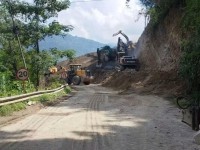
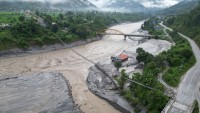
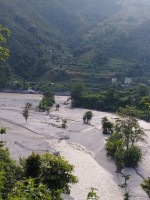
Despite these positive developments, rural Nepal continues to face significant challenges. Poorly planned rural road construction has increased the risks of soil erosion, landslides, and flooding in many hilly regions. Meanwhile, large-scale youth migration to urban areas and overseas employment has led to labor shortages and the abandonment of productive agricultural land, undermining local food production and rural economies.
Communities also remain highly dependent on natural resources, making them increasingly vulnerable to the impacts of climate change, including prolonged droughts, erratic rainfall, and extreme monsoon events. Weak institutional capacity, inadequate technical support, and limited financial resources continue to constrain the effectiveness of rural cooperatives and local development initiatives.
Development experts emphasize that Nepal's rural future depends on integrating environmental sustainability into every stage of development planning. Expanding climate-smart agriculture, including agroecological farming practices and drip micro-irrigation systems, can enhance agricultural productivity while improving water efficiency. Likewise, strict enforcement of Environmental Impact Assessments (EIAs) for rural roads, hydropower projects, and other infrastructure is essential to minimize ecological damage.
Strengthening community institutions through sustained government investment, technical capacity building, and decentralized governance will be equally important. Experts also advocate for promoting ecotourism and circular economy initiatives that generate local employment while ensuring tourism activities remain within environmental and cultural carrying capacities.
As Nepal advances its rural development agenda, balancing economic progress with ecological conservation will be critical to building resilient communities capable of adapting to future climate and development challenges. A greener, community-driven, and climate-resilient development model is increasingly seen as the pathway toward sustainable prosperity across the country's rural landscape.
#EcosphereNews #RuralDevelopment #Nepal #ClimateSmartAgriculture #GreenEconomy #SustainableDevelopment #CommunityForestry #Agroforestry #RenewableEnergy #Ecotourism #ClimateResilience #LocalGovernance #EnvironmentalSustainability #RuralLivelihoods #NatureBasedSolutions