Kathmandu, July 5 - The Nepal Forest Tenure Conference 2026 has commenced in Kathmandu, bringing together government representatives, policymakers, researchers, Indigenous Peoples, local communities, development partners, civil society organizations, and forestry experts to discuss the future of forest tenure, governance, climate justice, and sustainable resource management in Nepal.
The three-day conference, being held from July 4 to 6, opened with a tenure capacity-building workshop on the first day, followed by the main conference sessions at A-One Banquet, Shankhamul. Around 150 invited participants are taking part in the event, which aims to strengthen dialogue on securing forest and land tenure rights while promoting inclusive governance and sustainable forest management.
The conference was inaugurated with a keynote presentation by Dr. Ganga Ram Dahal, who emphasized that secure forest tenure is a fundamental pillar of sustainable natural resource management. The opening ceremony featured remarks from representatives of national and international organizations, government institutions, provincial governments, Indigenous Peoples' organizations, community forestry networks, and development partners. Speakers highlighted the importance of strengthening collaboration among all levels of government and local communities to achieve equitable and sustainable forest governance.
Throughout the second day, participants engaged in a series of thematic sessions addressing critical issues related to Nepal's forestry sector. Discussions focused on the relationship between forest tenure, federalism and governance; biodiversity conservation and climate justice; the role of the Dedicated Grant Mechanism in strengthening the tenure rights of Indigenous Peoples and Local Communities (IPLCs); and the contribution of secure forest tenure to community livelihoods and the green economy.
Presentations explored evidence-based approaches to improving forest tenure security, the role of customary rights and Free, Prior and Informed Consent (FPIC), carbon and biodiversity rights, forest enterprises, and opportunities for creating green jobs through sustainable forest management and non-timber forest products.
On the final day, participants are scheduled to hold roundtable discussions led by FAO Nepal and UN-Habitat on land tenure security, governance, policy, and practical actions. Additional sessions will focus on mainstreaming Gender Equality, Disability and Social Inclusion (GEDSI) in forest governance and strengthening inclusive forest tenure systems for sustainable agrifood development.
The conference will conclude with breakout discussions, the presentation of a conference declaration, and recommendations outlining future priorities for improving forest tenure security, promoting inclusive governance, protecting the rights of Indigenous Peoples and local communities, enhancing biodiversity conservation, and advancing Nepal's climate resilience and sustainable development goals.
The Nepal Forest Tenure Conference 2026 serves as an important national platform for exchanging experiences, sharing policy perspectives, and developing collaborative approaches to ensure that secure forest tenure contributes to environmental sustainability, social justice, and inclusive economic prosperity in Nepal.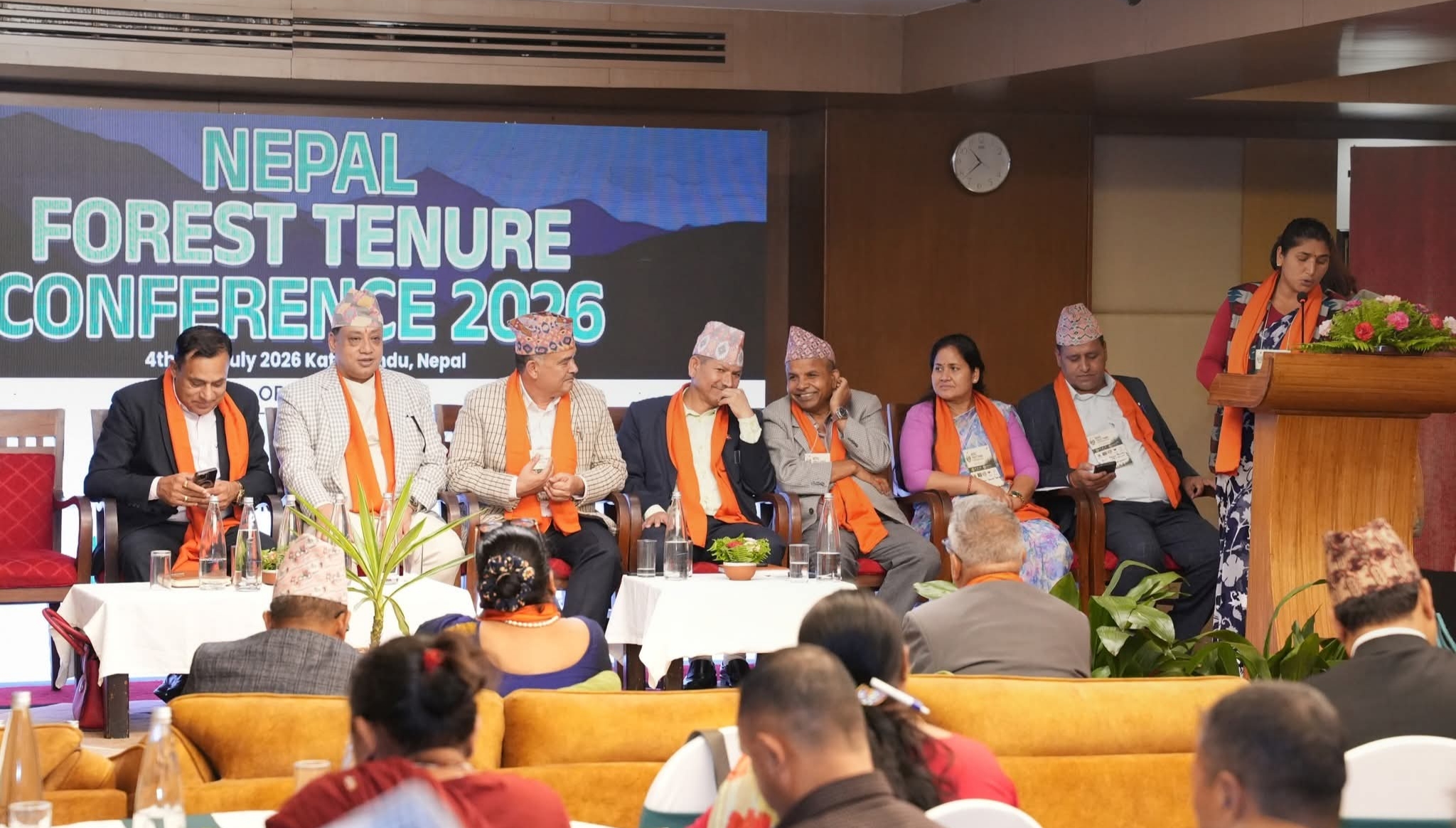
#NepalForestTenureConference2026 #ForestTenure #CommunityForestry #ClimateJustice #ForestGovernance #LandRights #Biodiversity #SustainableDevelopment #GreenEconomy #IndigenousPeoples #LocalCommunities #ClimateResilience #NaturalResources #Nepal #EcosphereNews