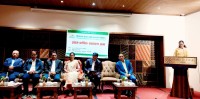
Kathmandu, Nepal, June 10, 2026 - Policymakers, environmental officials, and development practitioners from across South Asia have gathered in Nepal for a regional learning exchange aimed at strengthening efforts to combat plastic pollution through Extended Producer Responsibility (EPR) and Plastic Credit Systems.
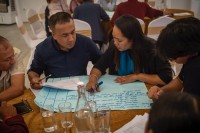
The three-day workshop, organized by the South Asia Co-operative Environment Programme (SACEP) under the World Bank-funded Plastic Free Rivers and Seas for South Asia Project, is being held from June 8 to 10, 2026. The event has brought together 69 participants from Bangladesh, Bhutan, Maldives, Nepal, Pakistan, and Sri Lanka, including government representatives from environment ministries, regulatory agencies, and project grantees.
Addressing the gathering, Gita Chaudhary, Nepal’s Minister of Agriculture, Forests and Environment, emphasized the importance of Extended Producer Responsibility as a policy mechanism that places responsibility for plastic packaging waste on producers. She highlighted that EPR can help mobilize financial resources for waste management through market-based instruments such as plastic credit systems.
The minister also stressed the need for stronger regional cooperation to tackle shared environmental challenges, particularly the growing threat of plastic pollution across South Asia.
Welcoming delegates, Norbu Wangchuk, Director General of SACEP, noted that South Asian countries are currently at different stages of implementing EPR policies but share a common goal of reducing plastic waste and promoting sustainable waste management practices.
He pointed out that Nepal recently introduced the term “Extended Producer Responsibility” in its Plastic Bag Regulation and Control Directive 2082 B.S. (2026), marking a significant step in the country’s policy framework. Bhutan, Maldives, and Pakistan are exploring EPR approaches, while Bangladesh is reviewing its EPR framework and Sri Lanka is preparing regulations for implementation following legislative approval. India remains the only South Asian country with a fully operational EPR system for plastic packaging waste, offering valuable lessons from over a decade of implementation.
Highlighting the significance of regional collaboration, Wangchuk called on member states to build upon more than four decades of cooperation under SACEP and transform shared environmental challenges into collective solutions through knowledge exchange and peer learning.
“This regional gathering represents an important step toward closing the gap between plastic pollution policy and on-the-ground implementation across South Asia,” Wangchuk stated, emphasizing the need for collaboration among regulators, industry stakeholders, and practitioners to advance a circular plastic economy in the region.
The workshop programme combines technical learning sessions on EPR system design, digital compliance monitoring, enforcement mechanisms, and practical experiences from producers, recyclers, and waste processors in India. Participants are also exploring the functioning of plastic credit systems and undertaking a field visit to a Material Recovery Facility in Kathmandu Valley supported by the PLEASE Project.
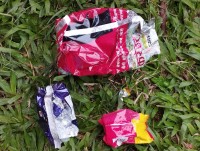
Environmental experts believe that strengthening EPR frameworks and promoting circular economy approaches will be crucial for reducing plastic leakage into rivers, oceans, and ecosystems across South Asia, one of the regions most affected by plastic pollution.
#EcosphereNews #SACEP #PLEASEProject #PlasticPollution #ExtendedProducerResponsibility #EPR #PlasticCredits #CircularEconomy #WasteManagement #EnvironmentalGovernance #SouthAsia #Nepal #PlasticFreeRivers #Sustainability #RegionalCooperation #EnvironmentalProtection #Kathmandu #ClimateAction #SustainableDevelopment #PlasticWasteFreeSouthAsia