Lalitpur, July 22 - The Department of Hydrology and Meteorology (DHM) organized a National Stakeholder Workshop for the National Demonstration of Impact-Based Forecasting (IBF) for Temperature Extremes (Heat) in Nepal on Wednesday at The Plaza, Pulchowk, Lalitpur, bringing together government agencies, humanitarian organizations, researchers, media representatives, and development partners to strengthen Nepal's preparedness for rising heat-related risks.
The day-long workshop focused on enhancing Nepal's transition from conventional weather forecasting to impact-based forecasting, an approach that not only predicts hazardous weather events but also communicates their likely impacts on people, infrastructure, agriculture, health, water resources, transportation, and other critical sectors to support timely decision-making.
The programme began with registration, followed by the official opening, presentation of workshop objectives, participant introductions, and a group photo.
During the first technical session, DHM experts presented an overview of Impact-Based Forecasting, explaining the end-to-end IBF value chain and its role as a decision-support system for managing temperature-related hazards. The session concluded with discussions and a question-and-answer segment.
The second session emphasized translating weather forecasts into practical impact information. Participants reviewed forecasting products and tools developed by DHM, while the Institute for Himalayan Risk Reduction (IHRR) shared examples of forecasting for heat and cold hazards. Group exercises facilitated by IHRR and RIMES engaged representatives from agriculture, health, water resources, energy, transportation, academia, provincial and local governments, civil society, private sector, media, security agencies, humanitarian organizations, NGOs, INGOs, and development partners to identify sector-specific data needs and improve collaborative forecast production.
A dedicated session led by BBC Media Action explored effective communication and dissemination of impact-based forecasts to ensure timely public awareness and response.
The workshop also featured experience-sharing sessions where IHRR and RAIN presented lessons learned from implementing heat-related Impact-Based Forecasting initiatives at the local level through lightning talks and interactive discussions.
Another key session examined exposure, vulnerability, and Gender Equality, Disability and Social Inclusion (GEDSI) considerations in implementing IBF. Contributions from the Stimson Center, Mercy Corps, and RIMES highlighted risk assessment, Heat Action Plan development, provincial experiences, operational challenges, and strategies for strengthening locally relevant implementation.
In the afternoon, the National Disaster Risk Reduction and Management Authority (NDRRMA) presented its role in addressing heatwave risks, emphasizing potential impacts on aviation, public health, agriculture, rainfall, landslides, highways, and everyday socio-economic activities.
Participants later shared outcomes from group discussions and identified priorities for scaling up Impact-Based Forecasting across Nepal. The workshop concluded with key recommendations, outlining next steps for institutionalizing IBF for temperature extremes and enhancing coordination among meteorological, disaster management, and sectoral stakeholders.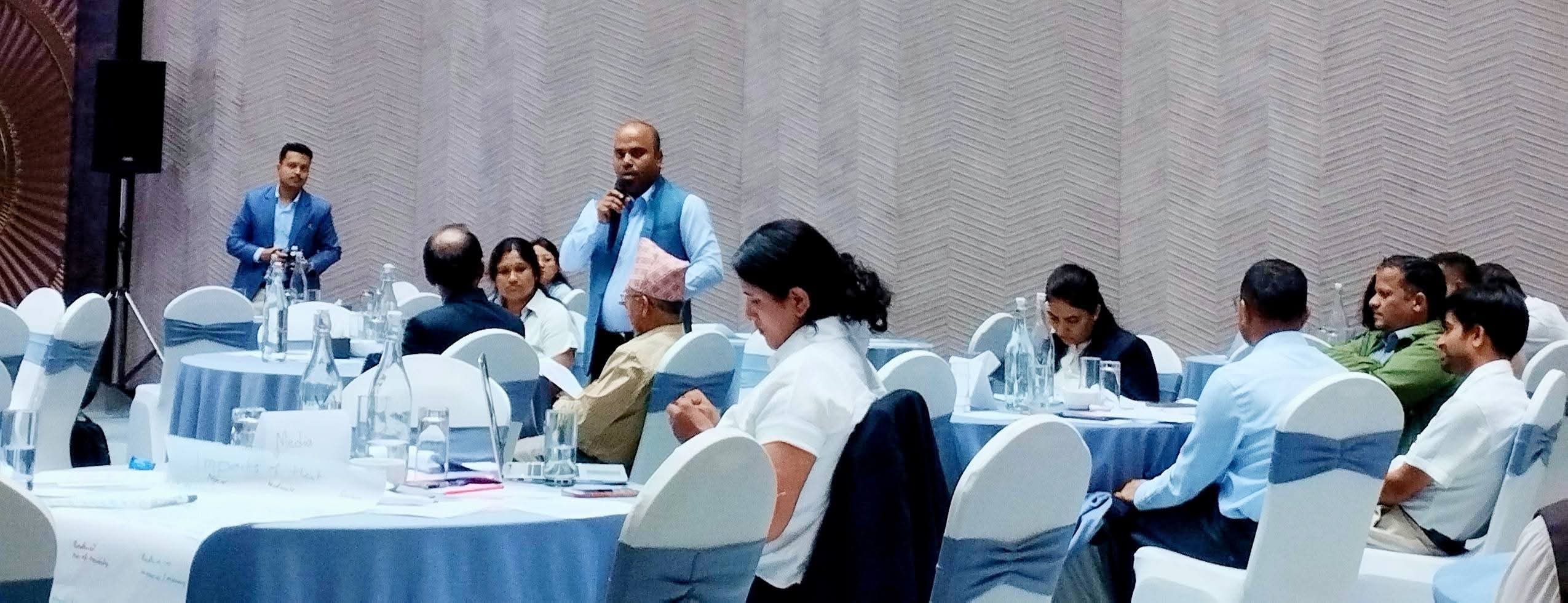
As climate change continues to increase the frequency and intensity of extreme heat events worldwide, the workshop underscored the importance of integrating scientific forecasting with risk communication and multi-sectoral preparedness to reduce losses and protect vulnerable communities in Nepal.
#EcosphereNews #Nepal #DHM #ImpactBasedForecasting #Heatwave #ClimateChange #DisasterRiskReduction #EarlyWarning #WeatherForecasting #TemperatureExtremes #NDRRMA #RIMES #IHRR #MercyCorps #BBCMediaAction #ClimateResilience #GEDSI #HeatActionPlan #SustainableDevelopment