January 26, 2026 | Global News Desk
A powerful and unusually widespread winter storm has swept across the United States, leaving at least 13 people dead, cutting electricity to hundreds of thousands of homes, and disrupting daily life across vast regions of the country. Authorities have warned that the effects of the storm - marked by heavy snow, freezing rain, ice and extreme cold - may linger for days.
According to the U.S. National Weather Service (NWS), life-threatening conditions stretched from Texas and the Gulf Coast through the Midwest to New England, affecting both regions accustomed to severe winter weather and areas with limited preparedness for extreme cold.
Human Toll and Emergency Measures
Officials confirmed that at least 13 deaths have been linked to the storm, with fatalities attributed to hypothermia, exposure to extreme cold, and weather-related incidents. Several states declared states of emergency as local governments mobilised emergency services, shelters and power restoration crews.
Authorities have repeatedly urged residents to avoid unnecessary travel, remain indoors, and check on elderly people, children and those without stable housing - groups considered most vulnerable during prolonged cold spells.
Widespread Power Outages and Infrastructure Stress
The storm placed severe strain on energy infrastructure. Between 800,000 and one million households and businesses experienced power outages as ice-laden winds damaged transmission lines and substations, particularly across southern and central states such as Texas, Louisiana, Mississippi and Tennessee.
Utility providers warned that restoration efforts could be slow in some areas due to continuing freezing temperatures and hazardous working conditions.
Travel Disruption Across the Country
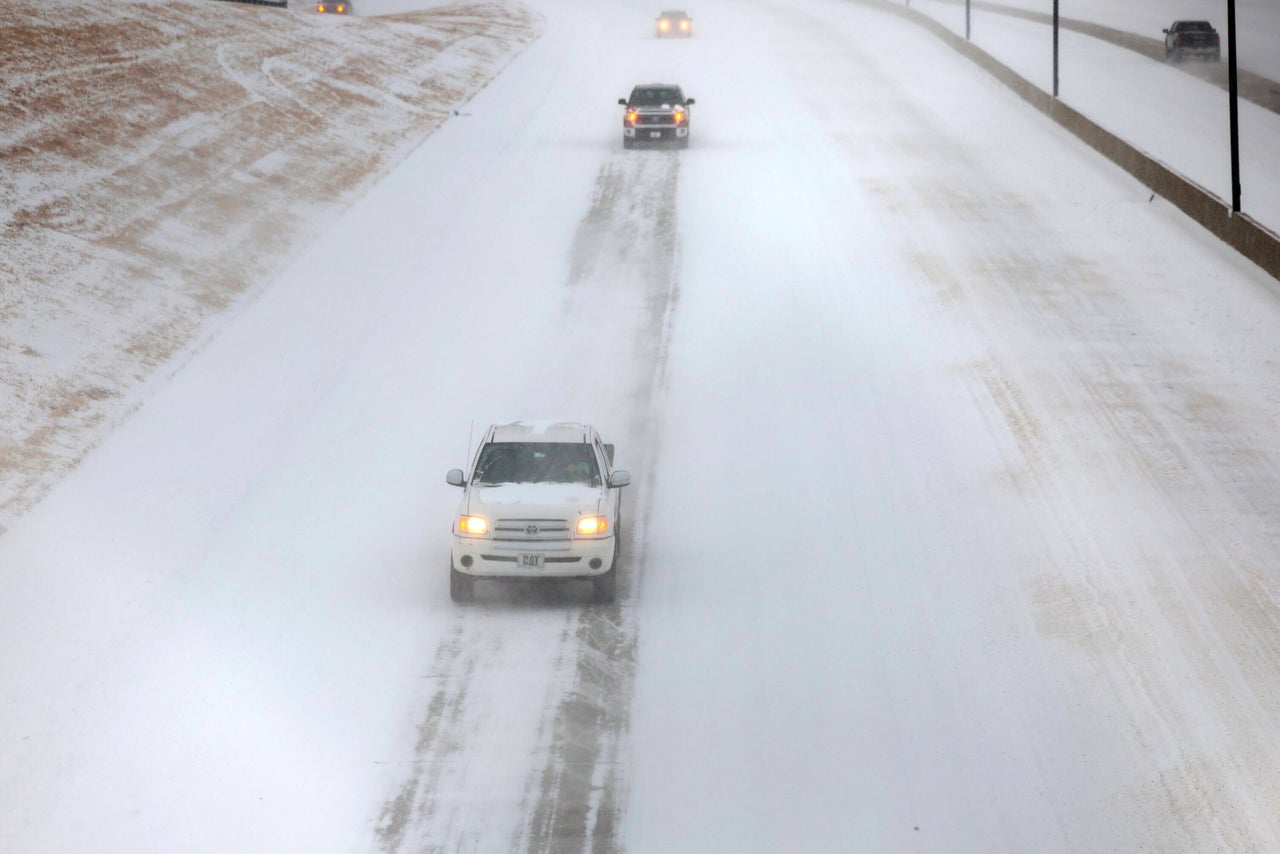
Transportation networks were severely affected. More than 10,000 flights were cancelled nationwide, with major hubs including New York, Boston, Dallas and Washington, D.C. experiencing significant delays and shutdowns. Snow- and ice-covered roads led to widespread highway closures, traffic accidents and disruptions to supply chains.
Schools and universities across multiple states suspended in-person classes, while public transit services were reduced or halted in several cities.
Meteorological Context and Climate Concerns
Meteorologists attributed the storm’s intensity and geographic reach to a significant disruption of the polar vortex, allowing Arctic air to plunge deep into the continental United States. While such events are not new, climate scientists continue to examine whether climate change is contributing to more frequent and extreme weather patterns, including sudden temperature swings and severe winter storms.
The NWS cautioned that even as snowfall eases in some regions, dangerously low wind chills, icy roads and continued power outages remain serious risks.
Looking Ahead
Emergency agencies and weather experts stress that recovery efforts may take several days and that residents should remain vigilant. The storm serves as a stark reminder of the growing vulnerability of infrastructure, energy systems and communities in the face of increasingly unpredictable extreme weather events.