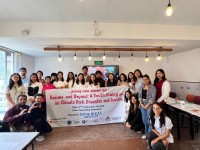
Lalitpur, February 6, 2026 - The Nepal Geological Society (NGS) is organising a focused symposium on “Landslide Hazard and Bio-engineering Approaches for Slope Stability in Nepal” today at the Department of Water Resources and Irrigation, Jawalakhel, Lalitpur.
The half-day symposium, scheduled from 13:30 to 17:45 NST, brings together geologists, engineers, researchers, policymakers, students, and development practitioners to discuss Nepal’s growing landslide risks and sustainable mitigation strategies. The event is being held under the broader theme of advancing Himalayan geoscience for a resilient, sustainable, and resource-secure world.
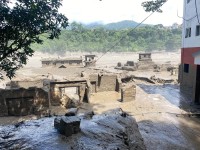
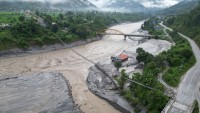
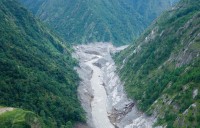
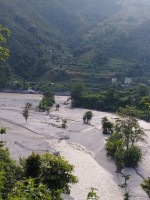
Nepal’s rugged topography, fragile geology, intense monsoon rainfall, and expanding infrastructure development have made landslides one of the country’s most persistent natural hazards. In response, the symposium highlights bio-engineering and nature-based solutions as practical, cost-effective, and environmentally sensitive approaches to slope stabilisation.
The programme features three technical presentations addressing landslide hazards, slope stability challenges, and applied bio-engineering practices relevant to Nepal’s diverse landscapes. These sessions are followed by a high-level panel discussion titled “Building Safer Landscapes: Science, Nature, and Practice,” which aims to bridge scientific knowledge with on-the-ground implementation.
The symposium is being organised by the Nepal Geological Society in collaboration with several national and professional institutions, including technical working groups and disaster risk networks. It forms part of ongoing efforts to strengthen collaboration among scientists, practitioners, and policymakers in reducing landslide risks across the country.
Organisers have called on NGS members, professionals, students, and concerned stakeholders to actively participate, noting that collective learning and dialogue are essential for developing safer and more resilient landscapes in Nepal.
The event is expected to contribute meaningfully to national discussions on disaster risk reduction, sustainable infrastructure development, and ecosystem-based approaches to managing geohazards in the Himalayan region.