Top Navigation
  • Home
  • About Us
    • Our Story
    • Our Team
    • Mission and Vision
  • Donate
    • Why Donate
    • Payment Methods
Main Navigation
  • News
  • National
  • Environment
    • Climate
    • Conservation
    • Biodiversity
    • Natural Disasters
    • Pollution
    • Energy
    • Ecology
  • Opinion
  • Business
  • Technology
  • Profiles
  • Travels
  • World
  • More
    • Events
    • Lifestyle
    • Multimedia
    • Research
    • Publications
  • Home
  • About Us
    • Our Story
    • Our Team
    • Mission and Vision
  • Donate
    • Why Donate
    • Payment Methods
UNV UNV
  • News
  • National
  • Environment
    • Climate
    • Conservation
    • Biodiversity
    • Natural Disasters
    • Pollution
    • Energy
    • Ecology
  • Opinion
  • Business
  • Technology
  • Profiles
  • Travels
  • World
  • More
    • Events
    • Lifestyle
    • Multimedia
    • Research
    • Publications
Search Here
Opinion
  • Home
  • Opinion
  • Environmental Consequences of the Escalating War in the Middle East
Environmental Consequences of the Escalating War in the Middle East
Ganesh Khatiwada
Ganesh Khatiwada 2026-03-02 05:35:00

(Comprehensive, fact-checked analysis for Ecosphere News - March 2, 2026)
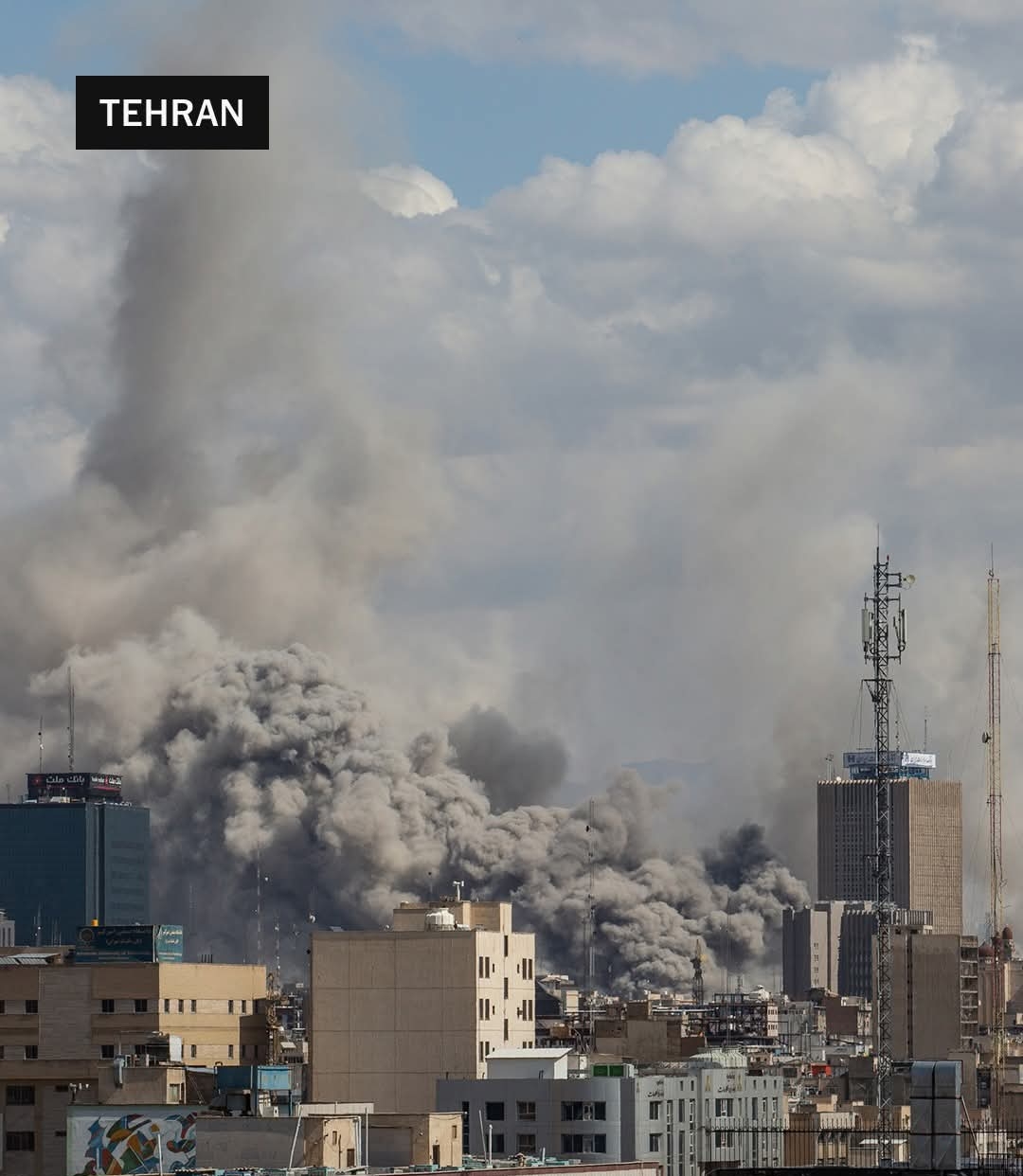
The intense conflict triggered by U.S. and Israeli air strikes on Iran - described as among the heaviest military actions in the region’s recent history - alongside Iran’s widespread drone and missile retaliation across the Gulf and Levant - is already affecting civilians and infrastructure. While humanitarian loss and economic disruption are widely reported, the environmental impacts, though less visible, are likely to be severe and long-lasting.

1. Air and Soil Pollution from Bombardment and Fires
Modern military strikes - including those on urban, industrial, military, and energy infrastructure - release toxic pollutants into the air and soil. Explosive detonations and fires can emit large amounts of particulate matter, nitrogen oxides, carbon monoxide, volatile organic compounds and heavy metals. These pollutants pose acute and chronic health risks to populations downwind and can degrade air quality for months or years. Such damage was documented in past Middle Eastern conflicts where intense bombardment contributed to hazardous conditions. 
Destruction of industrial facilities, missile launch sites and fuel depots creates complex chemical mixtures in the environment.
Dust and burn products from destroyed buildings can embed in soil and water, increasing respiratory illnesses and other health threats in local communities.

2. Greenhouse Gas Emissions and Climate Effects
Large-scale aerial bombardments - involving thousands of flights from heavy bombers, fighter jets, drones and support aircraft - contribute significant amounts of carbon dioxide and other greenhouse gases to the atmosphere. According to conflict analysts, even short periods of intense military activity can produce climate-relevant emissions comparable to those of small countries.
The combustion of fuel for military vehicles, aircraft and equipment releases CO₂ and black carbon.
Fires from bombed industrial sites and oil tank farms can push soot high into the atmosphere, affecting regional climate patterns.

3. Risks to Water Resources and Biodiversity
The Middle East - particularly around the Persian Gulf and densely populated areas - is already water-stressed. Damage to water infrastructure and risks to desalination plants increase the likelihood of water contamination and shortages. Although the International Atomic Energy Agency (IAEA) has reported no radiological contamination from recent strikes, experts warn that indirect environmental stress is still significant.
Gulf states depend heavily on desalination for freshwater; oil spills or infrastructure damage could quickly disrupt supplies.
Agricultural land and natural habitats near conflict zones can face soil erosion and pollution, threatening food production and ecosystems.

4. Long-Term Ecosystem Damage and Rehabilitation Costs
History shows that war can leave a legacy of ecological harm long after the shooting stops. Past conflicts in the region - especially the 1991 Gulf War - demonstrated how oil spills, fires and habitat destruction can have decades-long effects on ecosystems, air quality and human health. 
Cleanup and restoration of polluted sites can cost billions and require decades of sustained effort.
Wildlife habitats and agricultural land destroyed or contaminated during wartime can take generations to recover.

International Monitoring and Response
International agencies like the IAEA are monitoring potential environmental health, including radiation and water quality. So far, no radiological contamination from strikes on suspected nuclear facilities has been detected, but the situation remains dynamic. 
Ecological organizations urge independent environmental assessments to track long-term impacts on food systems, water supplies, and human health - beyond immediate wartime reporting.

Why Ecosystem Impacts Matter
Beyond immediate human suffering, armed conflict has ripple effects on:
Public health - through polluted air, contaminated water, and damaged healthcare support.
Climate change acceleration - adding stress to an already warming world.
Regional biodiversity - landscapes around urban and industrial areas become less hospitable.
Economic recovery - because environmental remediation adds a hidden but massive cost to post-war reconstruction.

In Conclusion
While media coverage naturally focuses on battlefield developments and political shifts, the environmental devastation from war is a silent yet profound casualty - with impacts on human health, ecosystems and climate systems alike. As violence continues, so do the risks of pollution, habitat loss, and long-term ecological disruption that could outlast the war itself.IMG_20260302_054458-1772409635.jpg

Published Date 2026-03-02 05:35:00
Comments
Online Test Prep Online Test Prep
More Opinion
Global Environmental Developments Highlight Policy Debates, Innovation, and Accountability
Global Environmental Developments Highlight Policy Debates, Innovation, and Accountability 2026-02-24 04:53:00
Global Finance Still Favors Nature Destruction Over Protection, UNEP Report Warns
Global Finance Still Favors Nature Destruction Over Protection, UNEP Report Warns 2026-02-03 19:08:44
Green Spaces Emerging as a Critical Pillar for Sustainable Urban Development
Green Spaces Emerging as a Critical Pillar for Sustainable Urban Development 2026-01-25 08:47:00
Planet Under Pressure: New Science, Old Conflicts, and Fragile Hope Shape the Global Environmental Outlook
Planet Under Pressure: New Science, Old Conflicts, and Fragile Hope Shape the Global Environmental Outlook 2026-01-07 08:07:00
Rethinking Urban Water Management: Why “Sponge Landscapes” Matter in a Changing Climate
Rethinking Urban Water Management: Why “Sponge Landscapes” Matter in a Changing Climate 2025-12-23 09:22:00
Nepal Marks 70 Years of Partnership with the United Nations as UN Completes 80 Years
Nepal Marks 70 Years of Partnership with the United Nations as UN Completes 80 Years 2025-12-18 13:22:00
Most Loved
  • Week
  • Month
Nepal’s Ayesha Chaudhary Secures Engineering Position at Google
Supermai Hydropower Concludes 11th AGM, Endorses 21.11% Dividend and Announces 1:1 Rights Share Plan
Amazon Rainforest at a Critical Crossroads: Carbon Shift, Deforestation Decline, and Indigenous Resistance
17 Killed After Passenger Bus Falls Into Trishuli River in Dhading
Global Environmental Developments Highlight Policy Debates, Innovation, and Accountability
Young Leadership in Action: Ms. Bijaya Poudel’s Impactful Presidency at Naldum Nagarkot Junior Jaycees
Nepal’s Ayesha Chaudhary Secures Engineering Position at Google
Nepal Reaffirms Commitment to End Child Marriage by 2030 as 100-Day National Campaign Concludes
Sumeru Polymers Holds First Annual General Meeting, Approves Key Financial and Corporate Decisions
International Conference on Climate-Smart Agriculture Concludes in Kathmandu with Strong Focus on Engineering Innovation
Awareness Awareness
Contact Us

News Desk

Ecosphere News
Chakupat, Lalitpur, Nepal
Phone : +977-01-5400646
Email: [email protected] www.ecospherenews.com

Sales & Marketing

Email: [email protected]
Cell Phone: 9820631466 / 9767470774
Media Details
Publisher Ecosphere News and Travels Pvt. Ltd.
DOIB Registration No. 4699-2081/2082
Editor Ganesh Khatiwada
Follow us on Twiitter https://twitter.com/EcosphereNews?ref_src=twsrc%5Etfw
Like us on Facebook
Ecosphere News Environmental & Developmental Issues
© 2026 Ecosphere News Environmental & Developmental Issues. All Rights Reserved. Site by: SoftNEP

SoftNEP News Alert

अख्तियार स्वतन्त्र निकाय भएकाले वाइडबडि छानबिनमा अहिलेसम्‍म कुनै किसिमको राजनीतिक दबाब आएको छैन।स्वतन्त्र ढंगले काम गरिरहेका छौ।
सदस्यता लिनुहोस्