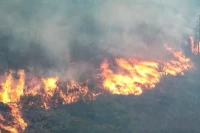
Kathmandu - As Nepal enters the peak dry season, the risk of forest fires has increased across several regions of the country, raising concerns among environmental experts, local communities, and authorities. Every year, the months between March and May bring heightened wildfire activity due to prolonged dry weather, strong winds, and the accumulation of dry leaves and grass on forest floors.
According to Nepal’s forest authorities, thousands of forest fire incidents are recorded annually, affecting dozens of districts. Past data indicate that major wildfire outbreaks have occurred in years such as 2009, 2016, and 2021, when extensive areas of forest were damaged. Fires occur most frequently in the Chure and Terai regions, while mid-hill districts often experience significant ecological and community impacts.
Experts note that the majority of forest fires in Nepal are caused by human activities. Careless disposal of cigarette butts, burning agricultural residues near forest areas, unattended campfires, and intentional burning to encourage fresh grass growth for livestock are among the leading causes. In many rural areas, forest fires are also sometimes started to drive wildlife away from settlements.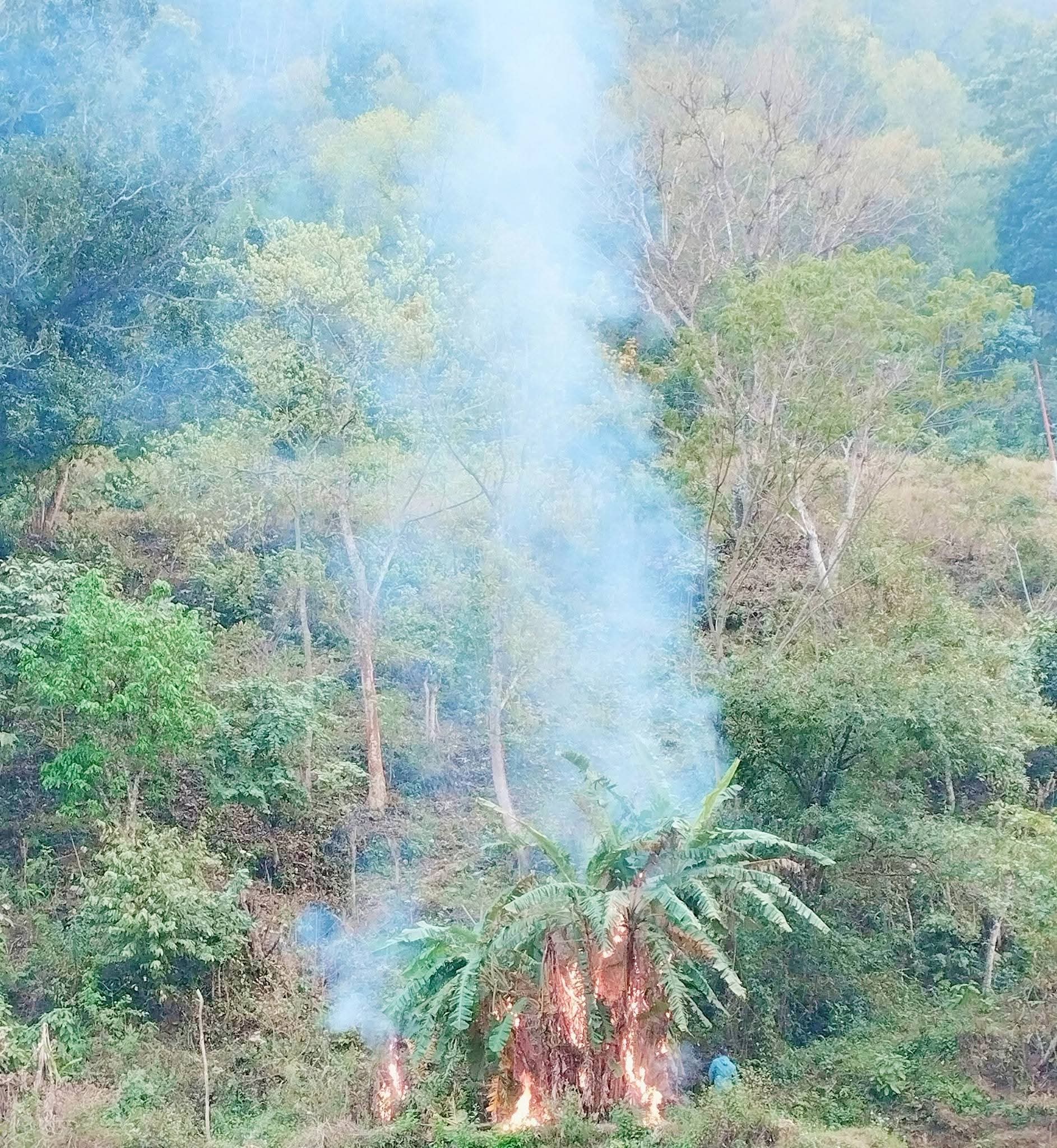
Environmental changes linked to climate variability are further intensifying the problem. Warmer temperatures and irregular rainfall patterns have created drier forest conditions, making vegetation more susceptible to ignition. At the same time, rural migration has reduced traditional forest use in many areas, leading to the accumulation of dry biomass that acts as fuel for fires.
Forest fires not only destroy vegetation but also threaten wildlife habitats, release large amounts of carbon into the atmosphere, and worsen air quality. The smoke produced by large-scale fires can affect nearby communities and contribute to respiratory health problems. Biodiversity-rich forests, including habitats of endangered species, are particularly vulnerable.
The Government of Nepal has introduced several measures to address the issue through its forest fire management strategy. Division Forest Offices, local governments, community forest user groups, and security agencies often coordinate during fire emergencies. Preventive actions such as creating firebreaks, raising public awareness, and mobilizing local volunteers have become part of seasonal fire management efforts.
Community forest groups play a significant role in early detection and response, particularly in rural areas where community forestry has helped protect large tracts of forest. However, experts say that challenges remain, including limited firefighting equipment, difficult terrain, and the lack of advanced early-warning systems.
Environmental analysts emphasize that stronger preventive measures, improved coordination among agencies, and greater public awareness are essential to reducing wildfire risks. As climate conditions become increasingly unpredictable, forest fire management is expected to remain a critical environmental priority for Nepal.
#ForestFire #NepalForests #WildfireRisk #ClimateChange #EnvironmentalProtection #CommunityForestry #EcosystemConservation #EcosphereNews