Top Navigation
  • Home
  • About Us
    • Our Story
    • Our Team
    • Mission and Vision
  • Donate
    • Why Donate
    • Payment Methods
Main Navigation
  • News
  • National
  • Environment
    • Climate
    • Conservation
    • Biodiversity
    • Natural Disasters
    • Pollution
    • Energy
    • Ecology
  • Opinion
  • Business
  • Technology
  • Profiles
  • Travels
  • World
  • More
    • Events
    • Lifestyle
    • Multimedia
    • Research
    • Publications
  • Home
  • About Us
    • Our Story
    • Our Team
    • Mission and Vision
  • Donate
    • Why Donate
    • Payment Methods
UNV UNV
  • News
  • National
  • Environment
    • Climate
    • Conservation
    • Biodiversity
    • Natural Disasters
    • Pollution
    • Energy
    • Ecology
  • Opinion
  • Business
  • Technology
  • Profiles
  • Travels
  • World
  • More
    • Events
    • Lifestyle
    • Multimedia
    • Research
    • Publications
Search Here
Multimedia
  • Home
  • Multimedia
  • Mountaineering Life in Nepal: Adventure, Livelihood, and Risk in the Himalayas
Mountaineering Life in Nepal: Adventure, Livelihood, and Risk in the Himalayas
Ganesh Khatiwada
Ganesh Khatiwada 2026-03-10 05:34:00

Kathmandu - Nepal’s towering Himalayas have long attracted climbers and adventurers from around the world. Home to eight of the world’s fourteen highest peaks, including the legendary Mount Everest, the country has established itself as a global center for mountaineering. Beyond the thrill of summiting peaks, however, mountaineering in Nepal represents a complex way of life-one that blends economic opportunity, cultural tradition, and significant risk.
Modern mountaineering in Nepal gained international recognition in 1953 when Edmund Hillary of New Zealand and Nepali climber Tenzing Norgay achieved the first successful ascent of Mount Everest. Their historic climb opened the Himalayas to international expeditions and helped transform mountain tourism into one of Nepal’s key economic sectors.
Today, Nepal has opened more than 400 peaks to climbers, drawing thousands of mountaineers annually. Expeditions generate significant revenue through climbing permits, tourism services, and employment for guides, porters, cooks, and trekking agencies. For many Himalayan communities, especially in the Khumbu region, the mountaineering season provides vital income.
At the heart of this industry are the Sherpa guides and high-altitude workers who support expeditions. Known for their exceptional knowledge of the mountains and their ability to work in extreme conditions, Sherpas play a crucial role in ensuring the safety and success of climbing teams. Their responsibilities include transporting equipment, fixing ropes, establishing camps, and guiding climbers through dangerous terrain.
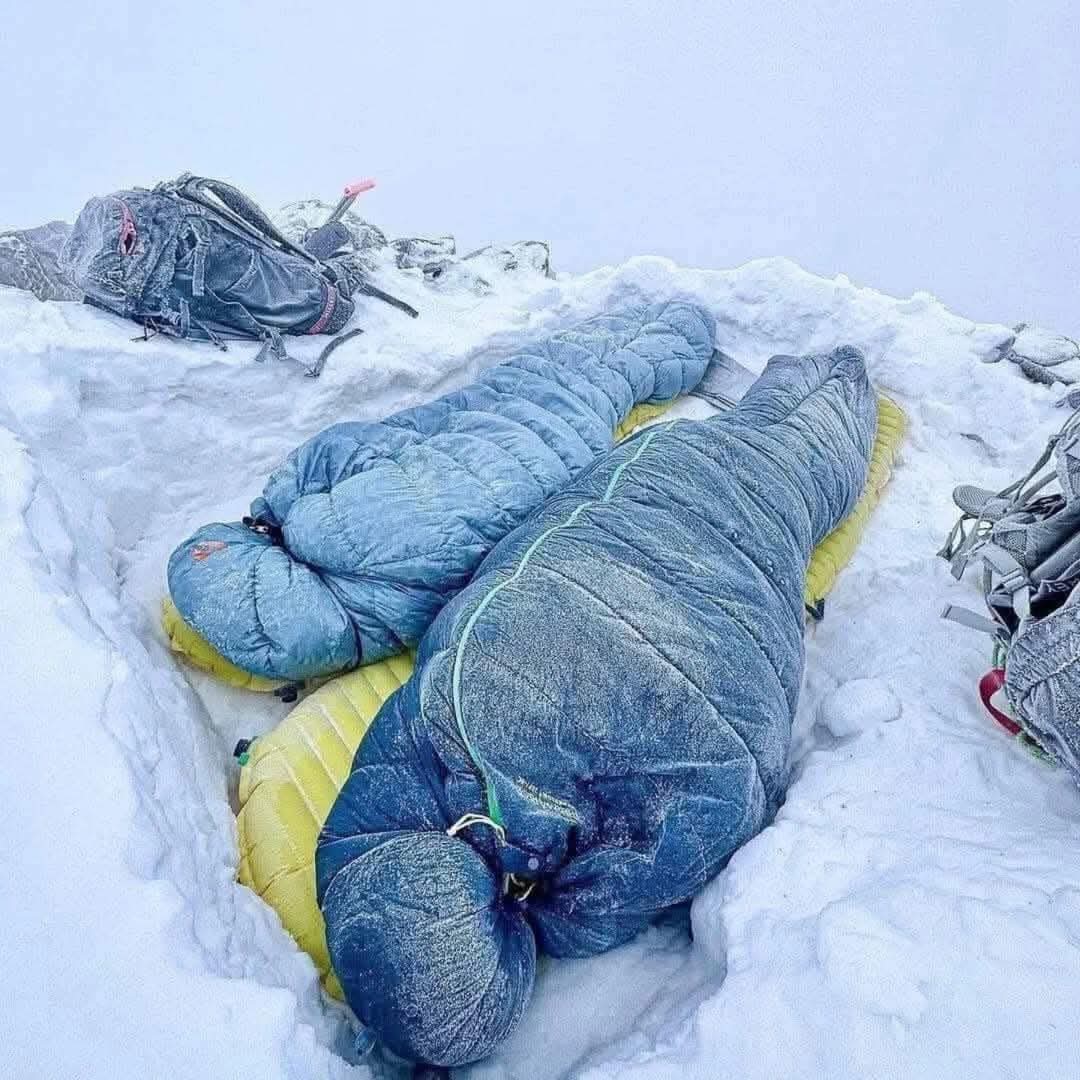
Despite their expertise, Sherpa mountaineers face significant risks. Treacherous sections such as the Khumbu Icefall expose workers to avalanches, crevasses, and rapidly changing weather conditions. High-altitude sickness, freezing temperatures, and unstable ice formations add further dangers to an already demanding profession.
In recent years, concerns have also grown about overcrowding on popular peaks, particularly Mount Everest. Long queues of climbers during peak seasons have raised safety concerns and sparked discussions about stricter permit regulations and improved management of mountain tourism.
Environmental challenges are another pressing issue. The increasing number of expeditions has contributed to waste accumulation and environmental pressure on fragile alpine ecosystems. Authorities and expedition organizers have begun implementing waste management rules and promoting responsible climbing practices to protect the Himalayan environment.
Beyond its economic and environmental dimensions, mountaineering in Nepal also carries deep cultural significance. For many Sherpa communities, the mountains are sacred landscapes. Climbers often participate in traditional Buddhist rituals before expeditions, seeking blessings for safety and success in the high Himalayas.
As global interest in adventure tourism continues to grow, Nepal’s mountaineering industry stands at a crossroads-balancing economic opportunity with safety, cultural respect, and environmental sustainability. For the communities who live and work among the world’s highest peaks, mountaineering remains more than an adventure; it is a way of life shaped by courage, tradition, and the enduring power of the mountains.FB_IMG_1773099323563-1773099863.jpg
#Mountaineering #Nepal #Himalayas #MountEverest #SherpaCommunity #AdventureTourism #MountainLife #SustainableTourism #ClimateAndMountains #EcosphereNews


Published Date 2026-03-10 05:34:00
Comments
Online Test Prep Online Test Prep
More Multimedia
Voices of Nepal: Resilience Amidst Climate Change
Voices of Nepal: Resilience Amidst Climate Change 2024-12-24 09:53:00
About Ecosphere News
About Ecosphere News 2024-09-22 07:40:00
Most Loved
  • Week
  • Month
Science Meets Life: Dr Anumiita Pathakk Champions Preventive Nutrition and Women-Led Wellness
Balen Shah’s Rise Signals a New Political Era in Nepal
Remote Village Near Kathmandu Still Waiting for Road Access and Basic Development
Over 160,000 Leave Kathmandu Valley in Four Days Ahead of Elections
Nepal Holds House of Representatives Election 2082; Voting Underway Nationwide
Nepal’s Ayesha Chaudhary Secures Engineering Position at Google
Environmental Consequences of the Escalating War in the Middle East
Nepal Reaffirms Commitment to End Child Marriage by 2030 as 100-Day National Campaign Concludes
Sumeru Polymers Holds First Annual General Meeting, Approves Key Financial and Corporate Decisions
Nepal Publishes Draft Seventh National Report on Biodiversity for Stakeholder Review
Awareness Awareness
Contact Us

News Desk

Ecosphere News
Chakupat, Lalitpur, Nepal
Phone : +977-01-5400646
Email: [email protected] www.ecospherenews.com

Sales & Marketing

Email: [email protected]
Cell Phone: 9820631466 / 9767470774
Media Details
Publisher Ecosphere News and Travels Pvt. Ltd.
DOIB Registration No. 4699-2081/2082
Editor Ganesh Khatiwada
Follow us on Twiitter https://twitter.com/EcosphereNews?ref_src=twsrc%5Etfw
Like us on Facebook
Ecosphere News Environmental & Developmental Issues
© 2026 Ecosphere News Environmental & Developmental Issues. All Rights Reserved. Site by: SoftNEP

SoftNEP News Alert

अख्तियार स्वतन्त्र निकाय भएकाले वाइडबडि छानबिनमा अहिलेसम्‍म कुनै किसिमको राजनीतिक दबाब आएको छैन।स्वतन्त्र ढंगले काम गरिरहेका छौ।
सदस्यता लिनुहोस्