Kathmandu, December 12, 2025
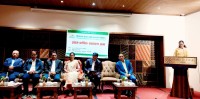
The South Asian Network for Development and Environmental Economics (SANDEE) has commenced its three-day international conference, SANDEE@25, in Kathmandu today, celebrating 25 years of research and regional collaboration on environment and development issues in South Asia.
The conference, themed “Development, Environment, and Mountains,” brings together leading researchers, environmental economists, and policymakers from across South Asia and the Hindu Kush Himalaya (HKH) region. Participants will present and discuss evidence-based insights on some of the most urgent challenges shaping the region’s environmental and socio-economic future.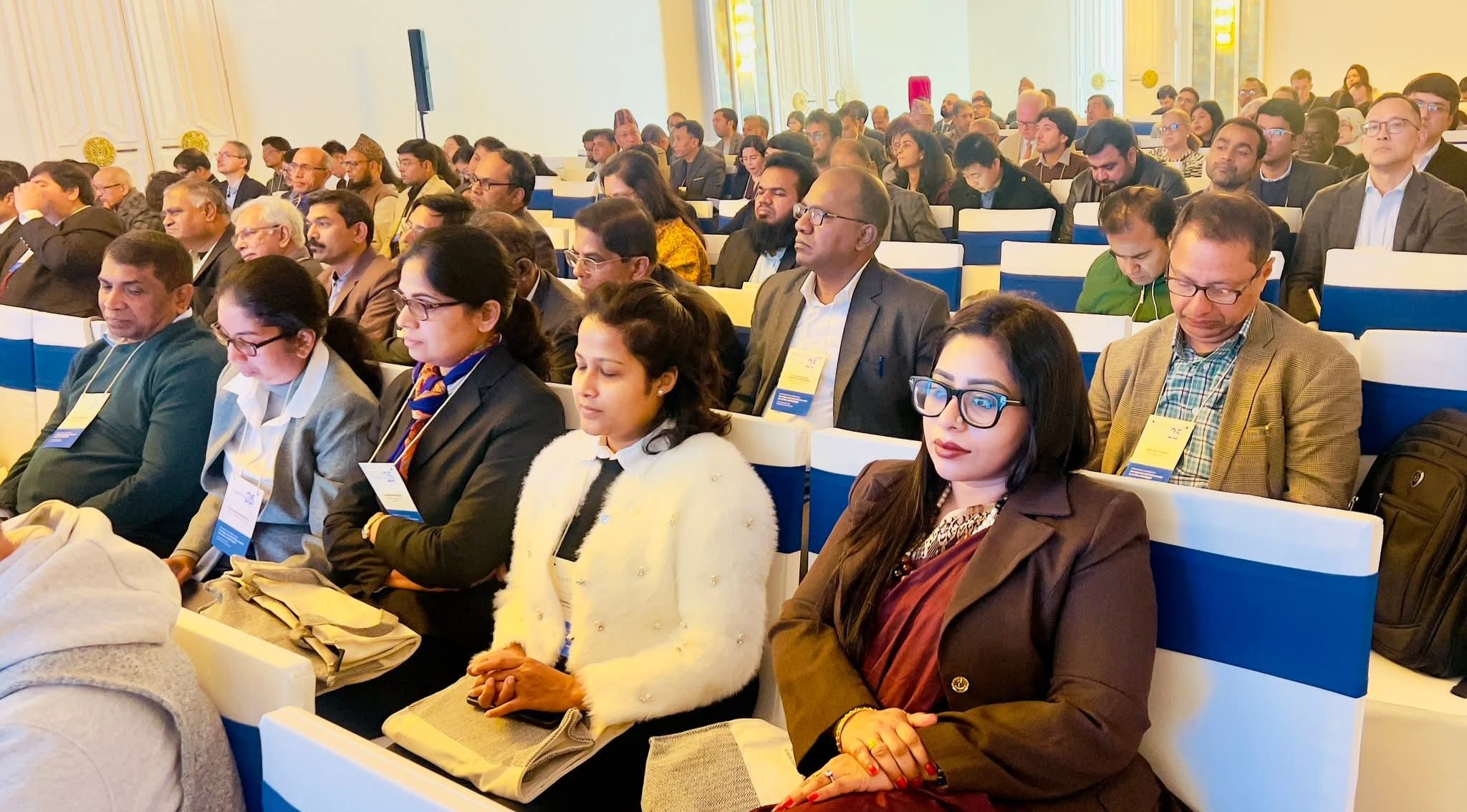
Focus Areas Addressing Regional Priorities
The event will center on key thematic areas including:
Biodiversity and ecosystem conservation
Climate impacts and adaptation
Forest restoration and landscape resilience
Environmental pollution and health
Livelihoods, poverty, and sustainable mountain development
Interactions between people, mountains, and rapid land-use changes
Experts will share new research that helps governments design effective policies for climate adaptation, nature conservation, sustainable urbanisation, and poverty reduction.
A Critical Moment for the HKH Region
The South Asian and HKH region-which spans Afghanistan, Bangladesh, Bhutan, China, India, Myanmar, Nepal, and Pakistan-faces some of the world’s most severe climate impacts. Rising temperatures, melting glaciers, biodiversity loss, worsening air pollution, and increasing socio-economic vulnerabilities continue to threaten millions of people.
Rapid urbanisation, population growth, unemployment, and persistent inequality further complicate development pathways. Researchers at the conference will present solutions on how countries can balance economic growth with environmental sustainability.
Strengthening Science-Policy Linkages
Over the past 25 years, SANDEE has played a vital role in nurturing a strong network of environmental economists across South Asia. The SANDEE@25 conference aims to strengthen connections between science and policy by offering governments and institutions actionable research that supports evidence-based decision-making.
Organizers noted that as climate and ecological pressures intensify, collaboration among researchers, governments, and development partners is more crucial than ever.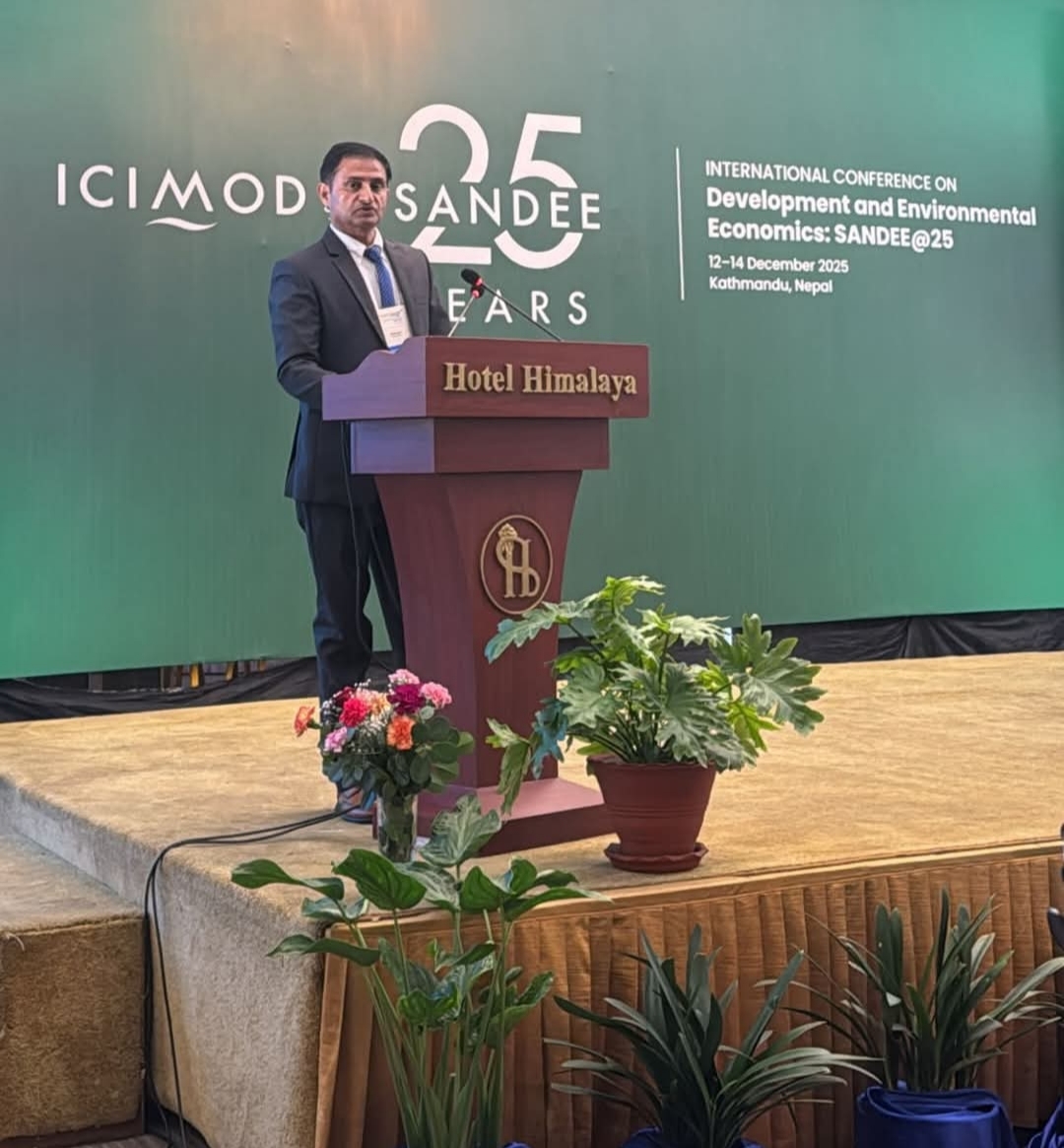
Looking Ahead
The three-day conference will feature keynote speeches, technical sessions, panel discussions, and networking events. Findings and discussions from the event are expected to contribute to long-term strategies for safeguarding the region’s ecosystems and improving the livelihoods of mountain communities.
The conference will conclude on December 14, 2025.