Lalitpur, Nepal - The 2nd International Conference on Engineering Technology and Infrastructure Development (LEC Conference 2026) successfully concluded today at Lalitpur Engineering College (LEC), Chakupat, bringing together engineers, researchers, academicians, policymakers, and industry professionals from diverse backgrounds.
Organized on 31 January 2026 (17th Magh 2082), the international conference served as a significant knowledge-sharing platform aimed at advancing engineering technology and strengthening infrastructure development in the context of emerging global and local challenges.
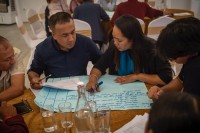
The conference featured in-depth technical sessions, research presentations, and interactive discussions that highlighted innovative approaches to infrastructure planning, resilient engineering solutions, and technology-driven development. Participants emphasized the importance of aligning engineering practices with sustainability, climate resilience, and inclusive growth-particularly relevant for rapidly urbanizing and developing countries like Nepal.
A key highlight of the conference was the Symposium on Sustainable Mobility and Transport, which drew focused attention to the growing need for environmentally responsible transport systems. Experts discussed sustainable urban mobility, low-carbon transport solutions, infrastructure efficiency, and policy integration, underlining how transport planning plays a crucial role in reducing emissions and improving quality of life.
Speakers and participants alike acknowledged that such academic-industry-policy dialogues are essential for translating research into real-world solutions. The conference also encouraged collaboration among institutions, researchers, and practitioners to foster innovation and evidence-based policymaking in engineering and infrastructure sectors.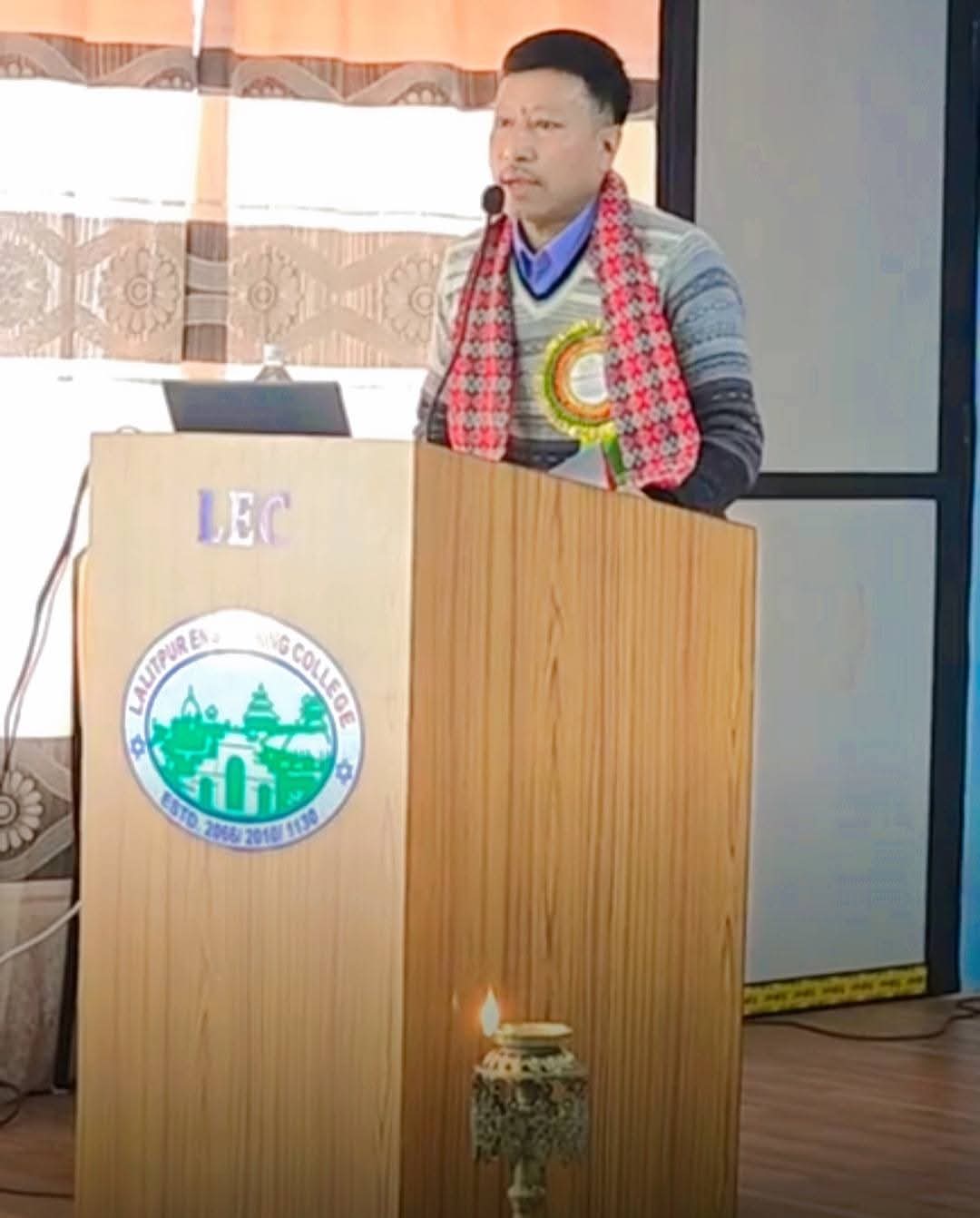
By hosting the LEC Conference 2026, Lalitpur Engineering College reaffirmed its commitment to promoting academic excellence, research-driven development, and sustainable engineering practices. The successful conclusion of the event marks another step toward strengthening Nepal’s role in regional and global engineering discourse, particularly in the fields of infrastructure development and sustainable transport.