Kathmandu: An international election observation mission deployed by the Asian Network for Free Elections (ANFREL) has concluded that Nepal’s 2026 House of Representatives election was largely peaceful and orderly, reflecting strong public engagement with democratic processes despite the country’s recent political turmoil.
The mission, which observed the parliamentary elections organized by the Election Commission of Nepal (ECN), noted that voters participated actively across the country even as the election took place in a politically polarized environment following the upheaval of September 2025.
According to ANFREL, the election day procedures were generally well managed and conducted in a calm atmosphere in most polling stations. However, the organization also highlighted several structural challenges that continue to affect the credibility, inclusiveness, and accountability of Nepal’s electoral system.
Peaceful Voting Amid Political Transition
The international observers stated that the ECN managed the technical preparations for the elections within a limited timeframe and despite operating with incomplete leadership. Stakeholder confidence in the commission remained relatively strong, although gaps were identified in voter education and access to election-related information, particularly in remote regions.
The assessment was conducted through consultations with electoral stakeholders and on-the-ground observation across multiple geographic locations, following international standards set by the Declaration of Principles for International Election Observation.
Weak Enforcement of Campaign Regulations
One of the major concerns highlighted by ANFREL relates to the enforcement of the electoral Code of Conduct. While regulatory frameworks exist, observers and stakeholders reported that violations during the campaign period were frequent and that enforcement mechanisms appeared inconsistent.
Issues related to campaign spending were also widely reported. Although legal spending ceilings and reporting requirements are established, many stakeholders believe that actual campaign expenditures often exceed the official limits. Limited public access to campaign finance disclosures further weakens transparency and public oversight.
These dynamics, the report suggests, may create structural advantages for wealthier candidates while making it harder for women and candidates from marginalized communities to compete on equal footing.
Security Presence and Polling Environment
Security forces were deployed widely across polling centers and were generally credited with helping maintain a stable voting environment. Given the recent political tensions in the country, stakeholders considered the visible security presence necessary.
However, observers noted that armed security personnel were sometimes stationed inside polling centers and close to voting areas. While this did not appear to interfere directly with voting, clearer guidelines on the positioning and role of security personnel could further strengthen public confidence in the neutrality of the voting environment.
Accessibility Challenges Remain
The observation mission also pointed to logistical barriers affecting voter accessibility. Many polling stations were located in schools or public buildings situated on uneven terrain, making it difficult for elderly voters, persons with disabilities, and individuals with mobility limitations to access voting facilities.
Although polling staff and security personnel frequently assisted voters facing such challenges, structural accessibility measures were not consistently implemented.
Representation and Youth Engagement
The election also highlighted ongoing challenges in political representation. Women and members of marginalized communities remain significantly underrepresented among candidates, particularly in first-past-the-post constituencies, despite constitutional commitments to inclusion.
At the same time, youth engagement was widely visible during the election period. Observers noted strong participation by younger citizens, reflecting growing public demands for political reform and generational change following civic mobilizations that preceded the election.
However, younger candidates still face barriers to entering formal political competition due to established party structures and candidate selection practices.
Observer Access and Civic Participation
Nepal’s domestic election observation organizations remain active but continue to operate with limited financial and technical resources. International observers complemented these efforts by providing independent monitoring and comparative perspectives aligned with international standards.
ANFREL also reported that awareness among some local authorities and security personnel regarding the mandate of election observers was limited. In certain cases, this resulted in inconsistent implementation of observer access rules and restrictions on observation activities.
The Importance of Post-Election Reform
Looking ahead, observers emphasized that the post-election environment will be crucial in determining the overall legitimacy of the electoral process.
Nepal’s democratic journey has historically involved periods of political contestation followed by institutional reforms. According to ANFREL, the current political moment presents another opportunity for reform, particularly as public expectations for accountability and institutional improvement continue to grow.
The organization stressed that political parties and leaders-both established and emerging-carry a significant responsibility to respond constructively to public demands for democratic renewal.
Strengthening transparency, ensuring fair political competition, and reinforcing respect for democratic institutions will be essential to maintaining public confidence in Nepal’s evolving democratic system.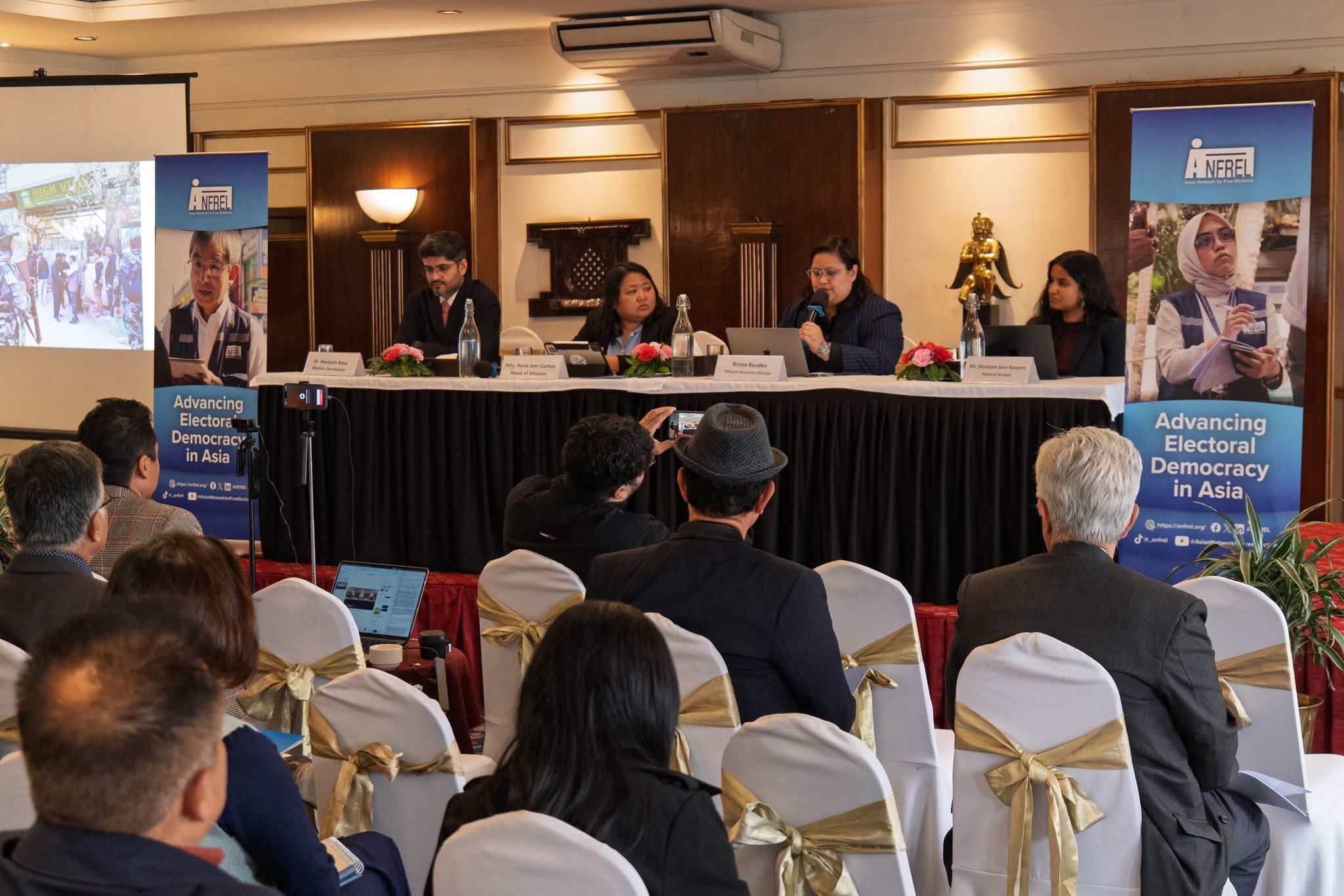
#NepalElection2026 #DemocracyInNepal #ElectionObservation #GoodGovernance #PoliticalReform #InclusiveDemocracy #ElectoralIntegrity #EcosphereNews