Kathmandu, December 11, 2025
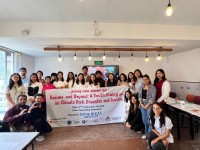
Nepal joined the global community today in marking International Mountain Day 2025, a day dedicated to recognising the ecological, cultural, and economic importance of mountain ecosystems. This year’s theme, “Glaciers matter for water, food and livelihoods in mountains and beyond,” carries particular urgency for Nepal, a country whose identity and survival are deeply intertwined with the Himalayas.
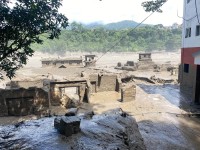
As climate change accelerates, the Himalayan region-home to the world’s highest peaks and the largest reserve of ice outside the polar zones-is experiencing unprecedented glacier loss. Scientists warn that rising temperatures are triggering rapid melt, intensifying the risks of glacial lake outburst floods (GLOFs), landslides, and seasonal water shortages affecting millions downstream.
For Nepal, these impacts are not distant threats but daily realities. Communities living in high-mountain regions are already facing disrupted livelihoods, shrinking water sources, and heightened disaster vulnerability. Farmers dependent on glacier-fed rivers are experiencing unpredictable irrigation cycles, while Indigenous groups-whose culture and identity are inseparable from the mountains-are witnessing profound changes to their ancestral landscapes.
Speaking on the occasion, environmental advocates emphasized that Nepal, despite contributing minimally to global emissions, remains one of the most climate-vulnerable nations. They stressed the urgency of stronger climate policies, increased adaptation financing, and global cooperation to safeguard mountain ecosystems.
“Our Himalayas are more than mountains; they are the beating heart of our water, food, culture, and livelihoods. As glaciers melt, so does our collective hope. Protecting the mountains means protecting our future,” said Ms. Akriti Dotel an environmental campaigner during the national observance programs.
International Mountain Day 2025 has therefore become more than a symbolic date for Nepal-it is a call to action. Experts and youth leaders are urging the government and global partners to invest in climate-resilient mountain communities, strengthen early warning systems, and prioritize mountain issues in international climate negotiations.
As Nepal’s voice grows louder on the global stage, the message remains clear: saving the Himalayas is not only a national priority-it is a planetary responsibility. The world must act now to ensure that the mountains that protect us today continue to protect future generations.