Lalitpur - As extreme weather events intensify across continents, global leaders and climate experts are increasingly emphasizing that cutting greenhouse gas emissions alone is no longer enough. Alongside mitigation efforts, adaptation has emerged as a critical pillar in protecting lives, livelihoods, and ecosystems already facing the consequences of climate change.
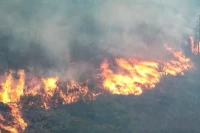
A recent awareness message shared by the United Nations underscores the urgency of investing in climate resilience. The campaign highlights that extreme heatwaves, floods, droughts, cyclones, war and wildfires are affecting billions of people worldwide, particularly vulnerable communities in developing countries.
The visual message - showing a thriving tree growing from a hand amid cracked, drought-stricken land - symbolizes the importance of resilience and proactive investment. It reinforces the idea that adaptation measures can safeguard communities even as the climate crisis unfolds.
Adaptation: A Necessity, Not an Option
According to the UN’s climate framework, adaptation refers to adjustments in natural and human systems in response to actual or expected climate impacts. These include building flood defenses, developing drought-resistant crops, strengthening early warning systems, restoring ecosystems, and climate-proofing infrastructure.
Experts warn that climate impacts are no longer distant threats. Rising temperatures are intensifying extreme rainfall in some regions while worsening water scarcity in others. Coastal communities face sea-level rise, while mountain regions experience glacial retreat and unstable weather patterns.
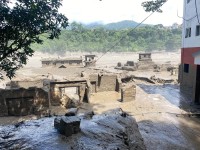
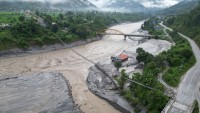
For countries like Nepal, adaptation is especially critical. The Himalayas are warming faster than the global average, increasing risks of glacial lake outburst floods (GLOFs), landslides, and erratic monsoon patterns. Agriculture-dependent communities are already witnessing shifts in planting seasons and crop productivity.
Protecting Lives and Livelihoods
Investment in resilience has proven to save both lives and economic losses. Early warning systems for cyclones, climate-smart agriculture practices, improved water management, and nature-based solutions such as forest restoration help reduce disaster risks while strengthening long-term sustainability.
The UN stresses that adaptation finance must increase significantly to meet the growing scale of climate impacts. Developing countries, which contribute least to global emissions, are often the hardest hit and require international support to implement adaptation strategies effectively.
The Way Forward
Climate action now stands on two equally important pillars: mitigation to reduce future warming, and adaptation to manage unavoidable impacts. Policymakers, financial institutions, and communities must work together to integrate resilience into national planning, infrastructure development, and local governance.
As the climate crisis deepens, the message is clear: investing in resilience today is an investment in survival tomorrow.
#ClimateResilience #ClimateAdaptation #GlobalWarming #ExtremeWeather #SustainableDevelopment #NatureBasedSolutions #ClimateAction #EcosphereNews