Kathmandu - Scientists and environmental researchers are increasingly warning that the rapid thawing of permafrost-permanently frozen ground found in polar and high-mountain regions-could significantly accelerate global climate change and create new environmental risks across the world.
Permafrost refers to soil, rock, or sediment that remains frozen at or below 0°C for at least two consecutive years. It is widely distributed across Arctic and sub-Arctic regions and high-altitude mountain areas. Large permafrost zones exist in countries such as Russia, Canada, United States (particularly Alaska), and on the Tibetan Plateau of China.
Researchers emphasize that permafrost plays a crucial role in regulating the Earth’s climate system. Frozen ground contains enormous quantities of organic matter accumulated over thousands of years. When temperatures rise and the ground thaws, microbes begin decomposing this material, releasing greenhouse gases such as carbon dioxide and methane into the atmosphere.
Climate scientists estimate that permafrost stores nearly twice as much carbon as is currently present in the atmosphere. If large amounts of this carbon are released due to warming, it could create a feedback loop that further accelerates global warming.
Recent scientific observations indicate that the Arctic region is warming significantly faster than the global average. As a result, permafrost in many areas is already beginning to thaw, creating unstable landscapes known as thermokarst-characterized by ground subsidence, sinkholes, and the formation of small lakes. These changes are affecting ecosystems, wildlife habitats, and human settlements.
The thawing of permafrost also poses serious risks to infrastructure in northern regions. Buildings, roads, pipelines, and airports constructed on frozen ground may become unstable as the soil softens and shifts. Several communities in Arctic regions have already reported structural damage linked to permafrost degradation.
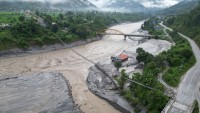
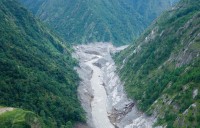
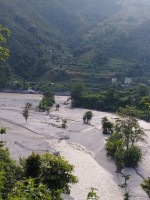
Beyond the polar regions, scientists are also monitoring permafrost conditions in high mountain systems, including the Himalayas. In mountainous countries such as Nepal, thawing permafrost could increase the risk of rockfalls, landslides, and slope instability, potentially affecting downstream communities and fragile alpine ecosystems.
Experts stress that addressing the permafrost challenge requires global climate action. Reducing greenhouse gas emissions remains the most effective way to slow the warming that drives permafrost thaw. At the same time, scientists are expanding monitoring networks in Arctic and mountain regions to better understand how frozen ground is responding to rising temperatures.
Environmental researchers say the fate of permafrost is closely tied to the broader fight against climate change. As global temperatures continue to rise, safeguarding these frozen landscapes has become an important component of maintaining ecological stability and protecting communities in vulnerable regions.
#Permafrost
#ClimateChange
#GlobalWarming
#Arctic
#Himalayas
#MountainEcosystems
#ClimateScience
#EnvironmentalProtection
#EcosphereNews