Kathmandu / Global | December 10
The world is observing International Human Rights Day today, December 10, marking the adoption of the Universal Declaration of Human Rights (UDHR) in 1948. Across continents, governments, civil society groups, academic institutions and grassroots movements are commemorating the day through dialogues, campaigns, policy discussions, and community actions-many of which are increasingly focused on the interconnection between human rights, environmental protection, and sustainable development.
Environment as a Human Rights Issue
In recent years, environmental concerns have moved firmly into the global human rights agenda. Clean air, safe drinking water, healthy ecosystems and a stable climate are now widely recognised as fundamental to the enjoyment of basic human rights, including the rights to life, health, food and shelter.
Communities living in climate-vulnerable regions-such as small island states, mountain ecosystems like the Himalayas, drought-prone areas and coastal zones-continue to face disproportionate impacts of climate change, despite contributing least to global emissions. On International Human Rights Day, environmental justice advocates are reiterating calls for climate action grounded in equity, accountability and human dignity.
Development: Progress Without Rights Is Not Progress
Development projects worldwide-from hydropower and infrastructure to urban expansion and extractive industries are being re-examined through a human rights lens. Today’s events highlight that development pathways must:
Respect the rights of indigenous peoples and local communities
Ensure meaningful participation and informed consent
Protect livelihoods, cultural heritage and ecosystems
Guarantee access to justice and compensation where harm occurs
Rights-based development is increasingly viewed as essential for achieving the Sustainable Development Goals (SDGs), particularly those related to poverty reduction, climate action, clean energy and reduced inequalities.
Growing Focus on Environmental Defenders
This year’s Human Rights Day observances also draw attention to the risks faced by environmental human rights defenders-activists, journalists, scientists and community leaders who speak out against environmental destruction. Many programmes call for stronger protection mechanisms, recognition of their contributions, and an end to criminalisation and intimidation.
A Shared Responsibility
International Human Rights Day 2025 serves as a reminder that protecting human rights is not solely the responsibility of states. Businesses, financial institutions, media, and citizens all have a role to play in ensuring that environmental protection and development do not come at the cost of human dignity.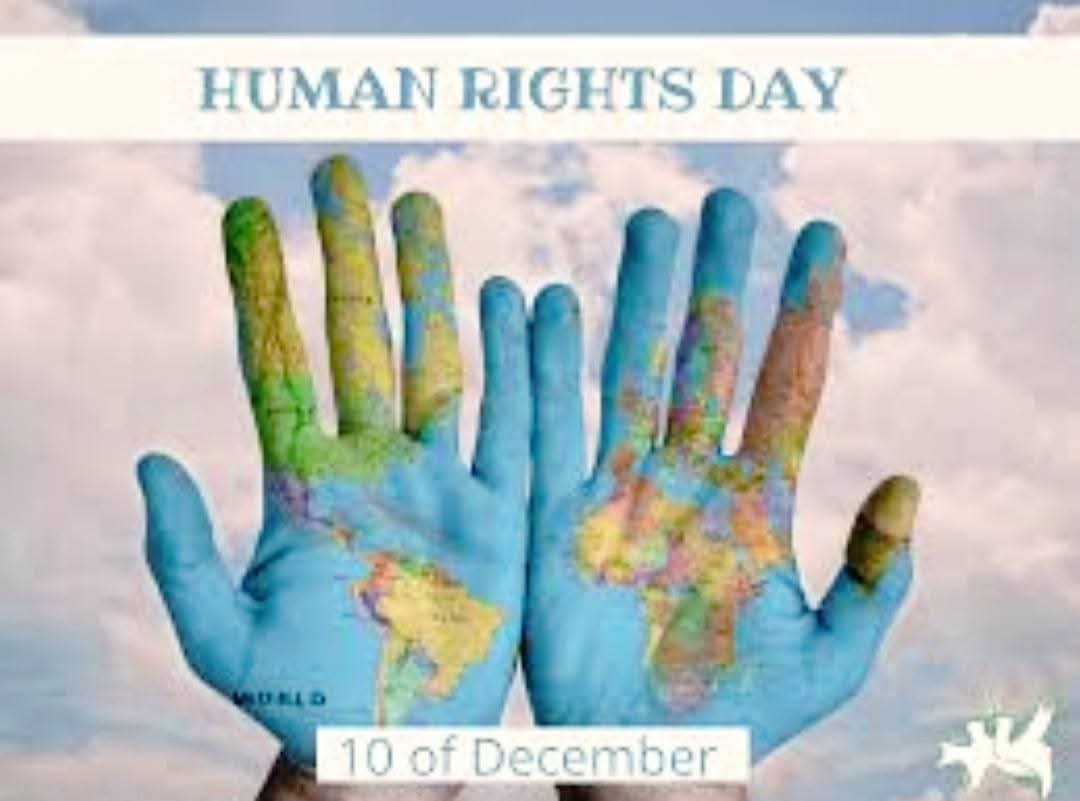
As global challenges intensify-from climate change and biodiversity loss to widening inequality-the message resonating across today’s programmes is clear: a healthy planet and just development are inseparable from the protection of human rights.