Kathmandu - The world is entering a period of heightened ecological stress that could significantly intensify conflict and displacement, according to the Ecological Threat Report (ETR) 2025 released by the Institute for Economics & Peace (IEP). The report provides one of the most comprehensive global assessments to date, analysing ecological pressures across 3,125 subnational regions in 172 countries and territories, covering more than 99 percent of the global population.
The report examines four interlinked ecological threats: water risk, food insecurity, exposure to natural hazards, and demographic pressure. Importantly, it also evaluates how these threats interact with societal resilience and levels of peace, offering critical insights into which regions are most vulnerable to instability and conflict.
Climate Change, Rainfall Patterns, and Conflict
One of the most striking findings of the 2025 edition, the sixth in the ETR series, is the strong relationship between changing rainfall patterns and conflict intensity. Using a newly introduced multi-year time series (2019-2024), the report shows that areas experiencing increasingly extreme wet and dry seasons record four times more conflict-related deaths on average than regions where rainfall has become more evenly distributed.
This volatility, the report notes, places immense strain on livelihoods dependent on agriculture and water availability, often exacerbating existing social and political tensions rather than creating conflicts outright.
Displacement Reaches Record Levels
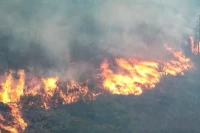
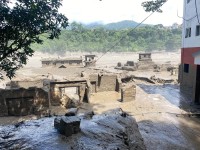
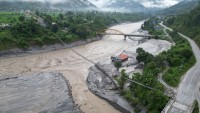
The scale of climate-related displacement has also reached alarming levels. In 2024 alone, natural hazards caused 45 million short-term internal displacements across 163 countries, the highest figure recorded since at least 2008. Floods, droughts, storms, and wildfires are emerging as key drivers of population movement, particularly in countries with limited adaptive capacity.
Regions Under Pressure
The report highlights sub-Saharan Africa as the region facing the most severe ecological threats, with Niger recording the worst overall ETR score globally. High population growth, food insecurity, water stress, and low resilience combine to create conditions where ecological shocks are most likely to translate into conflict and humanitarian crises.
Meanwhile, western Brazil, including parts of the Amazon basin, has experienced some of the sharpest increases in ecological threat levels worldwide. Temperatures in the region have risen at twice the global average, contributing to worsening drought conditions and more frequent wildfires - trends with global implications for biodiversity and climate stability.
In contrast, Central and Western Europe recorded notable improvements in ecological threat levels. According to the report, this partly reflects a recovery from the exceptionally dry conditions experienced in 2019, underscoring how short-term climatic extremes can significantly impact risk assessments.
Cooperation Over Conflict on Water
Despite growing concerns about future “water wars,” the ETR finds no examples of modern interstate wars fought exclusively over water resources. Instead, the report points to a history of cooperation, noting that at least 157 freshwater treaties were signed in the latter half of the 20th century.
According to IEP, this cooperation is driven by the shared understanding that the deliberate destruction of water supplies can result in societal collapse - a dynamic the report compares to nuclear deterrence, where the threat of catastrophic outcomes has incentivised restraint and collaboration.
Looking to 2050: Building Resilience Is Key
Looking ahead, the Ecological Threat Report projects trends out to 2050, warning that without targeted investment in resilience - particularly governance, food systems, and water management - many countries could see ecological stress emerge as a major driver of instability.
Rather than framing ecological threats as inevitable sources of conflict, the report argues they should be understood as risk multipliers that intensify underlying social, economic, and political weaknesses. As such, it calls for data-driven, preventive policy responses to strengthen coping capacities at national, subnational, and city levels.
By offering an impartial and evidence-based foundation, the ETR 2025 aims to support governments, international institutions, and civil society in prioritising resilience-building and conflict prevention in a rapidly changing climate.