Kathmandu / Global Desk - A major scientific reassessment has revealed that African Forest Elephants are more numerous than previously estimated, offering a cautiously hopeful update for one of the world’s most threatened megafauna. According to the African Forest Elephant Status Report 2024, the population of forest elephants across Central and West Africa is now estimated at around 135,690 individuals, a figure 16 percent higher than estimates published in 2016.
The revised numbers come not from guesswork, but from advanced DNA-based population analysis, addressing a long-standing challenge in elephant conservation. Unlike their savanna counterparts, African Forest Elephants inhabit dense tropical rainforests, making aerial surveys and direct counts largely ineffective. As a result, earlier population figures often relied on indirect indicators and informed assumptions.
The new assessment applies DNA capture-recapture techniques, a method increasingly used in wildlife science. Researchers collected dung samples across forest habitats and extracted genetic material to identify unique DNA “fingerprints” of individual elephants. By matching how often the same genetic markers appeared in repeated samples, scientists were able to calculate population size with far greater accuracy and confidence than before.
Conservation experts say the findings provide a clearer and more reliable picture of the species’ true status, though they stress the situation remains fragile. While poaching rates have declined in several regions since 2018-2019, illegal killing for ivory continues to pose a serious threat, particularly in parts of Central and West Africa where law enforcement remains weak.
African Forest Elephants, listed as Critically Endangered, play a vital ecological role by dispersing seeds and maintaining forest structure, making them key allies in climate regulation and biodiversity conservation. Their survival is closely linked to the health of Africa’s tropical forests, often described as one of the planet’s most important carbon sinks.
The report has been published by the IUCN African Elephant Specialist Group, under the IUCN Species Survival Commission, and is expected to inform future conservation strategies, funding priorities, and anti-poaching efforts across elephant range states.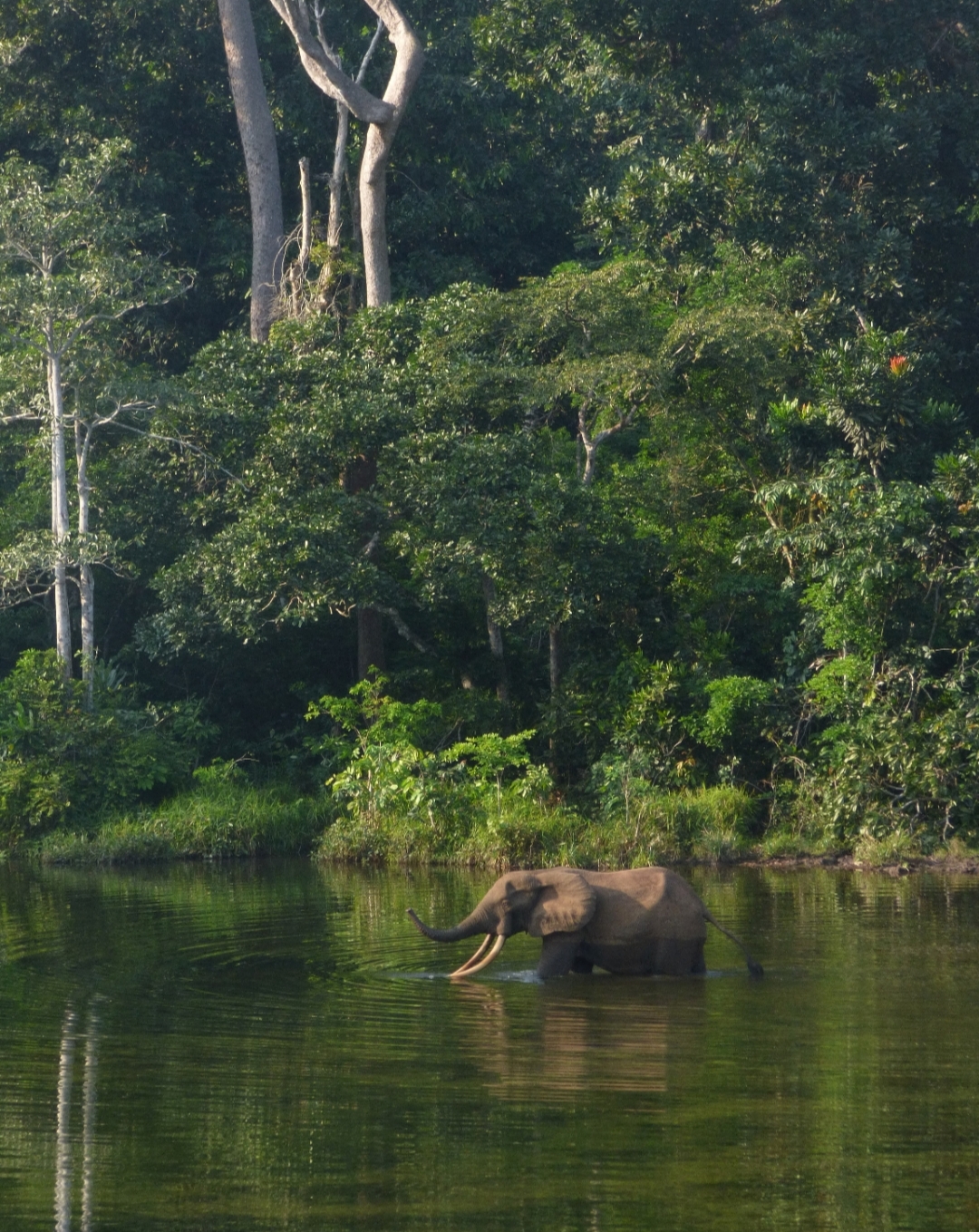
For conservationists, the findings are a reminder that better science leads to better protection-and that even amid ongoing threats, evidence-based approaches can uncover reasons for cautious optimism.