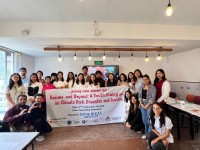
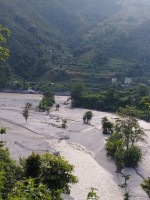
Kathmandu - A policy dialogue and stakeholder discussion focusing on wetlands and natural water fisheries was successfully concluded today in Nepal to mark World Wetlands Day 2026. The program brought together policymakers, conservation experts, researchers, and community representatives to reflect on the importance of wetlands and the traditional knowledge systems linked to them.
Held under the global theme “Wetlands and Traditional Knowledge: Celebrating Cultural Heritage,” the event emphasized that wetlands are not only ecological assets but also living cultural landscapes that support livelihoods, food security, and indigenous practices. Participants stressed that traditional knowledge-developed over generations-plays a critical role in sustaining wetland ecosystems and natural fisheries, particularly in a country like Nepal where many communities remain directly dependent on rivers, lakes, and marshlands.
The discussion focused on policy gaps, conservation challenges, and opportunities for integrating community-based knowledge into formal wetland and fisheries management frameworks. Speakers highlighted concerns such as habitat degradation, overexploitation of aquatic resources, climate change impacts, and declining fish biodiversity in natural water bodies. At the same time, they underscored the value of customary fishing practices, seasonal harvesting methods, and local stewardship systems that have historically ensured ecological balance.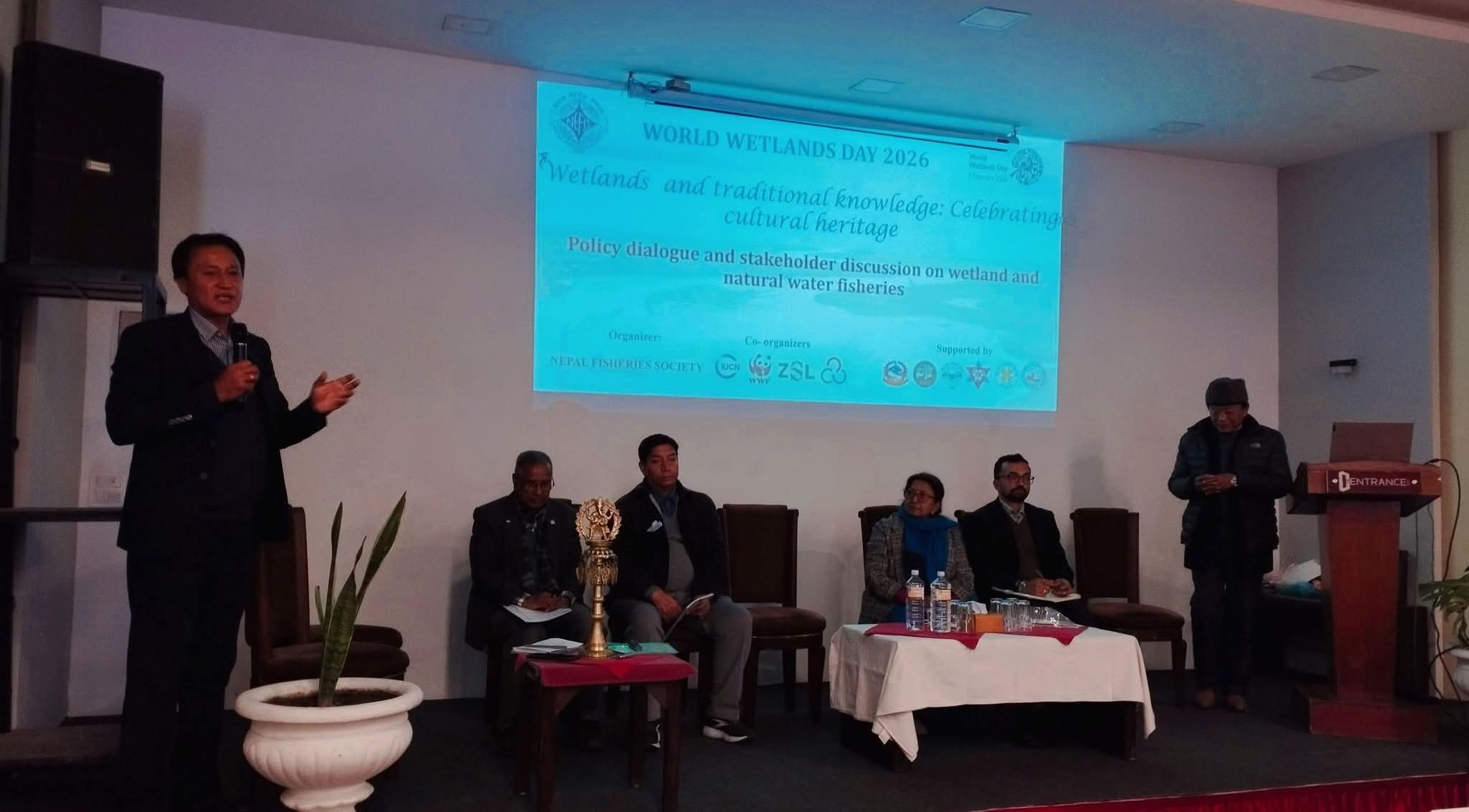
The program was organized by the Nepal Fisheries Society, with co-organization support from IUCN, WWF, and Zoological Society of London (ZSL), reflecting strong collaboration among national and international conservation institutions. Several government agencies, conservation organizations, and academic institutions supported the event, demonstrating growing recognition of wetlands as a national environmental priority.
Participants called for stronger policy coordination among federal, provincial, and local governments, greater inclusion of fisher and wetland-dependent communities in decision-making, and increased investment in research and conservation of natural water fisheries. The dialogue also reaffirmed Nepal’s commitment to global wetland conservation goals under the Ramsar Convention.
As World Wetlands Day 2026 concludes, stakeholders agreed that safeguarding wetlands requires not only scientific interventions but also respect for cultural heritage and traditional knowledge systems that have sustained these ecosystems for centuries.