Kathmandu - The nationwide voting for the Nepal General Election 2082 concluded peacefully yesterday, marking a significant democratic moment for the Himalayan nation. Millions of voters across urban centers, rural villages, and mountainous regions participated in electing representatives to the Federal Parliament of Nepal, demonstrating strong public engagement in shaping the country’s political and developmental future.
The election, organized by the Election Commission of Nepal, saw polling stations open from early morning until evening, allowing citizens from diverse geographical and social backgrounds to exercise their constitutional rights. Reports from various districts suggested orderly voting with strong turnout, particularly among young voters and first-time participants.
A Vote Beyond Politics
While elections traditionally focus on leadership and governance, this year’s voting carried deeper implications for environmental sustainability and national development. Nepal, home to the fragile Himalayan region, faces growing challenges including climate change, biodiversity loss, rapid urbanization, and increasing pressure on natural resources.
Environmental experts have long emphasized that political stability and responsible governance are essential to address these challenges. Policies related to hydropower development, forest conservation, climate resilience, sustainable tourism, and green infrastructure are expected to become key priorities for the newly elected parliament.
Youth Engagement Signals a Shift
One of the most notable features of the election was the active participation of youth voters, many of whom have been increasingly vocal about environmental protection, employment opportunities, and transparent governance. Over the past months, young citizens have used digital platforms, civic campaigns, and public discussions to highlight the importance of sustainable development in national policymaking.
Analysts suggest that this growing awareness may influence the agenda of the next government, pushing leaders to balance economic growth with ecological responsibility.
Development and Environmental Balance
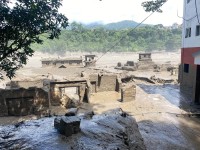
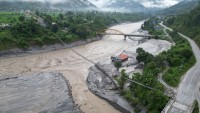
Nepal’s development path has long been tied to its natural resources-from rivers powering hydropower projects to forests supporting biodiversity and livelihoods. However, unmanaged infrastructure expansion, pollution, and climate-induced disasters such as floods and landslides continue to threaten both ecosystems and communities.
Experts argue that the next parliament must adopt science-based policies and strengthen environmental governance to ensure that development projects align with sustainability goals.
Global Significance
As a country situated between India and China, Nepal also plays an important role in regional environmental stability. The country’s glaciers, forests, and river systems are crucial for millions of people across South Asia. Therefore, decisions taken by the newly elected leadership will have implications beyond national borders.
The Road Ahead
With the voting process now complete, attention will turn to vote counting, coalition formation, and the eventual formation of a new government. For many observers, the election represents not only a political transition but also an opportunity to redefine Nepal’s development trajectory-one that safeguards nature while improving the livelihoods of its people.
For environmental advocates and development practitioners alike, the hope is clear: that the voices expressed through the ballot box will guide Nepal toward a greener, more resilient, and inclusive future.
#NepalElection2082 #NepalDemocracy #GreenDevelopment #ClimateAction #SustainableNepal #EnvironmentalGovernance #HimalayanEcology #EcosphereNews