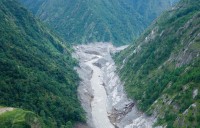
Kanchenjunga, Nepal - A community-driven conservation initiative in Nepal’s Kanchenjunga region, supported by the Kunming Biodiversity Fund (KBF) and facilitated by UNESCO, has drawn national and international praise for its transformative impact on mountain ecosystems and local livelihoods.
Implemented directly by local residents, the KBF project has become a showcase model of effective biodiversity protection, proving that empowered communities are vital to safeguarding Nepal’s fragile high-altitude landscapes. The initiative has established a community-powered biodiversity monitoring system within the Kanchenjunga Conservation Area - one of Nepal’s most ecologically important and increasingly visited regions.
Through this pioneering effort, local citizens have been trained and equipped to collect real-time ecological data on key and threatened species, including the snow leopard and red panda. This shift has turned residents from passive observers into active custodians of their natural environment, strengthening both conservation outcomes and community ownership.
Experts note that the success of the KBF project offers a replicable blueprint for other conservation landscapes across Nepal. By prioritizing grassroots leadership and shared governance, the model fosters sustainable tourism, enhances environmental stewardship, and supports long-term biodiversity resilience.
Stakeholders emphasize that moving forward, Nepal must prioritize collaborative conservation frameworks that place communities at the centre. Strengthening such systems, they argue, is not merely an option but a critical necessity for meeting national conservation goals and ensuring that the country’s natural heritage continues to thrive for generations.