Kathmandu, August 17, 2026: Nepal is observing Nag Panchami today, a traditional festival dedicated to the worship of Nag Devta, or serpent deities, revered across Hindu and Buddhist cultural traditions as symbols associated with water, fertility, protection and the forces of nature.
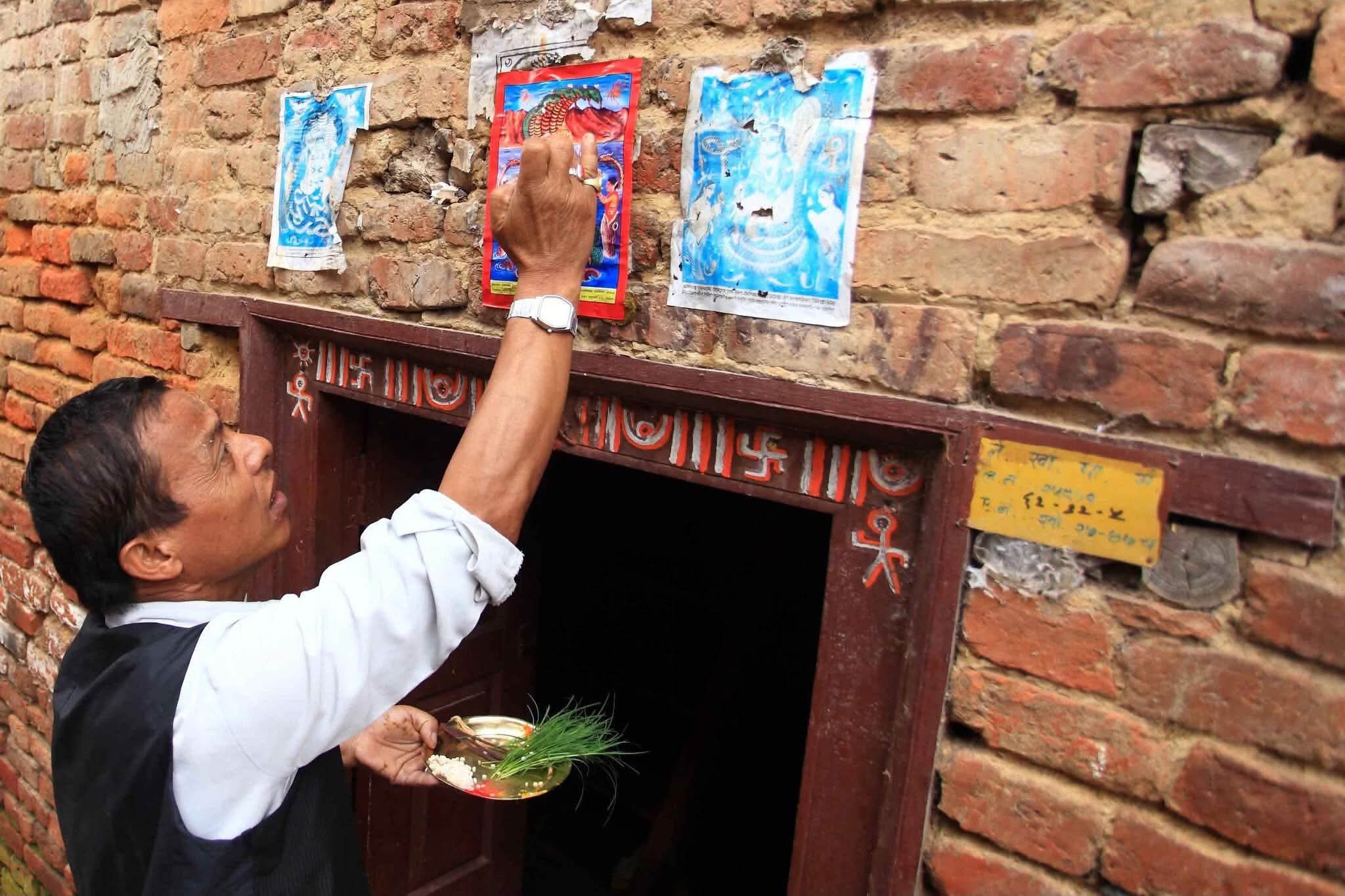
On this day, devotees across Nepal place images of Nag above the entrances of their homes and visit temples, ponds and other sacred water bodies to offer prayers, flowers, milk and traditional offerings.
In the Kathmandu Valley, important sites such as Nagpokhari, Taudaha and Nagdaha become focal points of religious observance, bringing together centuries-old beliefs, sacred landscapes and community traditions.
Nag Panchami is more than a religious festival. Its connection with serpents, water sources and the natural landscape reflects a long-standing cultural relationship between people and nature. In traditional belief, Nags are regarded as guardians of water and the environment, giving the festival an important ecological and cultural dimension.
At a time when wetlands, ponds and other natural water bodies face growing pressure from urbanisation, pollution and environmental degradation, such traditions also offer an opportunity to reflect on the importance of protecting the places that communities have considered sacred for generations.
For Nepal, Nag Panchami represents a living connection between faith, folklore, water, biodiversity and cultural heritage-a reminder that respecting nature is ultimately about respecting life itself.
For visitors, the festival offers a meaningful opportunity to experience Nepal beyond its mountains: a country where cultural traditions are deeply connected with landscapes, sacred places and the natural world.
Ecosphere News
Environment • Development • Culture • Sustainability
#NagPanchami #NagPuja #Nepal #VisitNepal #CulturalHeritage #LivingHeritage #ProtectNature #NatureAndCulture #NepalTourism #EcosphereNews