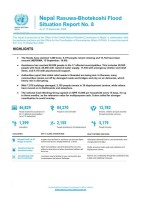
Gorkha, Nepal - The Government of Nepal has intensified search and rescue operations, emergency relief distribution, and reconstruction efforts following a devastating flood in the Budhi Gandaki River basin triggered by an avalanche on Siringe Himal on Sunday morning.
According to the information provided by the authorities, the avalanche blocked the Uingulung Khola, resulting in a sudden rise in the water level of the Budhi Gandaki River and causing extensive damage to settlements, infrastructure, and livelihoods in Gorkha and Dhading districts.
Early Warning and Rescue Operations
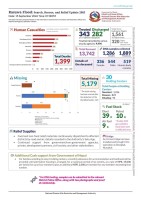
The river level at the Arughat water measurement station in Gorkha rose to 8.43 metres, significantly exceeding the danger level of 5 metres. In response, early warning messages were sent to approximately 200,000 people to alert them to the potential danger.
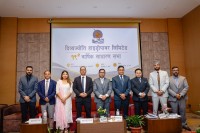
The National Disaster Risk Reduction and Management Authority (NDRRMA) immediately convened a meeting at its command post and initiated coordination for search and rescue operations.
Under the Authority's coordination, 703 security personnel were mobilised. A total of 314 people, including 19 foreign nationals, have been rescued, while search operations continue for five missing local residents.
Widespread Damage to Homes and Infrastructure
The flood has caused substantial damage across Gorkha and Dhading, affecting more than 200 houses and approximately 150 yaks, sheep, and goats.
Three motorable bridges and two suspension bridges have also been damaged. Other affected infrastructure includes the Manaslu trekking trail, the Gorkha-Dhading road, drinking water systems, schools, and hydropower facilities.
The damage has disrupted transportation, essential services, local livelihoods, and access to affected communities, highlighting the urgent need for coordinated relief and recovery efforts.
Emergency Supplies Delivered by Air
To support affected communities, the government has transported 4,270 kilograms of food supplies and 1,900 litres of aviation fuel from Kathmandu to Philim in Gorkha by air.
The delivery is part of ongoing efforts to provide essential supplies and support emergency response operations in areas where access by road has been disrupted.
Efforts Underway to Restore Road Connectivity
The government has accelerated reconstruction work to restore vital transportation links. Bailey bridge components have been transported from Hetauda to rebuild the bridge connecting Arughat and Salyantar, with construction work being expedited.
At Chhepare Bhir, teams are using an excavator to clear obstructions and reopen the Dobhan-Salleri road.
The government has set a target of reopening all blocked roads before the Dashain festival, which is particularly important for restoring mobility, facilitating the movement of essential goods, and enabling people to travel during the major Nepali festival.
Recovery and Preparedness Remain Critical
The disaster underscores the importance of effective early warning systems, rapid emergency response, resilient infrastructure, and coordinated disaster risk management in Nepal's mountainous regions, where avalanches, landslides, and sudden river surges can pose serious threats to communities.
As search operations continue and reconstruction work progresses, the immediate priorities remain locating missing people, delivering assistance to affected households, restoring essential services, and reconnecting communities isolated by damaged infrastructure.
Ecosphere News will continue to follow developments in the affected areas, including rescue operations, relief distribution, infrastructure restoration, and the broader implications for disaster preparedness and climate resilience in Nepal.
#Nepal #Gorkha #Dhading #BudhiGandaki #FloodDisaster #SiringeHimal #DisasterResponse #SearchAndRescue #EmergencyRelief #NDRRMA #DisasterRiskReduction #ClimateResilience #MountainCommunities #InfrastructureRecovery #NepalNews #EcosphereNews