Kathmandu, 16 October 2026 - As Nepal prepares to graduate from Least Developed Country (LDC) status, strengthening the competitiveness, productivity and resilience of export-oriented enterprises has emerged as a key priority for ensuring a smooth economic transition.
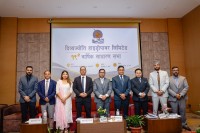
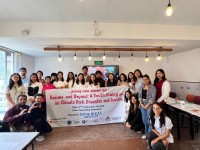
The International Labour Organization (ILO), through its Enhancing Decent Work and Productivity on the Textile and Garment Supply Chains for Nepal’s LDC Graduation Project, in collaboration with the Federation of Export Entrepreneurs Nepal (FEEN), organized a National Dialogue titled “Nepal’s LDC Graduation: Challenges and Opportunities for Export-Oriented Enterprises” in Kathmandu on 15 October 2026.
The dialogue brought together more than 60 participants, including export-oriented entrepreneurs, government representatives and other key stakeholders. It provided a platform for sharing experiences, discussing emerging challenges and identifying practical recommendations to help Nepalese enterprises prepare for the country’s transition from LDC status.
Strengthening competitiveness and export readiness
Discussions focused on the preparedness of export-oriented enterprises for the post-graduation economic landscape. Participants highlighted the importance of strengthening business competitiveness, diversifying export markets and enhancing collaboration among the government, private sector, development partners and other stakeholders.
For Nepal’s textile and garment industries, as well as other export-oriented sectors, the transition presents both opportunities and challenges. Changes in international trade preferences and market access conditions may increase competitive pressures for some products and businesses, making it important for enterprises to improve productivity, product quality, compliance with international standards and their ability to respond to changing market demands.
Nepal’s graduation from LDC status also underscores the need for stronger institutional support, effective trade policies, improved access to finance and technology, and greater investment in skills development. These measures can help enterprises remain competitive while creating and sustaining decent employment opportunities.
Collaboration vital for a smooth transition
The national dialogue emphasized that preparing for LDC graduation requires coordinated action and continued engagement among businesses, policymakers and development partners. Timely information, practical policy support and stronger public-private collaboration will be important in helping enterprises identify risks, adapt to changing trade conditions and capitalize on emerging export opportunities.
The ILO’s initiative places particular emphasis on decent work and productivity within textile and garment supply chains, recognizing that a successful transition should support not only export performance but also better working conditions and sustainable employment.
As Nepal approaches this important development milestone, continued dialogue and collaboration will be essential to help its export-oriented enterprises navigate the transition, strengthen their position in international markets and contribute to inclusive and sustainable economic growth.
#Nepal #LDCGraduation #InternationalLabourOrganization #ILO #FEEN #ExportPromotion #ExportOrientedEnterprises #InternationalTrade #TextileIndustry #GarmentIndustry #DecentWork #Productivity #PrivateSectorDevelopment #TradeCompetitiveness #SustainableDevelopment #EconomicGrowth #UnitedNationsNepal #EcosphereNews