Rasuwa, Nepal | October 18, 2026
Residents of Aamachhodingmo Rural Municipality in Rasuwa district have constructed a temporary wooden bridge using their own labour, skills and local resources to restore pedestrian access following the devastating Bhotekoshi floods of August 26. The community-led initiative highlights the resilience of local people as damaged roads and bridges continue to disrupt transportation, agricultural livelihoods and daily life.
With permanent infrastructure reconstruction still awaited, local representatives, community members, intellectuals and youths have joined hands to build the temporary crossing. The initiative aims to ease movement for residents who have faced prolonged transportation difficulties since the disaster.
According to local reports, the construction of temporary wooden bridges has been underway since October 10, with residents contributing voluntary labour to reconnect communities affected by the disruption. However, locals emphasise that these temporary arrangements cannot replace the need for safe, reliable and permanent infrastructure.
Farmers Face Mounting Losses as Market Access Remains Disrupted
The continuing disruption of road connectivity has created serious difficulties for farmers in Aamachhodingmo, where commercial vegetable farming is an important source of household income.
Cabbage, potatoes, beans and other agricultural products are ready for harvest, but farmers are struggling to transport their produce to markets. Local residents fear that significant quantities of vegetables could rot in the fields if transportation services are not restored in time.
Farmers have invested considerable money, labour and time in cultivation, expecting to earn income from their harvest. The interruption of market access now threatens their livelihoods, household finances and ability to recover from the disaster.
The situation underlines how damage to roads and bridges can create economic consequences far beyond the immediate physical destruction. For agricultural communities in remote mountain regions, reliable transport connectivity is essential for protecting farm income, maintaining local food supply chains and sustaining rural livelihoods.
Residents have therefore urged the government and concerned authorities to prioritise the restoration of road access and the reconstruction of damaged bridges so that agricultural products can reach markets without further delay.
Residents Call for Permanent Roads and Bridges
Although the temporary wooden bridge is expected to provide immediate relief for pedestrians, residents say a long-term solution is urgently needed.
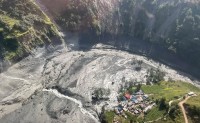
The August floods damaged critical transport infrastructure in Rasuwa, leaving communities isolated and making the movement of people and goods increasingly difficult. Local people have expressed frustration over the prolonged disruption and called for concrete action rather than further delays and assurances.
They have demanded that the government expedite the reconstruction of permanent roads and bridges, improve access to essential services and establish reliable transportation routes for affected settlements.
The community-led bridge construction demonstrates the willingness of local people to contribute directly to disaster recovery. However, residents maintain that the responsibility for restoring essential public infrastructure ultimately rests with the government and the relevant authorities.
Questions Raised Over Relief and Reconstruction Assistance
Residents have also raised concerns about the transparency and effectiveness of assistance collected in the name of flood and landslide victims.
With programmes and fundraising activities being organised at various monasteries in Kathmandu, local people have called for clear information about how the funds are collected, managed and distributed.
They have urged organisations and individuals involved in relief efforts to ensure that assistance reaches genuinely affected households and communities. Transparent financial reporting, fair distribution and accountability, they say, are essential to ensuring that support benefits those who need it most.
The concerns also highlight the importance of connecting immediate relief efforts with longer-term recovery measures, including livelihood restoration, infrastructure reconstruction and support for farmers whose crops and income have been affected.
Community Resilience Must Be Matched by Government Action
The construction of the temporary wooden bridge in Aamachhodingmo reflects the strength of community cooperation and local self-reliance in the face of disaster. By mobilising their own resources, residents have taken practical steps to address an urgent problem affecting their daily lives.
Nevertheless, community initiative alone cannot resolve the wider challenges created by damaged roads, disrupted supply chains and inadequate access to markets and services.
Residents are calling for four key actions: the urgent reconstruction of permanent roads and bridges, the restoration of safe transportation, support to help farmers market their agricultural produce, and the transparent delivery of relief assistance to genuine disaster victims.
For Aamachhodingmo, restoring connectivity is not simply an infrastructure issue. It is also a matter of protecting livelihoods, supporting economic recovery and ensuring that remote mountain communities are not left behind in the aftermath of disasters.
As residents continue to demonstrate their commitment through collective action, attention now turns to the government's response. The priority is to translate temporary community-led solutions into lasting infrastructure, stronger disaster recovery and renewed economic opportunities for the people of Rasuwa.
Ecosphere News will continue to highlight the challenges facing disaster-affected communities and the need for accountable, inclusive and resilient recovery.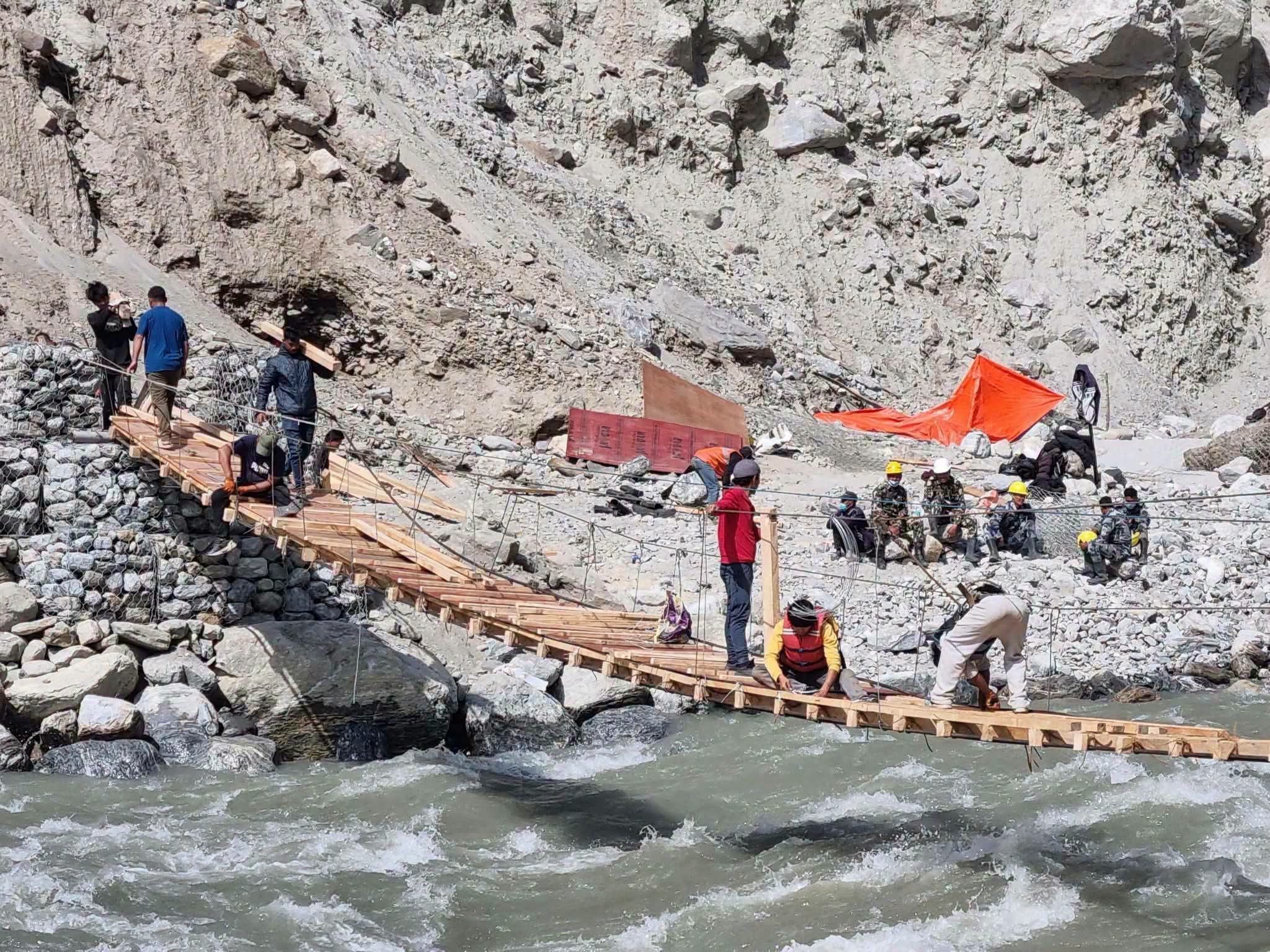
#Aamachhodingmo #Rasuwa #Nepal #BhotekoshiFloods #DisasterRecovery #ClimateResilience #RuralDevelopment #SustainableDevelopment #Agriculture #FarmersLivelihoods #InfrastructureDevelopment #CommunityResilience #DisasterRiskReduction #ClimateJustice #EcosphereNews