Kathmandu, 4 October 2026 - Stakeholders from local government, government agencies, waste management organizations, the private sector, civil society and informal waste workers have called for stronger recognition, participation, social protection and occupational safety for waste workers as Nepal works to build more gender-responsive and inclusive waste management systems.
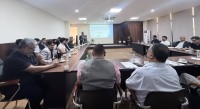
The call was made during a Stakeholder Consultation and Validation Meeting on Gender-Responsive and Inclusive Waste Management Systems in Nepal, organized by CREASION (Centre for Research and Sustainable Development Nepal) with support from the Basel, Rotterdam and Stockholm (BRS) Conventions and in partnership with GRID-Arendal, at Aranya Boutique Hotel in Kathmandu on 4 October.
The consultation was organized under the project “Enabling Gender-Responsive and Inclusive Waste Management Systems through Awareness-Raising and Capacity Building for Local Authorities in Nepal.” Representatives from Kathmandu Metropolitan City, the City Planning Commission, ward offices, government agencies, the private sector, waste management organizations, informal waste workers and civil society participated in the discussions.
The meeting focused on preliminary findings from the project's diagnostic assessment and explored practical measures to strengthen waste management systems through better institutional coordination, social inclusion, economic opportunities and improved occupational health and safety.
The preliminary assessment identified several important gaps, including limited institutional recognition and coordination of informal waste workers, inadequate participation of women and vulnerable groups, livelihood and market-access challenges, and insufficient access to appropriate personal protective equipment (PPE), health services, sanitation and safe working environments.
In her welcome remarks, Aruna Karki, President of CREASION, emphasized the interconnected nature of waste management and the importance of understanding challenges at the field level to develop practical and workable solutions.
Roshna Subedi, General Secretary of CREASION, presented an overview of the project and said the findings from the consultation would contribute to the development of a practical Diagnostic Brief and Toolkit for local authorities, as well as future awareness-raising and capacity-building activities.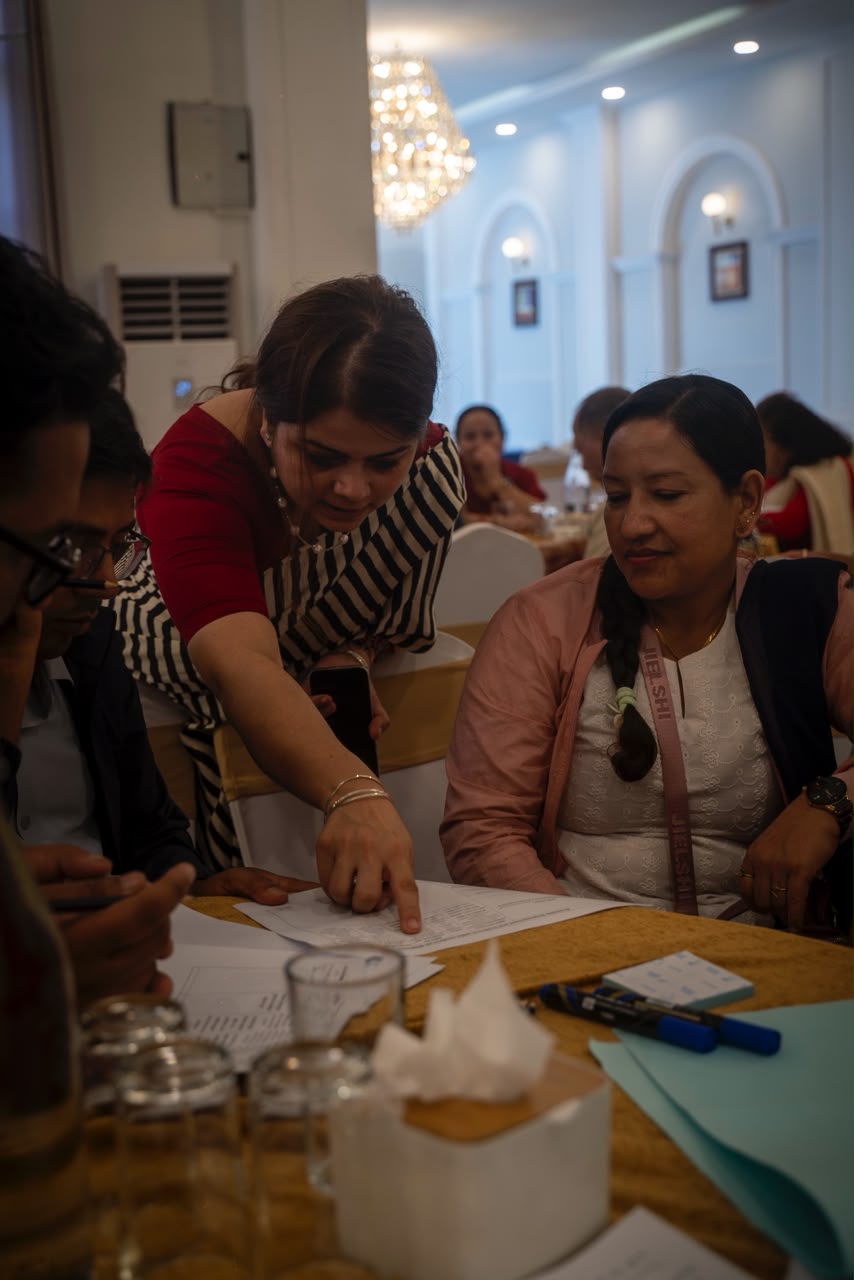
The consultation also included virtual participation from international partners. Susan Weingfiled, Programme Officer at UNEP, highlighted the essential contribution of waste workers, particularly women, to waste management systems. She stressed the importance of occupational safety, healthy environmental conditions and dignified work, while emphasizing that research should be translated into practical action through appropriate training and tools.
From GRID-Arendal, Ieva Rucevska, Senior Expert, Pollution, noted that waste management is closely connected with environmental and climate management and involves multiple actors throughout the waste chain. Maria Tsakona, Senior Expert, Waste and Marine Litter, emphasized the importance of incorporating field-level experiences into practical solutions and called for continued action after the consultation, with clearly defined roles for local and municipal authorities.
Presenting the preliminary findings, Subedi highlighted concerns surrounding the limited recognition of informal waste workers, weak coordination with authorities, inadequate participation of women and vulnerable groups, livelihood and market-access barriers, and gaps in PPE, healthcare, sanitation and safe working conditions.
Participants subsequently took part in group discussions covering four key areas: institutional and governance systems; social inclusion and participation; economic empowerment and livelihoods; and occupational health and safety.
The discussions identified the need for stronger formal recognition of waste workers, meaningful participation of women, improved social protection and health insurance, appropriate and user-friendly PPE, regular health camps, sanitation and menstrual health facilities, better coordination among stakeholders, and stronger municipal capacity.
Participants also emphasized that improving the situation of waste workers cannot be achieved through the distribution of PPE alone. They called for waste workers to have a meaningful role in decision-making, alongside improvements in working conditions and stronger social and economic protection.
Closing the consultation, Ram Prasad Bhattarai, Engineer at the Environment Management Department of Kathmandu Metropolitan City, stressed that an inclusive waste management system requires ownership and collaboration among all stakeholders.
He highlighted the importance of raising awareness and effectively implementing waste segregation, recycling and upcycling policies, while recognizing waste workers as essential actors within the waste management system. He also emphasized the need for household-level source segregation and for changing the perception of waste from something to be discarded into a potential resource.
The consultation concluded with a shared commitment to move from discussion towards practical action. Inputs gathered from stakeholders will contribute to the project's Diagnostic Brief and Toolkit, with a focus on strengthening municipal capacity and promoting greater recognition, safety, dignity, participation and livelihood opportunities for waste workers.
The meeting reinforced a central message: building a truly inclusive and gender-responsive waste management system requires collaboration across the entire waste chain-from households and waste workers to municipalities, government agencies, businesses, civil society and development partners.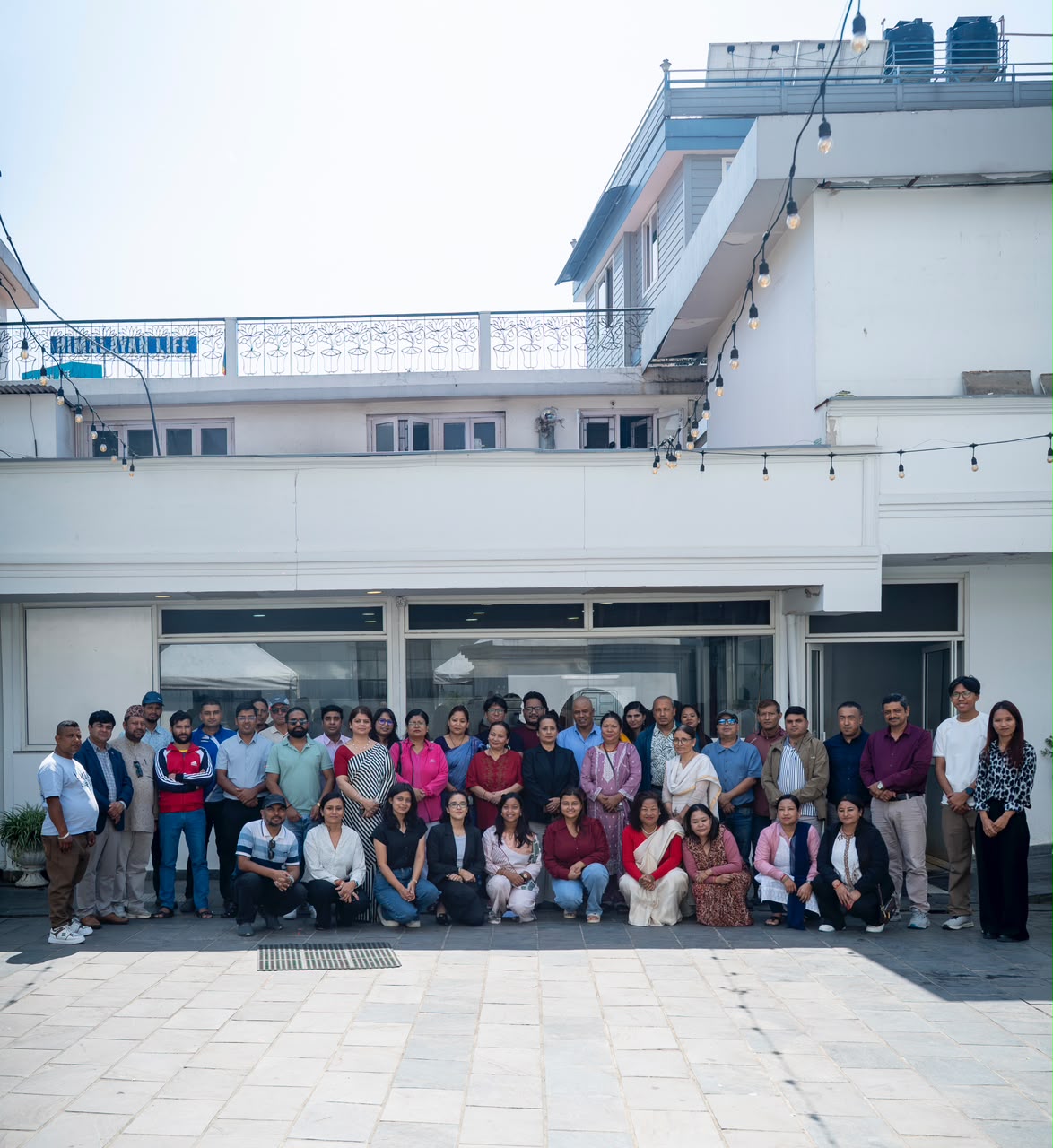
#WasteManagement #GenderResponsive #InclusiveWasteManagement #Nepal #Kathmandu #WasteWorkers #InformalWasteWorkers #GenderEquality #OccupationalSafety #DecentWork #CircularEconomy #WasteSegregation #Recycling #Upcycling #ClimateAction #EnvironmentalSustainability #CREASION #GRIDArendal #UNEP #BRSConventions #LocalGovernance #EcosphereNews