Kathmandu, Aug. 1 (Ecosphere News) - Nepal continues to stand out as one of South Asia’s most distinctive sovereign nations, celebrated for its extraordinary Himalayan landscapes, rich cultural heritage, and remarkable ethnic diversity.
Nestled between China’s Tibet Autonomous Region to the north and India to the south, east, and west, Nepal is a landlocked country that stretches across the central Himalaya. Despite its relatively small geographic size, the country holds immense global importance for both mountain ecosystems and cultural heritage.
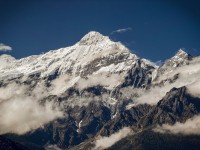
Nepal is internationally renowned for containing eight of the world’s ten highest mountains, including Mount Everest (Sagarmatha), the highest peak on Earth at 8,848.86 metres. These mountains form part of the northern Himal region, which attracts thousands of trekkers, climbers, researchers, and nature enthusiasts from around the world every year.
Three Distinct Geographic Regions
The country’s landscape is traditionally divided into three major east-west topographical belts:
Himal (Mountain Region): Characterized by snow-capped peaks, glaciers, alpine ecosystems, and world-famous mountain ranges such as Everest, Kanchenjunga, and Annapurna.
Pahad (Hill Region): Known for its terraced hillsides, river valleys, forests, and urban centres including Kathmandu and Pokhara, which are major tourism and cultural hubs.
Terai (Plain Region): A fertile subtropical lowland important for agriculture, biodiversity, and wildlife conservation, including protected areas such as Chitwan National Park, a UNESCO World Heritage Site.
Capital and Demographic Diversity
Nepal’s capital, Kathmandu, lies within the historic Kathmandu Valley, home to several UNESCO World Heritage Sites, including ancient temples, stupas, palaces, and traditional Newari settlements.
With a population of around 30 million people, Nepal is one of the world’s most culturally diverse countries. The nation officially recognizes Nepali as its official language, while English is widely used in education, tourism, business, and international communication. More than 140 ethnic groups and over 120 languages contribute to Nepal’s rich social mosaic.
Birthplace of the Buddha
Nepal holds profound spiritual significance for millions of people worldwide as the birthplace of Siddhartha Gautama Buddha in Lumbini, located in the southern Terai region. The country is also a major centre for both Hinduism and Buddhism, and these traditions shape much of its daily life, architecture, rituals, and cultural identity.
Festivals such as Dashain, Tihar, Buddha Jayanti, and numerous regional celebrations reflect the country’s deep-rooted traditions and communal harmony. Nepal is equally famous for its pagoda-style temples, Buddhist stupas, monasteries, and intricate Newari wood-carving craftsmanship, which continue to attract historians, pilgrims, and cultural tourists from across the globe.
Tourism, Environment, and Global Relevance
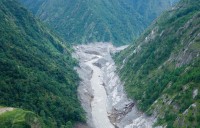
Beyond its cultural treasures, Nepal plays a crucial role in the Himalayan ecological system, often referred to as the “water tower of South Asia.” Its glaciers and rivers support downstream communities across the region, making climate change, glacier retreat, and sustainable mountain development issues of both national and international concern.
Tourism remains a vital pillar of Nepal’s economy, with mountaineering, trekking, wildlife tourism, adventure sports, and spiritual tourism contributing significantly to employment and foreign exchange earnings.
As Nepal balances economic development, environmental conservation, and cultural preservation, the country continues to project a unique identity - one that combines the world’s highest mountains, extraordinary biodiversity, and centuries-old living traditions within a remarkably diverse democratic society.
#EcosphereNews #Nepal #Kathmandu #MountEverest #Himalayas #VisitNepal #Lumbini #Buddha #CulturalHeritage #UNESCO #SustainableTourism #MountainNation #Biodiversity #ChitwanNationalPark #SouthAsia #ClimateAction #NatureAndCulture #HimalayanEcosystems #TravelNepal #GlobalHeritage