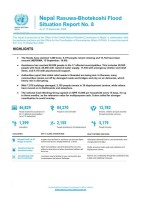
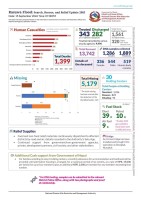
Kathmandu, Nepal - Nepal is facing one of its most challenging monsoon periods in recent years, as relentless rainfall continues to trigger floods, landslides, and widespread infrastructure damage across the country. According to official data from the National Disaster Risk Reduction and Management Authority (NDRRMA), the ongoing monsoon-related disasters have claimed 127 lives and injured 773 people, while thousands of families have been affected by the escalating crisis.
The humanitarian impact continues to grow as heavy rainfall over the past 24 hours resulted in at least three additional fatalities, including a four-month-old infant in Dolakha and a woman in Jajarkot. Authorities report that more than 3,722 families have been severely affected or displaced by landslides, flash floods, and damage to homes and public infrastructure.
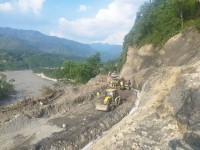
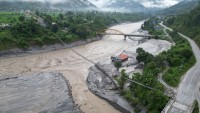
Transportation networks across Nepal have suffered major disruptions. The strategically important Narayangadh–Muglin Highway, a key trade and travel corridor linking Kathmandu with southern and western Nepal, has been closed after massive landslides at Seti Dobhan and continuous rockfalls at Tuin Khola blocked traffic in both directions. Landslides and flood-related damage have also disrupted movement at more than 15 critical highway locations nationwide, causing significant travel delays and isolating communities.
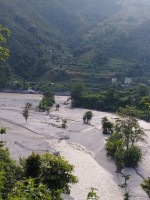
In eastern Nepal, flooding at Nawa Khola has submerged sections of the Tamor Corridor, cutting off an important route connecting Dharan, Dhankuta, Panchthar, and Taplejung. Meanwhile, in Gandaki Province, intense flooding along the Modikhola River washed away parts of the road near Seuli Bazaar, forcing the closure of the popular Nayapul–Birethanti–Ghandruk route, a major access road for tourism and trekking activities.
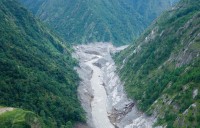
The impact of the monsoon is also being felt in urban areas. In the Kathmandu Valley, heavy rainfall has caused localized flooding and waterlogging in several neighborhoods, including Anamnagar. The Department of Hydrology and Meteorology (DHM) has issued high-alert warnings as water levels continue to rise in major river systems, including the Bagmati, Bishnumati, Dhobikhola, Hanumante, and Manohara rivers.
The Bagmati River reached its highest level of the year at the Padheradovan hydrological station in Nunthar, recording a water level of 3.90 meters, raising concerns about further downstream flooding.
Authorities have also warned of heightened flash flood risks across Nepal’s southern plains. Communities located below the Mahendra Highway in districts such as Bara, Parsa, Rautahat, Kapilvastu, Rupandehi, Banke, Bardiya, Kailali, and Kanchanpur remain particularly vulnerable as swollen rivers and continued rainfall threaten widespread inundation.
In response, the Government of Nepal has mobilized the Nepal Army, Armed Police Force, and Nepal Police for emergency rescue and evacuation operations. Disaster management agencies have urged residents to avoid unnecessary travel, especially in flood- and landslide-prone areas, and to closely monitor official weather advisories. Citizens are also encouraged to use the national early-warning and emergency hotline 1155 for real-time updates and safety information.
Climate experts note that Nepal’s increasing exposure to extreme weather events highlights the urgent need for resilient infrastructure, improved watershed management, effective land-use planning, and strengthened disaster preparedness systems. As the monsoon season continues, authorities remain on high alert, with forecasts indicating the possibility of further heavy rainfall in several regions.
For thousands of families across Nepal, the coming days will be critical as rescue efforts continue and communities brace for additional monsoon-related hazards.
#NepalMonsoon #FloodsInNepal #Landslides #ClimateCrisis #DisasterRiskReduction #NDRRMA #ExtremeWeather #Monsoon2026 #FloodRisk #ClimateResilience #Kathmandu #TeraiFloods #InfrastructureCrisis #EmergencyResponse #EcosphereNews