Mugu, Nepal - A massive gabion retaining wall constructed to protect Rara Airport in the Himalayan district of Mugu from landslides and soil erosion has emerged as a critical safeguard for one of Nepal’s most important mountain air gateways.
Built to reduce the risks posed by monsoon-induced landslides, soil erosion, and falling rocks from the surrounding steep terrain, the structure is expected to significantly enhance the long-term safety and operational reliability of the airport. Rara Airport serves as the primary aerial gateway to Rara Lake, Nepal’s largest lake and one of the country’s most popular tourism destinations.
According to Rara Airport Project Chief Mahesh Nepali, although the newly completed structure has substantially reduced the immediate threat of slope failures, several areas around the airport remain vulnerable to landslides. He emphasized the need for additional slope stabilization and protection measures to ensure comprehensive safety across the airport’s surroundings.
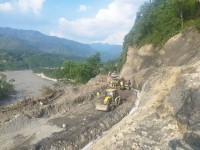
The gabion wall was constructed at a total cost of approximately NPR 196.9 million and took nearly four years to complete. Rising to a height of around 19.95 metres, the wall is built using stone-filled wire mesh baskets, a widely used engineering solution for slope stabilization and erosion control in mountainous regions. Such structures help reduce the impact of heavy rainfall, manage runoff, and prevent soil and rock movement from threatening critical infrastructure.
Airport authorities noted that the wall was specifically designed to protect the runway and other airport facilities from debris, soil, and rocks descending from the steep hillside above the airport. Local residents have long reported recurring problems during the monsoon season, when soil erosion and rockfalls frequently occurred around the airport area, sometimes affecting air transport operations and raising safety concerns.
As a vital transportation hub for local residents, government employees, patients, and tourists, Rara Airport plays a crucial role in maintaining connectivity in Mugu. Despite ongoing expansion of the road network, year-round reliable transportation remains a challenge in the remote Himalayan district, making air services indispensable for many communities.
Stakeholders have stressed that the effectiveness of the newly constructed wall will depend on regular monitoring, maintenance, and the expansion of protective measures to other high-risk zones. With climate change contributing to increased rainfall variability, landslides, and soil erosion across Nepal’s mountainous regions, experts warn that safeguarding critical infrastructure such as airports will require sustained investment and long-term planning.
The Rara Airport protection project highlights the growing importance of climate-resilient infrastructure in Nepal’s Himalayan districts, where fragile landscapes and extreme weather events continue to pose significant challenges to development and connectivity.
#EcosphereNews #RaraAirport #Mugu #RaraLake #ClimateResilience #LandslidePrevention #InfrastructureSafety #SustainableDevelopment #MountainRegions #ClimateChange #NepalInfrastructure #DisasterRiskReduction #EnvironmentalProtection #AviationSafety #KarnaliProvince #GabionWall #ResilientInfrastructure #NepalNews #HimalayanRegion #EnvironmentalSustainability