Kathmandu, Nepal - A series of environmental developments reported across the world this week highlights the growing impacts of climate change, biodiversity loss, and the increasing urgency of international efforts to transition toward a more sustainable future.
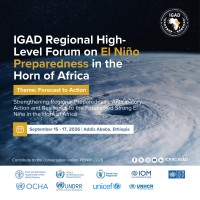
Scientists are raising concerns over the possibility of a strong El Niño event developing in the coming months. Recent climate model projections indicate a high likelihood of significant global warming anomalies associated with El Niño conditions, which could intensify extreme weather events, including heatwaves, droughts, floods, and disruptions to agriculture and food security in many regions. Researchers have warned that a powerful El Niño occurring alongside ongoing human-induced climate change could place additional pressure on already vulnerable ecosystems and communities.
Meanwhile, international climate diplomacy continues to advance. Preparations for COP31 have brought renewed attention to global electrification targets and clean energy transitions, with governments and policymakers emphasizing the importance of reducing dependence on fossil fuels and accelerating investments in renewable energy technologies. Such efforts are viewed as essential for achieving global climate goals and reducing greenhouse gas emissions.
Climate-related human displacement is also gaining attention. Reports from various regions indicate that environmental changes, including rising sea levels, droughts, and extreme weather events, are increasingly influencing migration patterns and creating challenges for affected populations. Experts stress the need for stronger international cooperation to address the growing issue of climate-induced displacement.
In Europe, policymakers are exploring measures to protect industries from future carbon-related costs while encouraging investments in cleaner technologies. These discussions reflect the broader global trend toward balancing economic development with climate commitments.
New scientific findings continue to reinforce concerns about the consequences of global warming. Recent research suggests that coastal flooding events that were once considered rare are becoming increasingly likely as sea levels rise and weather patterns change. Such developments pose significant risks to coastal communities, infrastructure, and ecosystems worldwide.
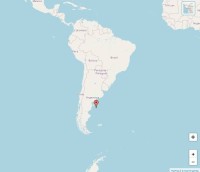
Perhaps one of the most alarming developments comes from Antarctica, where scientists have recorded exceptionally high winter temperatures. According to recent observations, temperatures exceeded 15°C in parts of the Antarctic Peninsula during an unusual winter heatwave, with some locations experiencing temperatures more than 20°C above seasonal averages. Researchers describe these conditions as highly unusual and indicative of the broader warming trends affecting the polar regions. The event has intensified concerns about the stability of Antarctic ice systems and their implications for future sea-level rise.
Biodiversity conservation also remains under pressure. New studies examining extreme rainfall events in Indonesia suggest that severe weather linked to changing climate conditions may have contributed to significant mortality among critically endangered great apes, highlighting the vulnerability of wildlife populations to climate-related disturbances.
Environmental analysts note that while these developments span different regions and sectors, they share a common message: climate change is increasingly influencing ecosystems, economies, public health, and human societies. They emphasize that coordinated global action, strengthened climate adaptation strategies, and accelerated emissions reductions will be critical in addressing the challenges ahead.
As the world moves toward another crucial phase of climate negotiations and environmental decision-making, the latest headlines serve as a reminder that the impacts of climate change are no longer distant projections but increasingly visible realities affecting communities and natural systems across the globe.
#ClimateChange #GlobalEnvironment #ElNino #COP31 #CleanEnergy #Electrification #ClimateAction #Antarctica #SeaLevelRise #CoastalFlooding #Biodiversity #WildlifeConservation #Sustainability #RenewableEnergy #EnvironmentalNews #EcosphereNews