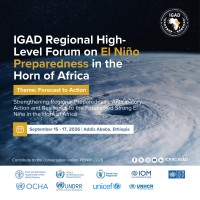
Kathmandu - Global climate forecasters have indicated a growing likelihood that El Niño conditions could re-emerge as early as May-July 2026, following the gradual weakening of La Niña. Scientists monitoring ocean temperatures in the Pacific say warming trends are consistent with the early stages of this climate pattern, which has historically influenced weather systems across the globe.
According to the World Meteorological Organization, there is a significant probability that neutral conditions will transition into El Niño in the coming months. This shift is part of the broader El Niño-Southern Oscillation, a recurring climate cycle that alters atmospheric circulation and ocean temperatures, ultimately affecting rainfall and temperature patterns worldwide.
Global Implications
If El Niño develops as projected, it is expected to contribute to above-average global temperatures, potentially pushing the planet closer to new heat records. Regions such as Australia, Indonesia, and parts of South and Southeast Asia may experience drier and hotter conditions, while other areas-including parts of the Americas and East Africa-could see increased rainfall and flooding.
Climate experts also warn that El Niño often disrupts agricultural cycles, water availability, and energy systems. Reduced rainfall in some regions can lead to droughts and lower hydropower generation, while excessive rainfall elsewhere increases the risk of floods and infrastructure damage.
Implications for Nepal
For Nepal, the return of El Niño raises concerns over the stability of the summer monsoon, which is crucial for agriculture, water resources, and energy production. Historically, El Niño years have been associated with weaker or irregular monsoon rainfall in South Asia, although the exact impact can vary.
A disrupted monsoon could affect:
Paddy cultivation and overall agricultural productivity
Drinking water supply in both urban and rural areas
Hydropower generation, a key energy source for the country
Experts emphasize that while El Niño increases the probability of such impacts, it does not guarantee a uniform outcome, and localized weather variations remain possible.
Need for Preparedness
With early signals emerging, climate scientists and policymakers are urging governments and stakeholders to strengthen preparedness measures. This includes improving weather forecasting systems, planning for water resource management, and supporting farmers with climate-resilient practices.
As climate variability intensifies under global warming, events like El Niño are becoming increasingly significant, underscoring the need for proactive adaptation and resilience strategies at both national and global levels.
#ElNino2026 #ClimateChange #GlobalWarming #MonsoonImpact #NepalWeather #EnvironmentalNews #EcosphereNews #ClimateCrisis #SustainableFuture #WeatherAlert