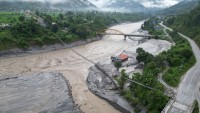
Kathmandu, Nepal - As the impacts of climate change intensify globally, experts are increasingly emphasizing the urgent need for energy conservation and a rapid transition to renewable energy sources to mitigate rising temperatures and environmental degradation.
Driven primarily by greenhouse gas emissions from fossil fuels, global warming continues to threaten ecosystems, biodiversity, and human livelihoods. In response, energy efficiency and clean energy adoption are being recognized as practical and scalable solutions for both developed and developing nations, including Nepal.
Energy conservation remains one of the most immediate and cost-effective strategies. In residential sectors, simple measures such as sealing air leaks, improving insulation, installing programmable thermostats, and adopting energy-efficient appliances significantly reduce energy consumption. The use of certified efficient technologies-such as ENERGY STAR-rated products-can further enhance household energy performance while lowering utility costs.
Behavioral changes also play a crucial role. Turning off unnecessary lighting, maximizing natural daylight, unplugging idle electronics, and using ceiling fans instead of air conditioning are small yet impactful actions that collectively contribute to lowering energy demand.
At the industrial level, upgrading to high-efficiency machinery, such as IE3 motors, and improving thermal efficiency in power generation systems can significantly cut energy waste and emissions. These improvements not only reduce operational costs but also support national climate goals.
Transitioning to renewable energy sources-such as solar and wind power-is equally vital. Unlike fossil fuels, renewable energy generation produces little to no greenhouse gas emissions, making it a cornerstone of long-term climate mitigation strategies. Countries like Iceland and Costa Rica have already demonstrated that near 100 percent renewable electricity systems are achievable. Nepal, with its abundant hydropower potential, is also making steady progress toward cleaner energy systems.
Beyond emission reductions, energy conservation contributes to protecting biodiversity. Reduced reliance on fossil fuels lowers habitat destruction and pollution, while community-led conservation-particularly involving indigenous populations-helps preserve ecosystems that act as natural carbon sinks.
Experts highlight that the combination of technological innovation and lifestyle changes is essential for building a sustainable, low-carbon future. Smart technologies, energy-conscious urban planning, and responsible consumption patterns are expected to define the next phase of climate action.
As nations strive to meet global climate targets, coordinated efforts in energy conservation and renewable energy adoption will be critical-not only to reduce environmental impacts but also to ensure economic resilience and long-term sustainability.
#ClimateChange #EnergyConservation #RenewableEnergy #Sustainability #CleanEnergy #NetZero #GreenFuture #Nepal #GlobalWarming #EcoFriendly #EcosphereNews