Kathmandu / Canberra, March 27, 2026
Australia is experiencing a sharp and unsettling shift in climate patterns, where devastating bushfires and extreme heat are being followed-sometimes within weeks-by widespread flooding and storm emergencies. Scientists and policymakers warn that this growing volatility signals a deeper, systemic imbalance driven by climate change.
A Summer of Extremes
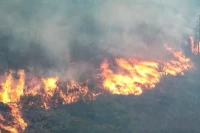
The 2025-2026 summer season brought record-breaking heatwaves across large parts of Australia, pushing temperatures toward historic highs and creating catastrophic fire conditions. Multiple states battled prolonged bushfires, with communities facing evacuations, infrastructure damage, and ecological loss.
Fire authorities reported that the intensity and duration of these events were not typical. The scale of simultaneous fires and their persistence reflect a climate system under stress—one that is increasingly influenced by rising global temperatures.
From Flames to Floods
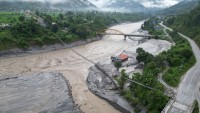
In a dramatic reversal, February and March saw half the country placed on flood watch, as heavy rainfall systems, tropical cyclones, and unstable atmospheric conditions triggered widespread flooding.
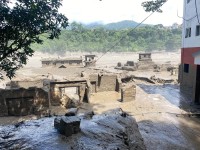
Regions that had only recently faced fire emergencies were suddenly dealing with flash floods, landslides, and water damage, complicating recovery efforts and exposing communities to back-to-back disasters.
This rapid shift-from drought and fire to intense rainfall-is now being described as “climate whiplash”, a phenomenon where weather patterns swing violently between extremes.
The Science Behind the Swings
Climate scientists explain that a warming atmosphere holds more moisture and energy. This leads to:
Hotter, drier conditions that intensify bushfires
Heavier rainfall events when weather systems shift
These overlapping hazards-also known as compound climate events-are becoming more frequent, making disaster response more complex and costly.
Rising Costs, Growing Risks
The economic toll of these extremes is escalating. Insurance losses are mounting, and an increasing number of households in high-risk zones are facing unaffordable or unavailable coverage.
Local governments and advocacy groups are now calling for stronger accountability, including proposals to hold major fossil fuel polluters financially responsible for climate-related damages.
A Warning to the World
Australia’s experience is increasingly seen as a preview of global climate realities. The convergence of heatwaves, wildfires, and floods within a single season highlights the urgent need for:
Rapid reductions in greenhouse gas emissions
Stronger climate adaptation and disaster preparedness systems
Resilient infrastructure and community-level planning
The Bigger Picture
What is unfolding in Australia is not an isolated crisis-it is part of a broader global trend where climate extremes are no longer rare or separate events, but interconnected shocks.
As scientists continue to warn, the window to prevent further escalation is narrowing. Without decisive action, such cycles of destruction could become the new normal-not just for Australia, but for vulnerable regions worldwide.
#ClimateChange #Australia #ClimateCrisis #ExtremeWeather #Bushfires #Floods #ClimateWhiplash #GlobalWarming #DisasterRisk #EcosphereNews