Kathmandu, Nepal - Nepal is likely to experience below-average rainfall during the upcoming monsoon season, raising serious concerns over drought conditions, agricultural losses, and declining groundwater recharge, according to projections from the Department of Hydrology and Meteorology (DHM).
The DHM has forecast that most parts of the country will receive less rainfall than the seasonal average, while both maximum and minimum temperatures are expected to remain above normal. The outlook signals increased climate stress on agriculture-dependent communities and fragile ecosystems across Nepal.
Rising concern over agricultural and water security
Meteorologists warn that reduced monsoon rainfall could directly impact paddy cultivation and other staple food crops, which rely heavily on seasonal precipitation. Lower rainfall is also expected to affect groundwater replenishment, potentially worsening drinking water shortages in several regions.
Climate experts have linked the shifting monsoon behavior to broader climate change impacts, including irregular rainfall distribution and rising temperature trends. According to the DHM, abnormal atmospheric patterns influenced by El Niño-like conditions and the Indian Ocean Dipole are contributing to suppressed rainfall during the core monsoon months.
Meteorologist Vibhuti Pokharel noted that Nepal’s rainfall system is becoming increasingly unpredictable. He explained that while La Niña conditions typically support stronger monsoon rainfall, this season shows a contrasting pattern, increasing the likelihood of dry spells during critical agricultural periods.
Changing monsoon patterns in Nepal
Traditionally, Nepal’s monsoon runs from mid-June to mid-September, bringing steady rainfall essential for farming. However, in recent years, this pattern has shifted, with reduced rainfall during the core monsoon months and delayed or extended rainfall events occurring around the festival season of Dashain and Tihar.
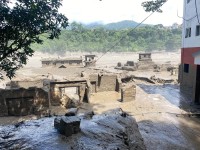
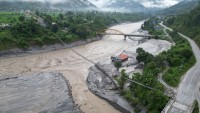
Experts say this delay and uneven distribution of rainfall has increased the risk of both drought and sudden flood events within the same seasonal cycle-highlighting growing instability in Nepal’s climate system.
Regional rainfall outlook
The forecast shows significant regional variation:
55% to 65% below-average rainfall is expected in southern Karnali, most of Lumbini, eastern Madhesh, and southern Koshi.
45% to 55% below-average rainfall is likely in most parts of Sudurpaschim, western Madhesh, and central Koshi.
Northern regions of Karnali and Koshi may receive closer to normal rainfall, though still with variability.
Most remaining areas are also expected to experience below-average precipitation.
Rising temperatures add further pressure
Alongside reduced rainfall, temperatures are projected to rise across the country. Several provinces-including parts of Sudurpaschim, Karnali, Lumbini, Gandaki, Bagmati, Madhesh, and Koshi-are likely to experience above-average heat conditions during the monsoon period.
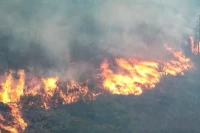
Authorities warn that the combination of heat stress and reduced rainfall could intensify drought conditions, affecting both rain-fed agriculture and water availability.
Climate vulnerability and policy concern
The DHM has urged government agencies and stakeholders to remain alert and prepare mitigation strategies, particularly in agriculture and water resource management. Experts emphasize the need for adaptive planning as climate variability becomes more frequent and severe in Nepal.
With monsoon patterns becoming increasingly unpredictable, Nepal faces a growing challenge in balancing agricultural needs, water security, and disaster risk management in a warming climate.
#NepalClimate #Monsoon2026 #DroughtRisk #ClimateChangeNepal #WaterSecurity #AgricultureNepal #HydrologyAndMeteorology #EcosphereNews #ClimateAdaptation #MonsoonUncertainty