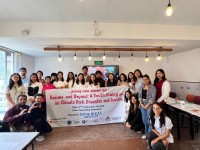
Lalitpur - A federal-level learning event on Locally Led Adaptation (LLA) and policy coherence between climate change adaptation (CCA) and disaster risk reduction and management (DRRM) has successfully concluded today in Lalitpur. Organized under the UK-funded Resilience, Adaptation and Inclusion in Nepal (RAIN) Programme, the event brought together policymakers, development partners, and local government representatives to reflect on lessons learned and identify a clear path forward for strengthening climate resilience in Nepal.
The event focused on improving alignment between national policies and local implementation, particularly through locally led approaches.
Key Discussions on Policy Coherence
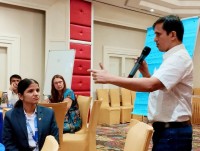
The first panel session centered on enhancing coherence between CCA and DRRM frameworks. Experts from Mott MacDonald and DCA in Nepal shared insights on bridging policy gaps and strengthening coordination across sectors.
Panelists, including Pratap Kumar Pathak, Prem Narayan Kandel, and Sanot Adhikari, highlighted the urgent need for stronger institutional mechanisms and sustainable financing. The session was facilitated by Banshi Acharya, who emphasized linking national strategies with local realities.
A major concern raised during the discussion was the significant funding gap in climate action, with experts noting that up to 90 percent of required financing remains unmet.
Lessons Learned and Way Forward
A second panel discussion engaged representatives from provincial ministries, municipalities, and federal agencies, focusing on lessons learned and actionable strategies to institutionalize LLA within Nepal’s governance systems.
Participants underscored:
The need for stronger coordination across all levels of government
Increased investment in local capacity building
The importance of evidence-based and inclusive policy frameworks
Santa BK from Shivaraj Municipality highlighted that the RAIN programme has fostered meaningful collaboration with communities and local governments.
Similarly, Kalpana Kumari Katwal of Barahathawa stressed that co-designed interventions reflecting community voices ensure long-term sustainability and ownership.
From the donor perspective, Ugan Manandhar noted that locally led adaptation promotes inclusion, strengthens ownership, and supports sustainable financing mechanisms.
A Collective Commitment to Climate Resilience
The conclusion of the event reinforced a shared commitment among stakeholders to advance coherent, inclusive, and locally driven climate action in Nepal. The RAIN Programme continues to play a vital role in supporting early warning systems, early action mechanisms, and nature-based solutions, particularly in climate-vulnerable regions such as Madhesh and Lumbini provinces.
As Nepal faces increasing climate risks, the event highlighted that effective solutions will depend on aligning policies with grassroots realities, ensuring adequate financing, and empowering local communities as key drivers of resilience.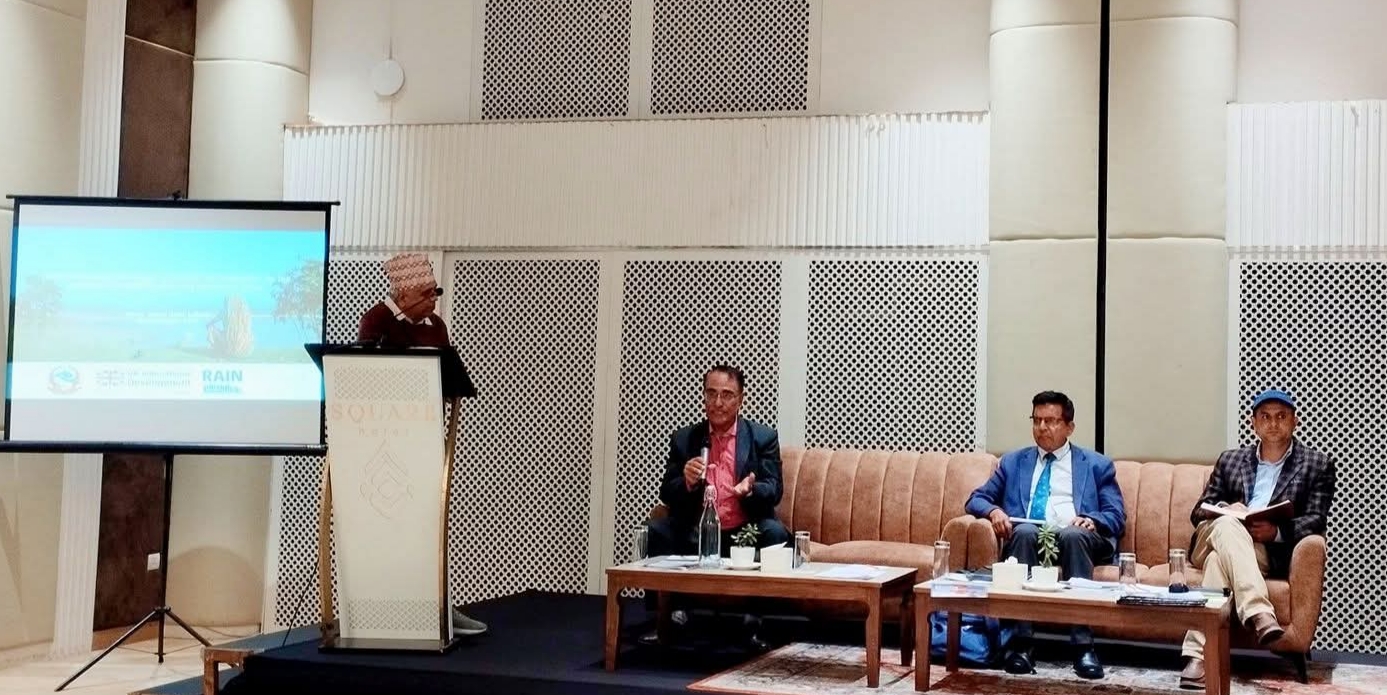
#ClimateResilience #Adaptation #LLA #DRRM #CCA #NbS #Nepal #RAINProgramme #ClimateAction #SustainableDevelopment