Kathmandu | Ecosphere News
As Nepal moves toward forming a new government with a near two-thirds majority, expectations are exceptionally high-not only in terms of political stability and economic delivery, but also in addressing one of the most pressing global challenges of our time: climate change. Among the many priorities, experts and observers stress that climate action must move to the center of national policy, backed by strong leadership and strategic diplomacy.
The role of the Ministry of Forests and Environment is expected to become more critical than ever. Analysts argue that the next minister must go beyond administrative capacity, bringing subject expertise along with strong communication and diplomatic skills to represent Nepal effectively on global platforms.
Youth Pressure and Rising Climate Expectations
Recent electoral trends indicate that young voters in Nepal are increasingly concerned about environmental degradation, pollution, and climate risks. Their growing awareness has translated into political expectations, pushing climate change higher on the national agenda. Addressing these concerns will require credible leadership that can connect domestic priorities with international commitments.
Nepal’s Climate Reality: High Risk, Low Emissions
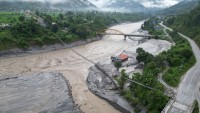
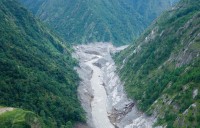
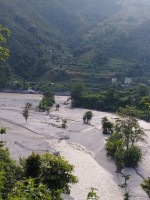
Despite contributing minimally to global carbon emissions, Nepal remains highly vulnerable to climate impacts. Rapid glacial melt, increasing risks of glacial lake outburst floods (GLOFs), erratic rainfall patterns, and stressed mountain ecosystems are already visible across the country.
However, Nepal’s engagement in climate diplomacy has yet to match the scale of these challenges. While the country has participated in international platforms through groups such as Least Developed Countries (LDCs) and the G-77, its efforts have not generated the level of global attention or climate finance seen in other vulnerable regions, such as small island nations.
Missed Opportunities in Climate Diplomacy
Initiatives like the “Sagarmatha Dialogue” have attempted to position the Himalayas within global climate discussions, but experts note a lack of continuity and strategic follow-through. Previous policy decisions-such as renaming the ministry to explicitly include climate change and forming a permanent climate negotiation team-have remained largely unimplemented, reflecting a gap between commitments and execution.
This inconsistency has weakened Nepal’s ability to present itself as a strong voice in international climate negotiations.
The Himalaya as a Global Agenda
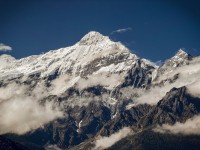
The Hindu Kush Himalayan region, often referred to as the “Third Pole,” holds the largest reserve of ice outside the polar regions and supports nearly two billion people downstream. Scientific evidence suggests that continued warming could significantly disrupt water security, agriculture, and energy systems across South Asia.
Experts emphasize that Nepal must position Himalayan conservation as a global concern-not just a national or regional issue. Doing so could strengthen Nepal’s bargaining power in international forums and help mobilize greater climate finance.
Regional Cooperation: From Challenge to Opportunity
Nepal’s geographic position offers a unique diplomatic opportunity to facilitate climate cooperation among major regional players, including China and India. While both countries are among the world’s largest carbon emitters, they are also global leaders in renewable energy.
Constructive engagement-focused on shared scientific research, glacier monitoring, early warning systems, and sustainable infrastructure-could transform regional climate risks into collaborative opportunities. However, such cooperation remains fragmented and underdeveloped.
Climate Finance and Economic Risks
One of Nepal’s most pressing challenges is securing adequate climate finance. Despite global commitments to support vulnerable countries, Nepal has struggled to attract funding proportional to its risk profile. Weak institutional capacity and limited diplomatic leverage have been identified as key barriers.
At the same time, the economic risks are mounting. Studies indicate that if current warming trends continue, Nepal’s GDP could decline significantly by 2050. Conversely, investing in clean energy and climate-resilient sectors could unlock new pathways for sustainable growth.
Leadership Will Define the Path Forward
Experts agree that Nepal’s response to climate change now depends heavily on leadership and long-term vision. Strengthening coordination among key ministries, building specialized climate diplomacy expertise, and developing bankable climate projects are seen as immediate priorities.
There is also a growing call for a dedicated and empowered institutional mechanism to address climate change holistically.
As the new government prepares to take shape, attention is turning toward leadership choices-particularly whether the administration will appoint a capable and forward-looking figure to lead Nepal’s climate agenda.
The coming days will reveal whether climate diplomacy will finally receive the political priority it demands.
#EcosphereNews #ClimateDiplomacy #NepalClimate #HimalayaCrisis #ClimateJustice #GreenEconomy #ClimateAction #SustainableNepal #YouthForClimate #GlobalClimate #EnvironmentalLeadership #ClimateFinance #ResilientFuture