Kathmandu’s ongoing challenge surrounding squatter settlements has once again come into focus, highlighting a complex intersection of legal enforcement, urban planning, public safety, and human rights. The issue, long debated in Nepal’s political and administrative circles, continues to raise questions about sustainable city development and the state’s responsibility toward vulnerable populations.
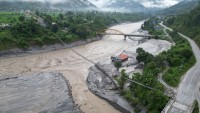
Authorities emphasize that the encroachment of public land, particularly along riverbanks and other high-risk zones, poses significant threats to both public infrastructure and human safety. Seasonal floods in the Kathmandu Valley have repeatedly demonstrated the vulnerability of families living in such areas, often affecting children, elderly citizens, pregnant women, and other at-risk groups.
Successive governments since the democratic transition in 1990 (2047 B.S.) have formed multiple commissions and task forces to address the issue. However, experts and observers note that a comprehensive and reliable database identifying genuine squatters, their population size, and settlement locations has still not been fully established. This gap has been widely criticized as a major weakness in long-term policy implementation.
Urban development analysts argue that the problem has been prolonged due to political interests, where squatter issues have often been linked with electoral dynamics rather than sustainable solutions. At the same time, concerns have been raised over the misuse of public land by individuals who reportedly construct large structures and generate rental income, complicating efforts to distinguish between genuine landless citizens and illegal encroachers.
The Constitution of Nepal guarantees the right to safe and dignified housing, reinforcing the state’s obligation to ensure proper rehabilitation for legitimate displaced communities. Authorities are currently working on initiatives including data collection, identification of affected populations, and relocation or rehabilitation plans.
However, experts stress that enforcement actions alone are not sufficient. Any eviction or relocation process, they say, must be carried out alongside humane rehabilitation measures to ensure that affected families are not further marginalized.
Civil society voices also underline the importance of accountability and transparency. While lawful action against illegal land occupation is necessary, they argue that public pressure should also ensure that vulnerable families receive justice and adequate support.
As Kathmandu continues to expand rapidly, the squatter settlement issue remains a critical test of governance-balancing law enforcement, human dignity, and inclusive urban development.
#Kathmandu #SquatterSettlements #UrbanDevelopment #PublicLand #NepalNews #HousingRights #UrbanPlanning #FloodRisk #HumanRights #EcosphereNews #NepalDevelopment #Governance #SocialIssue