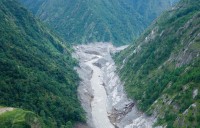
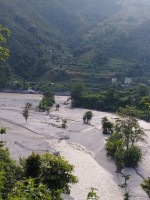
Kathmandu - As Nepal approaches the onset of the monsoon season, concerns over disaster preparedness have resurfaced, even as the government initiates a more proactive strategy to reduce risks associated with floods, landslides, and extreme weather events.
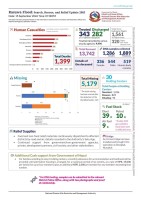
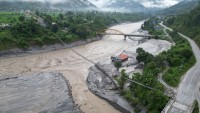
The pre-monsoon period, often marked by above-average rainfall, is nearing its end, with the full monsoon expected within weeks. Historically, the country has faced recurring devastation during this season, with reactive disaster responses dominating the system-often after rivers overflow or landslides cause significant damage.
However, a recent directive from the government signals a shift toward a preparedness-first approach. Authorities have instructed relevant agencies to identify disaster risks and mobilize resources within a strict three-day window. This decision, reinforced by high-level discussions at the Prime Minister’s Office, is being seen as a strategic move toward minimizing damage before disasters occur.
The government has also set a near-term deadline to categorize risks and initiate mitigation projects, aiming to align administrative decisions with real-time meteorological conditions. This marks a departure from past practices, where delayed responses often led to greater human and economic losses.
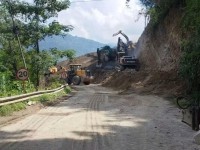
Despite these policy-level improvements, challenges remain deeply rooted in Nepal’s disaster management framework. Experts point out that the issue is not merely a lack of funds, but inefficient distribution and coordination of existing resources. Critical equipment such as helicopters, excavators, and rescue tools are scattered across various ministries without a centralized inventory system.
In response, the National Disaster Risk Reduction and Management Authority (NDRRMA) has been assigned a five-day mandate to compile a comprehensive inventory of available equipment-a step expected to enhance coordination during emergencies.
At the local level, which serves as the first line of response during disasters, preparedness remains weak. Limited access to resources and equipment continues to hinder immediate rescue and relief operations, raising concerns about the effectiveness of response mechanisms in remote and high-risk areas.
Financial management is another area under scrutiny. The government has directed ministries to utilize their existing budgets before requesting additional funds, emphasizing fiscal accountability. However, bureaucratic delays-especially in procurement processes-pose a serious risk. Nepal’s slow procurement system could delay the acquisition of essential items like early warning systems and rescue boats, potentially undermining preparedness efforts.
Adding to the complexity is the growing impact of climate change, which has made weather patterns increasingly unpredictable. This has highlighted the urgent need for stronger cross-border data sharing. Real-time meteorological information from neighboring countries could significantly improve early warning systems and enable timely evacuations, potentially saving lives.
While the government has set ambitious timelines and demonstrated intent, the effectiveness of these measures will depend on swift and coordinated implementation. The coming weeks will be crucial in determining whether Nepal can transition from a reactive to a proactive disaster management model.
As the first monsoon clouds gather, the stakes remain high. Preparedness may be measured in budgets and policies, but ultimately, the cost of failure will be counted in human lives.
#EcosphereNews #MonsoonPreparedness #DisasterManagement #Nepal #ClimateChange #FloodRisk #LandslideRisk #EarlyWarningSystems #NDRRMA #EnvironmentalNews #RiskReduction #SustainableDevelopment