Nepal has entered a historic new political era with the appointment of Balendra Shah as Prime Minister on March 27, 2026. At just 35 years old, Shah becomes the youngest sitting Prime Minister in the world, marking a significant generational shift in the country’s leadership. His rise follows a wave of youth-led political momentum, reflecting growing public demand for reform, accountability, and forward-looking governance.
Shah’s political journey, shaped by his tenure as Mayor of Kathmandu, has been closely associated with urban reform, anti-corruption efforts, and strong civic engagement. His transition from local to national leadership comes at a critical time when Nepal is grappling with complex environmental challenges, economic pressures, and the need for sustainable development pathways. Expectations are high that his leadership style will bring innovation and responsiveness to national governance.
Globally, Shah joins a group of young leaders who have redefined political leadership in recent years, including Paetongtarn Shinawatra and Simon Harris, both of whom assumed office at relatively young ages. Their leadership reflects a broader global trend where younger generations are increasingly stepping into top political roles, bringing fresh perspectives to longstanding governance challenges.
For Nepal, the road ahead under Shah’s leadership presents both opportunity and urgency, particularly in the environmental sector. As one of the countries most vulnerable to climate change, Nepal must accelerate the implementation of its climate commitments, including the Nationally Determined Contributions (NDC 3.0). This will require scaling up renewable energy, strengthening climate adaptation strategies, and ensuring effective use of climate finance.
Urban transformation is expected to be a key focus area, given Shah’s background in city governance. Sustainable urban planning, improved waste management, better air quality, and efficient public transportation systems will be essential to address the growing pressures in cities like Kathmandu. Integrating digital governance and smart city approaches could further enhance transparency and service delivery.
Equally important is the need to harness the energy of Nepal’s youth through the promotion of a green economy. Expanding opportunities in renewable energy, sustainable tourism, and climate-smart agriculture can create jobs while supporting environmental sustainability. Encouraging innovation and entrepreneurship among young people will be vital in driving long-term economic growth.
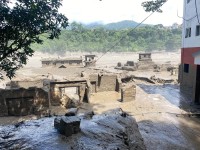
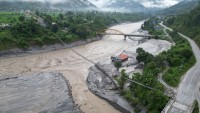
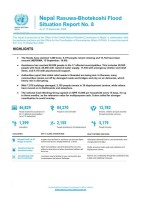
Nepal must also strengthen its disaster risk reduction and resilience systems, as the country remains highly exposed to natural hazards such as floods, landslides, and glacial lake outburst floods. Investments in resilient infrastructure, early warning systems, and community preparedness will be crucial to safeguard lives and livelihoods.
At the international level, Nepal has an opportunity to elevate its role in climate diplomacy under Shah’s leadership. By advocating for the protection of mountain ecosystems and promoting regional cooperation on shared environmental challenges, Nepal can position itself as a key voice for vulnerable countries in global climate discussions.
The appointment of Balendra Shah ultimately represents more than a political transition-it symbolizes a shift in public expectations towards transparent, inclusive, and sustainable governance. Whether this moment leads to lasting transformation will depend on how effectively the new leadership can translate ambition into action.