Kathmandu, Nepal - A new literary work by acclaimed Nepali author Neelam Karki Niharika is drawing attention for its powerful reinterpretation of Nepal’s historical narrative through the voices often left unheard. Her latest novel Rajmata emerges not merely as fiction, but as a layered reflection on history, identity, and the silent contributions of marginalized figures-especially women.
Known for her deep engagement with themes such as gender inequality, social hierarchy, and historical injustice, Niharika’s writings consistently challenge dominant narratives and bring forward alternative perspectives rooted in lived realities.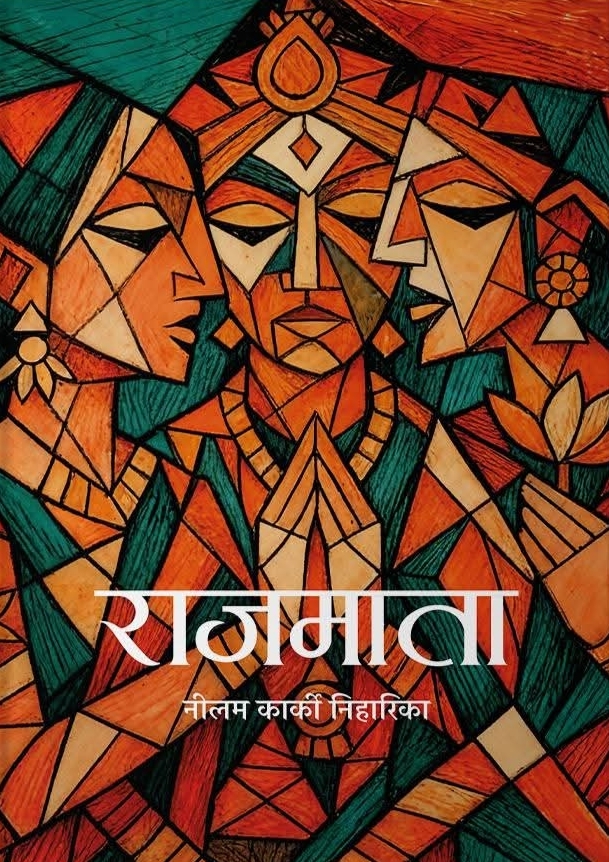
In Rajmata, the author explores the fragmented formation of Nepal’s past-marked by the rise and fall of small kingdoms, power struggles, and dynastic rule. However, beyond the conventional glorification of kings and conquests, the book critically examines how history has largely been documented through a male-dominated lens. While royal achievements were carefully preserved in inscriptions and chronicles, the contributions of women and ordinary individuals often remained confined to the margins.
The narrative reflects how even when women appeared in historical records-through inscriptions, copper plates, or genealogies-their identities were frequently tied to male figures such as husbands or sons. This aligns with Niharika’s broader literary approach, which focuses on portraying the realities and struggles of women within Nepali society.
Importantly, Rajmata goes beyond critique. It reconstructs history as a “garland of stories”-a collection of overlooked, unrecognized, and insufficiently studied lives that hold equal, if not greater, significance. The novel underscores the role of historians and archaeologists in rediscovering buried narratives, yet questions whether all voices have truly been acknowledged in the process.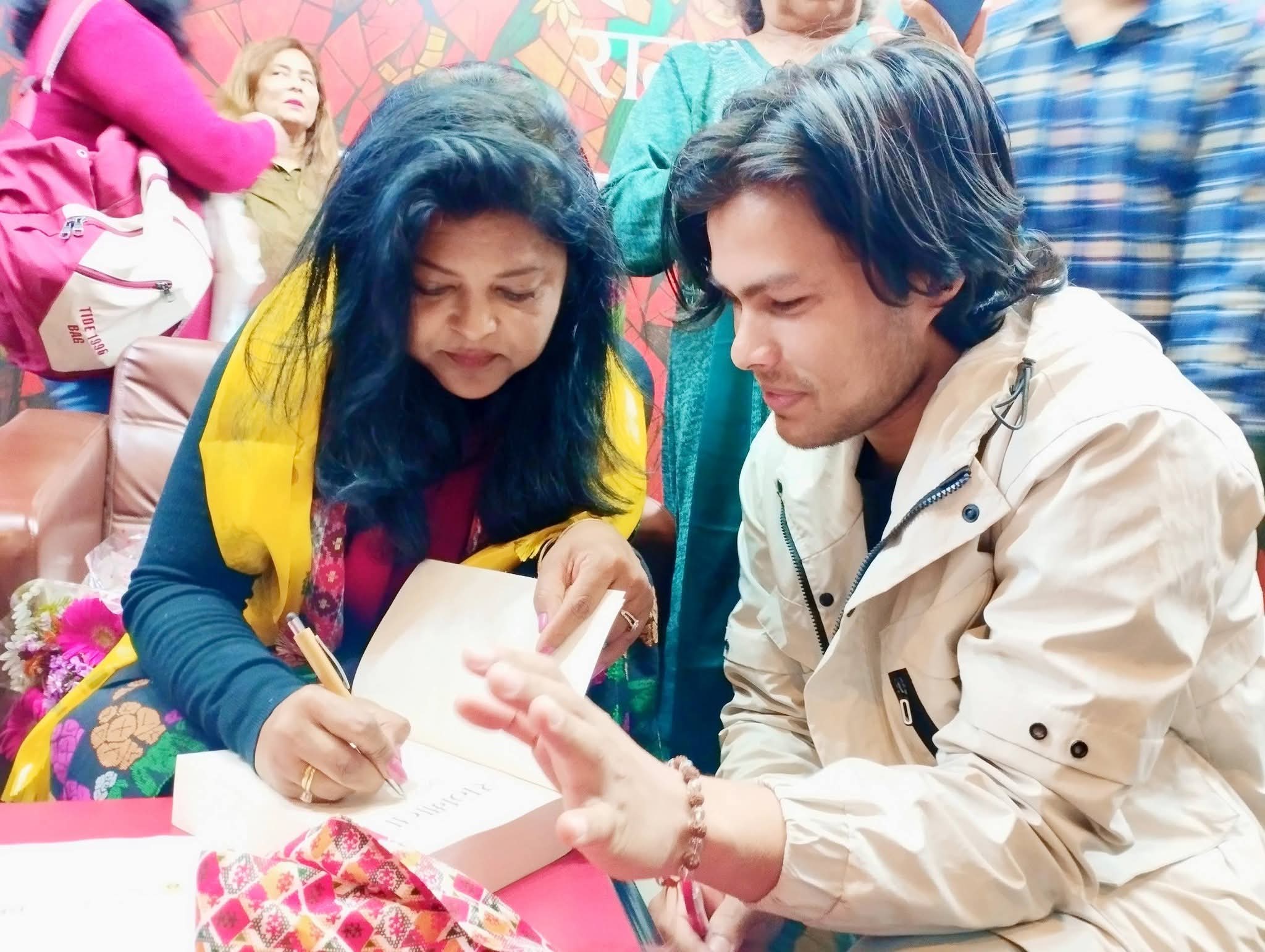
Through this work, Niharika continues her tradition of blending historical depth with social commentary. Her previous works, including the Madan Puraskar-winning Yogmaya, have similarly brought forward strong female protagonists and resistance narratives, contributing to a broader understanding of Nepal’s socio-political history.
Rajmata thus stands as a compelling literary intervention-one that invites readers to rethink history not as a fixed record, but as an evolving narrative shaped by power, memory, and inclusion. In doing so, it resonates strongly with contemporary discussions on representation, identity, and the need to reclaim silenced voices.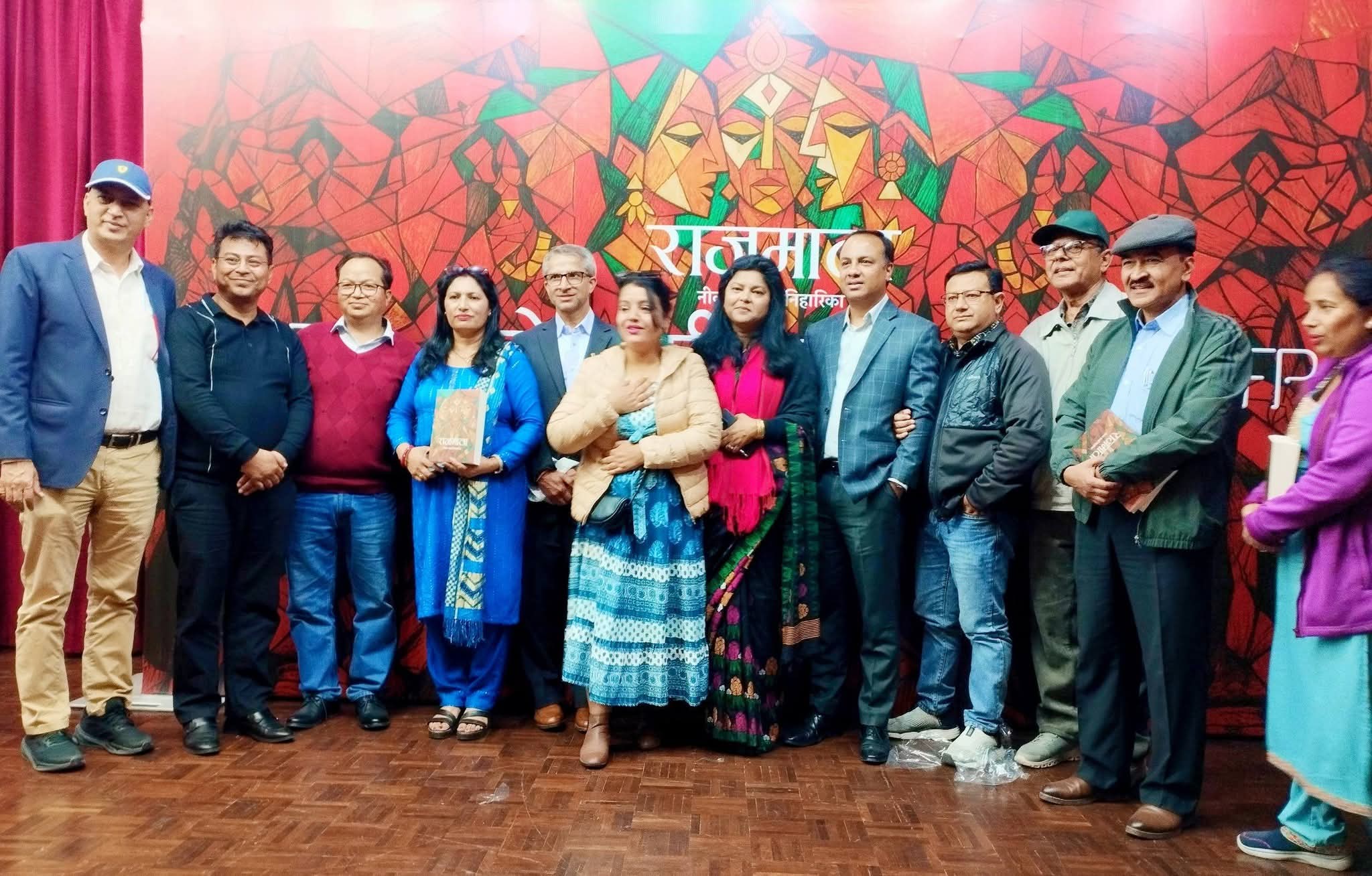
#EcosphereNews #Rajmata #NepaliLiterature #NeelamKarkiNiharika #HistoryReimagined #WomenInHistory #Nepal #LiteraryNews #VoicesUnheard #CulturalNarratives