Kathmandu - Nepal is witnessing a troubling surge in fire incidents across forests and human settlements, raising urgent concerns about the country’s firefighting capacity, disaster preparedness, and public awareness.
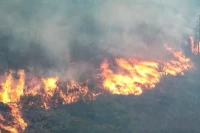
Recent data from the National Disaster Risk Reduction and Management Authority (NDRRMA) reveal that 7,648 disaster incidents were recorded nationwide over the past year. Among them, fire-related incidents dominated, with 3,720 cases reported in both forest areas and residential structures. These incidents have resulted in the loss of 105 lives, injuries to 571 individuals, and direct impacts on 4,260 families, underscoring the growing human and economic toll.
Experts warn that the situation is particularly alarming during the dry season-from mid-March to mid-April-when hundreds of fire cases are reported annually. Forest fires, in particular, have emerged as a major contributor to air pollution, significantly affecting urban centers like Kathmandu, which continues to rank among cities with poor air quality.
Despite the escalating crisis, concerns persist over the government’s preparedness. Observers note that disaster management mechanisms remain under-resourced, especially when it comes to fire prevention and response. Vulnerable communities, particularly in rural and peri-urban areas, are at heightened risk due to limited access to firefighting infrastructure and trained personnel.
Analysis suggests that many fire incidents are preventable. Forest fires are often triggered by negligence, such as improperly discarded cigarette butts, while household fires commonly originate from unattended cooking, electrical short circuits, or unsafe handling of flammable materials. Open burning of agricultural waste has also been identified as a recurring risk factor.
Nepal’s conservation success story-marked by an increase in forest cover from 26 percent to nearly 45 percent-now faces a serious setback as rising fire incidents threaten biodiversity, wildlife habitats, and ecological balance. A recent snapshot highlights the urgency: within just 24 hours between April 10 and April 11, 2026, 19 disaster incidents were recorded nationwide, 16 of which were fire-related.
At the local level, the situation is further compounded by a lack of essential firefighting equipment and skilled human resources. Even in the capital, delays in fire response remain a concern, reflecting systemic gaps in emergency readiness.
Stakeholders emphasize the need for strong, sustainable strategies, including investment in modern firefighting infrastructure, capacity-building at the community level, and widespread awareness campaigns on fire prevention. Strengthening local governments with adequate budgets and training programs is seen as critical to improving response times and minimizing damage.
As fire incidents continue to rise, experts stress that preparedness-not reaction-must become the cornerstone of Nepal’s disaster management approach. Without immediate and coordinated action, the country risks facing increasingly severe environmental degradation and human losses.
#EcosphereNews #FireCrisisNepal #DisasterPreparedness #ClimateRisk #ForestFires #AirPollution #SustainableDevelopment #NepalNews #EnvironmentalProtection #ActNow