Kathmandu / Global Desk - Media organizations in Liberia, Ghana, Cameroon, Vietnam, and Indonesia have been invited to apply for new international media grants aimed at strengthening journalism on forest governance, a sector critical to climate action, biodiversity conservation, and the rights of forest-dependent communities.
Under the initiative, selected media organizations will receive £10,000 (GBP) per project to support reporting that increases public understanding of forest governance policies, challenges, and solutions. The program particularly emphasizes capacity-building for journalists and in-depth coverage that amplifies the voices of marginalized and forest-dependent communities who are often most affected by deforestation, land-use conflicts, and weak governance.
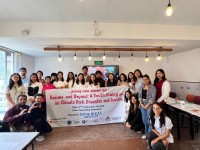
According to the grant call, supported projects may include training workshops for journalists, story grants, development of reporters’ resources, and cross-border or collaborative investigative reporting. The initiative also encourages innovative approaches that can draw the attention of both the public and policymakers to threats facing forests, as well as pathways toward equitable and sustainable forest management.
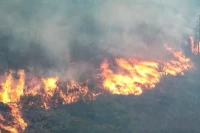
Forest governance remains a pressing issue in many tropical countries, where illegal logging, weak enforcement, competing land uses, and climate pressures continue to threaten forest ecosystems and livelihoods. By strengthening independent media coverage, the program aims to improve transparency, accountability, and informed decision-making in the forest sector.
Eligible media organizations must be based in or primarily working in Liberia, Ghana, Cameroon, Vietnam, or Indonesia. The application deadline is February 26, and interested applicants are encouraged to review the full guidelines before submitting proposals.
The initiative reflects growing recognition of the role of environmental journalism in addressing global challenges such as climate change, biodiversity loss, and social justice, particularly in regions where forests play a central ecological and economic role.