Kathmandu, July 29 (Ecosphere News) - A national consultation workshop was held in Kathmandu to discuss the Draft Thematic Report on the Situation of Water and Sanitation in Nepal, bringing together government officials, development partners, technical experts, academics, civil society organisations, and media representatives.
The consultation was organised by the National Statistics Office (NSO) with the support of UN-Habitat Nepal and aimed to review the draft report, validate its key findings, and gather stakeholder feedback for further refinement before final publication.
The programme began with registration and breakfast, followed by an opening and chairing session led by Dr. Kamal Prasad Pokhrel, Chief Statistician of the National Statistics Office. Senior officials participating in the inaugural session included Deputy Chief Statisticians Dr. H.R. Regmi, Dr. Sharad K. Sharma, Mr. Dhundi Raj Lamichhane, and Ms. Pragya Pradhan, alongside representatives from ministries, government departments, academia, I/NGOs, CWISAN, UN-Habitat, and media organisations.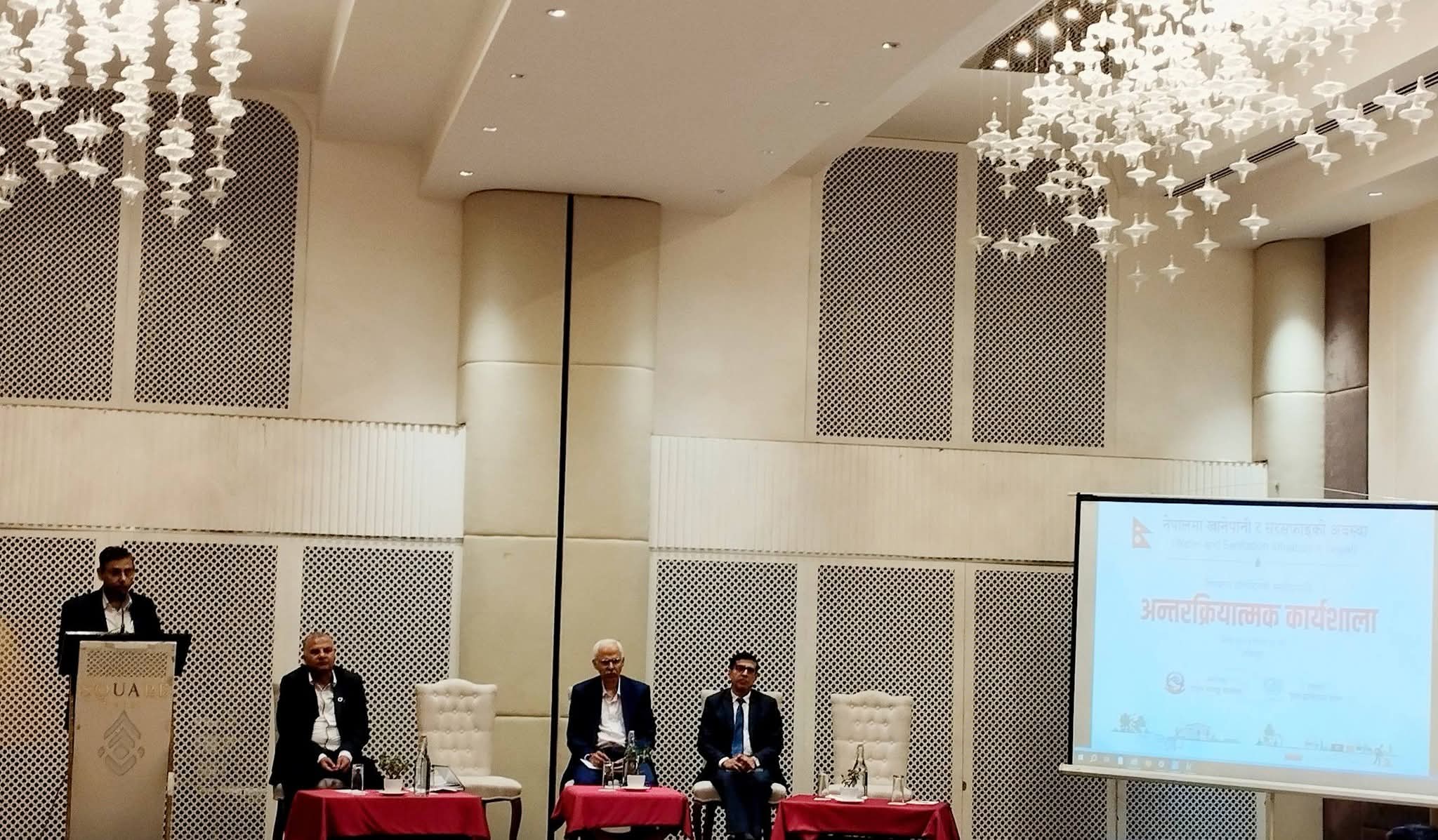
Technical Presentations Review Draft Findings
The workshop featured two major technical presentations focusing on the structure and findings of the thematic report.
The first presentation, delivered by Analyst Mr. K.K. Gautam, covered the content, coverage, methodology, data sources, limitations, and preliminary findings of the report. The session provided participants with an overview of the analytical framework used to assess Nepal’s water and sanitation situation.
The second presentation, delivered by Lead Analyst Mr. N.L. Shrestha, focused on the Drinking Water Equity Index, Sanitation Equity Index, and WASH Index, while also discussing the strengths, limitations, conclusions, and recommendations emerging from the study.
Participants engaged in an extensive technical discussion and feedback session, sharing observations on water service coverage, sanitation equity, data reliability, and the need for stronger evidence-based policy interventions.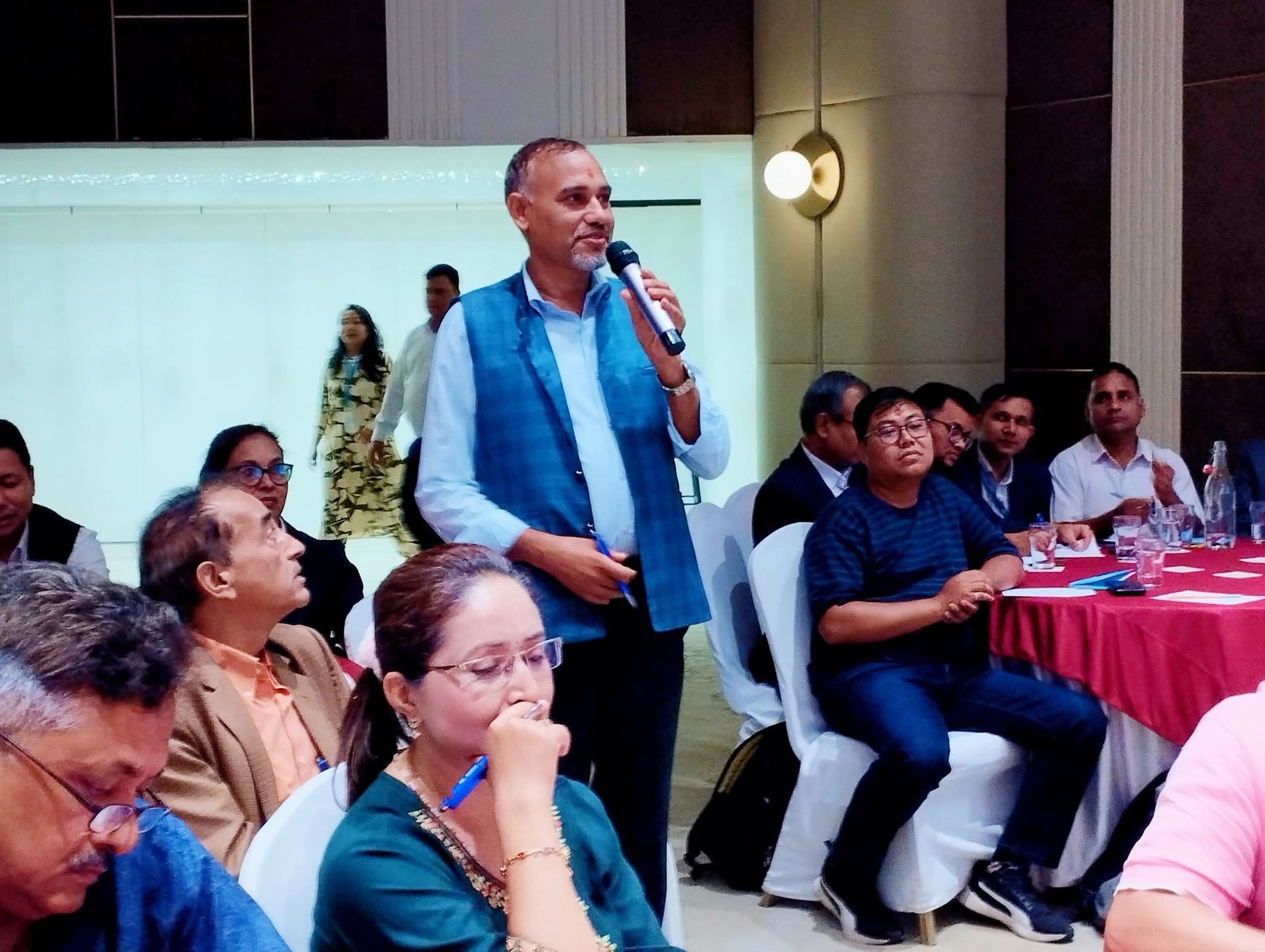
Major Findings Reveal Persistent Safety Gaps
Discussions during the consultation highlighted that Nepal has made exceptional progress in expanding baseline access to water and sanitation services, but serious challenges remain in ensuring water safety, infrastructure functionality, and climate resilience.
According to the draft report:
- Around 95-96% of the population has access to basic drinking water services.
- However, only about 16% of the population uses a safely managed drinking water service that is available when needed and free from contamination.
- Up to 71% of tested water sources were found positive for E. coli bacteria, with contamination reaching 91% among sources used by the poorest communities.
- In the Terai region, groundwater arsenic contamination remains a significant public health concern.
- Nepal has successfully achieved open defecation free status, and approximately 62% of households use improved sanitation facilities, though safe wastewater treatment and disposal systems remain limited.
- Only about 64% of households have a reliable handwashing facility equipped with both soap and clean water.
These findings indicate that while basic access coverage appears strong, the proportion of the population receiving safe, reliable, and sustainably managed WASH services remains considerably lower.
Equity and Evidence-Based Planning Emphasised
The consultation placed particular emphasis on equity in drinking water and sanitation services, recognising that national averages can mask substantial disparities among provinces, rural and urban communities, and vulnerable populations.
Experts noted that strengthening statistical systems, water quality monitoring, and WASH-related data collection is essential for supporting Nepal’s commitments to the Sustainable Development Goals (SDGs), especially SDG 6: Clean Water and Sanitation.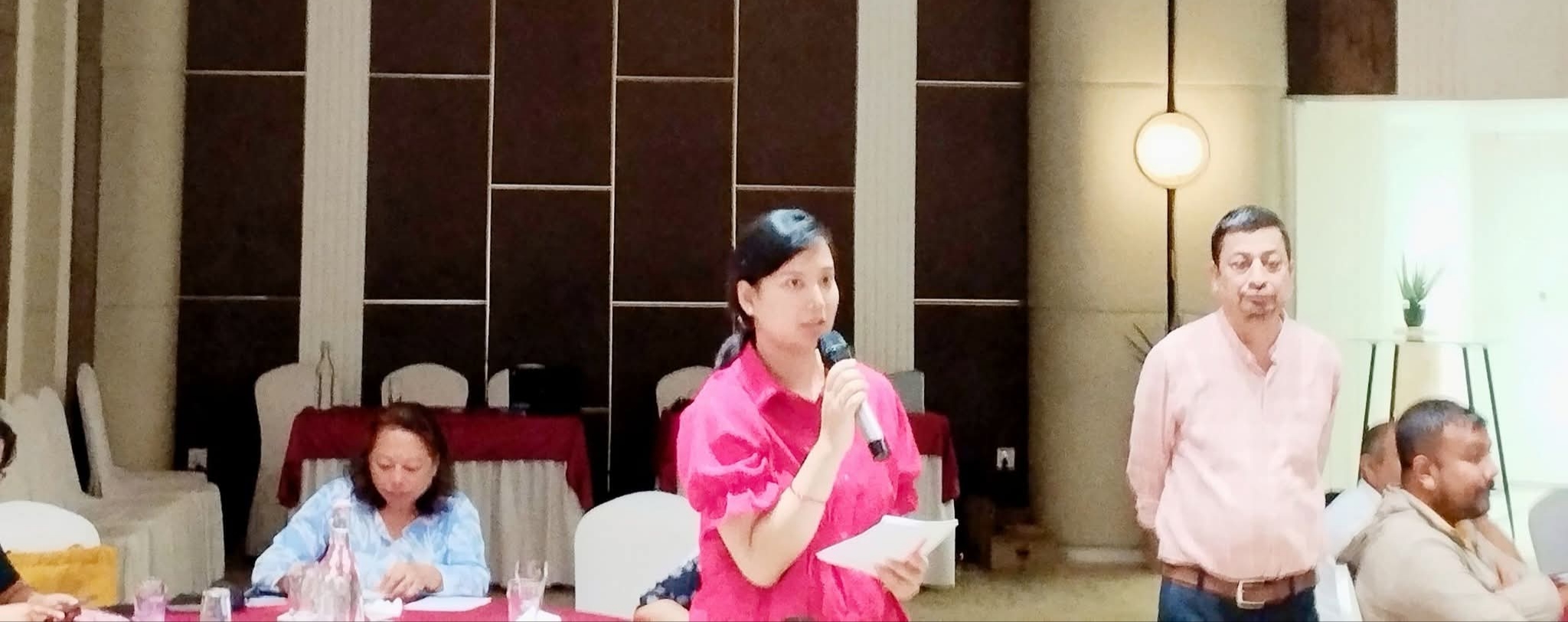
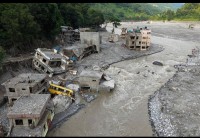
Participants also stressed the importance of integrating climate resilience into water and sanitation planning, as floods, landslides, droughts, drying water sources, and increasingly unpredictable monsoon patterns continue to affect service delivery across the country.
Collaboration for Stronger Water Governance
The closing session featured remarks from Ms. Pragya Pradhan, Head of Office of the UN-Habitat Country Office, who underscored the importance of collaboration between government institutions, development partners, researchers, and technical experts in producing a credible and actionable thematic report.
The workshop concluded with closing remarks by Chair Dr. Kamal Prasad Pokhrel, followed by a lunch and networking session. Stakeholders expressed confidence that the feedback collected during the consultation would help strengthen the final report and contribute to more inclusive, data-driven, equitable, and climate-resilient water and sanitation policies in Nepal.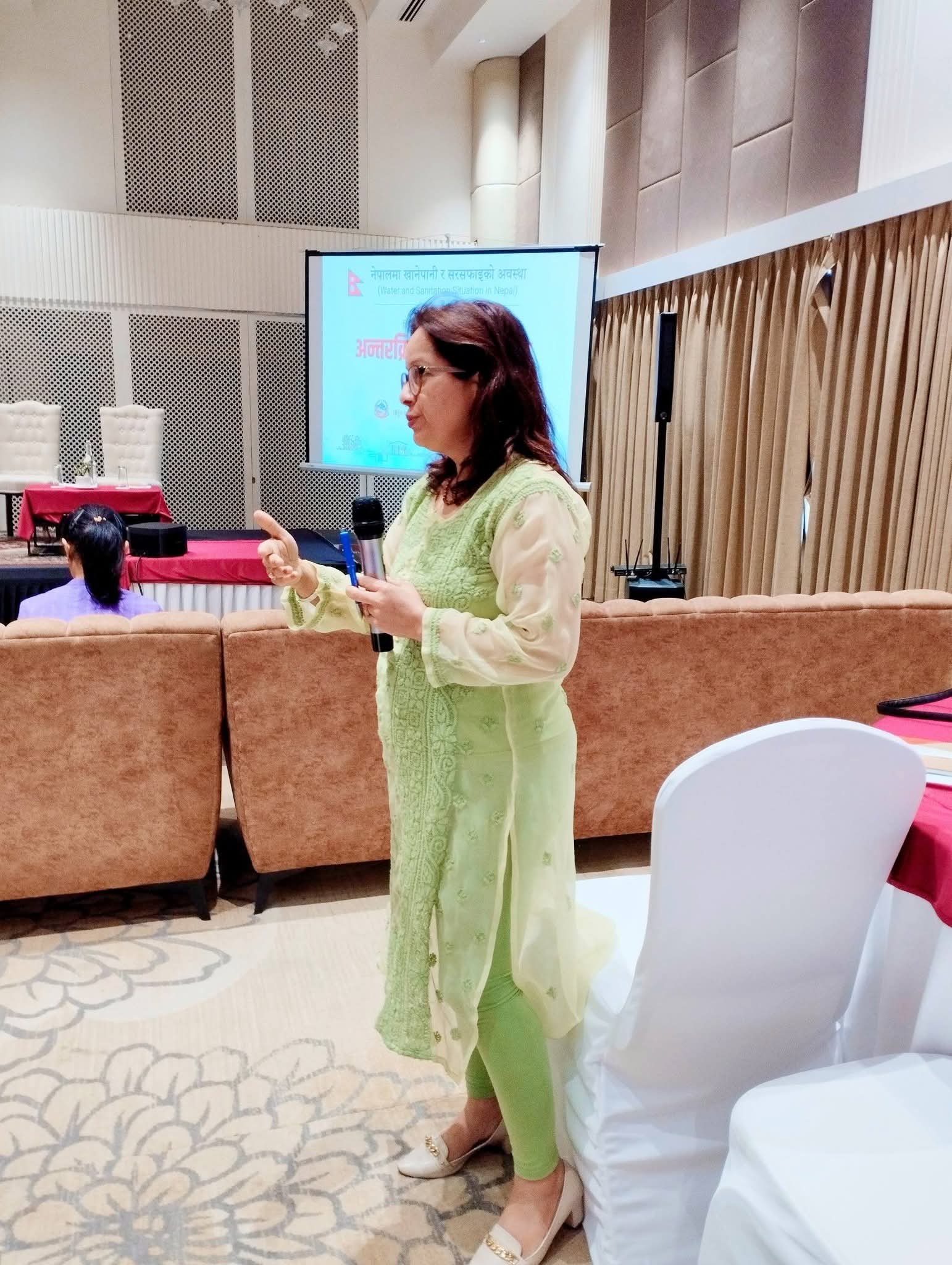
#EcosphereNews #Nepal #WaterAndSanitation #WASH #UNHabitat #NationalStatisticsOffice #DrinkingWater #Sanitation #WaterEquity #SDG6 #ClimateResilience #PublicHealth #SustainableDevelopment #NepalDevelopment #EvidenceBasedPolicy #WaterSafety #EColi #ArsenicContamination #SanitationEquity #WASHData #ResilientNepal