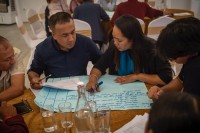
Kathmandu, Nepal - Gharpajhong Rural Municipality in Mustang is preparing to host a national climate change conference in Jomsom on September 15-16, 2026, bringing together local government representatives and stakeholders to highlight the escalating impacts of climate change on Nepal’s Himalayan communities.
The conference is expected to bring together chiefs and deputy chiefs from local governments across Nepal’s 753 local levels, with the objective of developing a common position and strengthening collective advocacy on climate change at provincial, federal and international levels.
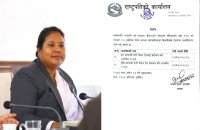
Gharpajhong Rural Municipality Chairperson Mohan Singh Lalchan said the conference will send a strong message that federal, provincial and local governments must give greater priority to climate change in their policies, programmes and budgets.
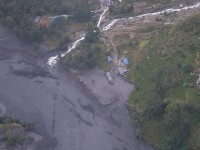
Mustang has already experienced significant direct and indirect impacts of a changing climate, including floods, landslides, changing water availability and growing pressure on agriculture and livestock farming.
“The negligence of developed countries has affected Himalayan villages. The time has come to raise a collective voice rather than speaking individually,” Lalchan said.
Gharpajhong Rural Municipality Chief Administrative Officer Bhim Kumar Basnet said climate change is disrupting the natural balance of the Himalayas. Glacier melt and the expansion and increasing instability of glacial lakes are raising concerns over glacial lake outburst floods (GLOFs), while changes in water sources are affecting drinking water and irrigation.
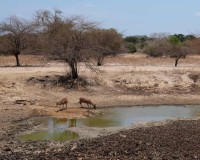
Changes in Himalayan ecosystems are also being observed, including shifts in the habitats of plants and animals. Climate-related disruptions are increasingly affecting agriculture, livestock farming and tourism, while excessive rainfall has heightened flood and landslide risks and water shortages have contributed to migration.
The conference was postponed last year following Gen Z protests and unrest, during which local government offices were vandalised and the homes of some elected representatives were attacked.
For the 2026/27 fiscal year, Gharpajhong Rural Municipality has allocated Rs. four million for the conference through its annual policies and programmes. The four local governments of Mustang have allocated a combined Rs. 1.2 million, while partnerships with government and non-government organisations are expected to bring the estimated total cost to approximately Rs. 16.9 million.
To secure financial and technical assistance, Gharpajhong Rural Municipality Chairperson Mohan Singh Lalchan and Chief Administrative Officer Bhim Kumar Basnet are currently in Kathmandu, working on preparations and seeking support from the federal government and development partners, including ICIMOD, WWF Nepal and United Nations agencies.
Ecosphere News to Amplify the Himalayan Climate Voice
Ecosphere News will also be part of this important climate conversation, with a strong commitment to documenting and communicating the concerns raised by Himalayan communities to audiences in Nepal and around the world.
As an environmental and development-focused news platform, Ecosphere News intends to use its global reach to bring the realities of Mustang and other vulnerable Himalayan communities to international attention. The objective is not only to report what happens at the conference, but also to ensure that the voices, experiences and demands of communities living on the front lines of climate change are heard beyond Nepal's borders.
Ecosphere News will seek to highlight the growing gap between those who are most vulnerable to climate impacts and those whose historical and current emissions have contributed disproportionately to global warming. Through responsible journalism, evidence-based reporting and international storytelling, the platform aims to help generate greater public awareness and moral pressure on major polluting countries and institutions to accelerate emissions reductions, climate finance, adaptation support and loss-and-damage action.
The Himalayan region is already witnessing consequences that extend far beyond the mountains themselves. Glacier and snow changes, unstable glacial lakes, water insecurity, extreme rainfall, landslides and changing ecosystems pose risks not only to mountain communities but also to downstream populations and ecosystems across South Asia.
The Jomsom conference therefore represents more than a local or national gathering. It provides an opportunity to connect the voices of Himalayan communities with the global climate debate and to demand greater accountability, solidarity and action.
Ecosphere News believes that communities that have contributed comparatively little to global greenhouse gas emissions should not be left to bear the greatest consequences of a warming planet. The platform will work to ensure that the concerns emerging from Jomsom reach policymakers, climate institutions, international organisations, journalists and citizens around the world.
The conference is expected to focus attention on climate adaptation, disaster risk reduction, water security, biodiversity conservation, resilient livelihoods and stronger climate policies. Its broader message is clear: the Himalayan climate crisis is not only a mountain issue-it is a global responsibility.
#EcosphereNews #ClimateChange #ClimateJustice #Mustang #Jomsom #Himalayas #ClimateAction #Nepal #GlobalWarming #ClimateCrisis #ClimateAccountability #ClimateAdaptation #GLOF #GlacialLakes #MountainCommunities #LossAndDamage #ClimateFinance #EnvironmentalJournalism #ClimateJusticeNow #ActOnClimate