Kathmandu, September 7, 2026 - Search and rescue operations are continuing across Nepal as authorities and international rescue teams race against time to locate survivors of the catastrophic flash floods that swept through the Bhotekoshi-Trishuli river basin on August 26 following an ice and rock collapse in the Himalayan region.
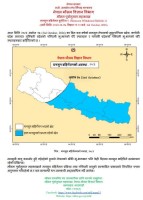
The disaster has devastated communities particularly in Rasuwa, Nuwakot and Dhading, while the destruction has also affected parts of Gorkha and Tanahun. Nepal’s Health Emergency Operation Centre confirms that the flood followed an ice and rock avalanche and temporary damming of the Lhende Khola north of the Nepal-China border.
The scale of the tragedy continues to emerge. Recent international reports put the death toll in Nepal at more than 1,300, while nearly 5,000 people remain missing or unaccounted for. On the Chinese side of the border, authorities have confirmed 43 deaths, with hundreds still missing.
Among those missing are hydropower workers, local residents and foreign nationals. India has separately reported that 275 Indian nationals remain missing, while 166 have been rescued.
Hope in the Hydropower Tunnels
Some of the most challenging rescue operations are taking place inside flooded and debris-filled hydropower tunnels.
Rescue teams from Nepal, India, China, South Korea and other countries are supporting the search for workers believed to be trapped at several hydropower projects. Earlier reports indicated that hundreds of workers remained unaccounted for, with particularly difficult conditions inside tunnels blocked by mud, rocks and flood debris.
Despite the extraordinary difficulties, several rescues have provided moments of hope.
A Chinese worker, Lu Haitao, was rescued alive after spending around 10 days trapped approximately 225 metres inside a tunnel at the Upper Trishuli-1 hydropower project. Two Nepali workers were also rescued from a nearby tunnel.
In another remarkable rescue, 64-year-old Chandrika Kumari Shrestha was found alive beneath mud and debris in her collapsed home in Betrawati, Nuwakot, more than a week after the disaster. Rescuers reportedly heard her cries before manually clearing the debris and reaching her.
These rescues have strengthened hopes that other survivors may still be found in isolated air pockets and protected spaces beneath the debris.
A Region Cut Off From Essential Services
The disaster has also caused unprecedented destruction to critical infrastructure.
More than 40 bridges have been destroyed, while roads, electricity networks, telecommunications systems, health facilities and water infrastructure have suffered extensive damage. The collapse of the Friendship Bridge and other border infrastructure has severely disrupted movement between Nepal and China.
Nepal's initial damage assessments have already reached hundreds of billions of rupees. A Reuters report citing Nepal's disaster authorities estimated total losses at approximately Rs 387.5 billion, covering property, housing and infrastructure.
The destruction has made rescue operations exceptionally difficult. Thick layers of mud and debris, unstable slopes, difficult Himalayan terrain, changing river conditions and damaged communications are slowing access to affected communities.
Humanitarian Needs Growing
While the search for missing people continues, the emergency is rapidly becoming a humanitarian crisis.
UNICEF reports that thousands of children and families have been left without adequate access to safe drinking water, sanitation and essential services. At least 22,000 children urgently require water, sanitation and hygiene support, while damaged water systems and crowded temporary shelters are increasing concerns about waterborne and infectious diseases.
On September 4, an emergency flight carrying 84 metric tonnes of humanitarian supplies, supported by the European Union and UNICEF, arrived in Kathmandu for distribution to flood-affected communities.
For families still waiting for news of loved ones, however, the crisis remains deeply personal. Every rescue brings renewed hope, while every recovered body brings another painful confirmation of the disaster's human cost.
Nepal now faces the enormous task of conducting search and rescue while simultaneously restoring roads, bridges, electricity, communications, health services, drinking water and livelihoods.
The August 26 disaster has become a stark reminder of the growing risks facing communities living in the rapidly changing Himalayan environment. As rescue teams continue searching through the debris, the country is already confronting the equally difficult challenge of rebuilding communities and infrastructure while preparing for future climate- and mountain-related disasters.
Ecosphere News will continue to monitor developments and provide verified updates as official figures and rescue information are released.
#NepalFloods #NepalDisaster #RasuwaFlood #BhotekoshiFlood #TrishuliFlood #Nuwakot #Dhading #HimalayanDisaster #GlacierCollapse #FlashFlood #SearchAndRescue #Nepal #ClimateChange #Himalayas #DisasterResponse #HumanitarianCrisis #UNICEF #Hydropower #EcosphereNews