Kathmandu, Nepal - Amadablam Mini Hydro Limited has successfully concluded its Third Annual General Meeting (AGM), reaffirming its role as a vital clean energy provider in Nepal’s high Himalayan region.
The company is operating the Amadablam Mini Hydropower Project, located in Khumbu Pasanglhamu Rural Municipality-4, Solukhumbu, at an altitude of approximately 4,424 metres above sea level-placing it among the highest hydropower projects in the world. Harnessing water from Cholunche Khola, a glacier-fed river originating from the Nare Glacier, the project reflects Nepal’s growing capacity to develop renewable energy even in extreme and remote geographies.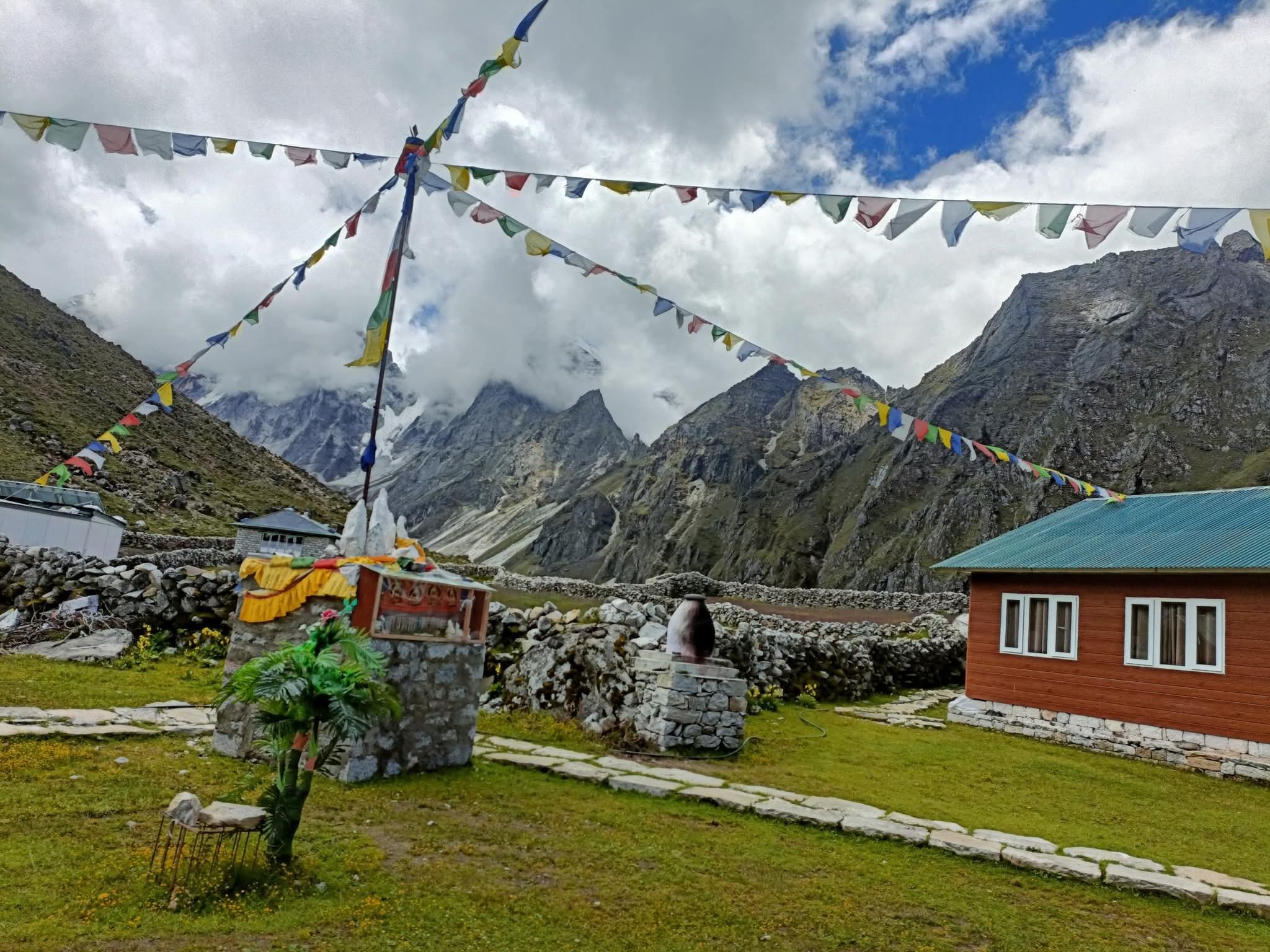
The project has an installed capacity of 911 kilowatts, generated through two turbines of 485 kW each, with a combined mechanical capacity of 970 kW. With a gross head of 471.87 metres and a design discharge of 0.25 cubic metres per second at Q80%, the plant produces an estimated 6.38 gigawatt-hours of electricity annually.
Beyond technical achievements, the project has delivered tangible socio-economic benefits to the region. It currently supplies reliable and clean electricity to more than 20 remote Himalayan villages, significantly reducing dependence on diesel generators and traditional biomass, while improving living standards, education, healthcare services, and local businesses in the Everest region.
The development of the Amadablam Mini Hydropower Project has been supported by the Government of Nepal and the World Bank, highlighting the importance of international cooperation in advancing climate-resilient infrastructure in least-accessible regions. The project aligns closely with Nepal’s national goals of expanding renewable energy access, promoting inclusive development, and strengthening climate adaptation in mountain communities.
During the AGM, stakeholders reviewed the company’s operational performance, discussed future strategies, and reiterated their commitment to sustainable energy development tailored to fragile Himalayan ecosystems. The meeting underscored that small and mini hydropower projects, when carefully designed, can play a transformative role in powering remote settlements while safeguarding environmental integrity.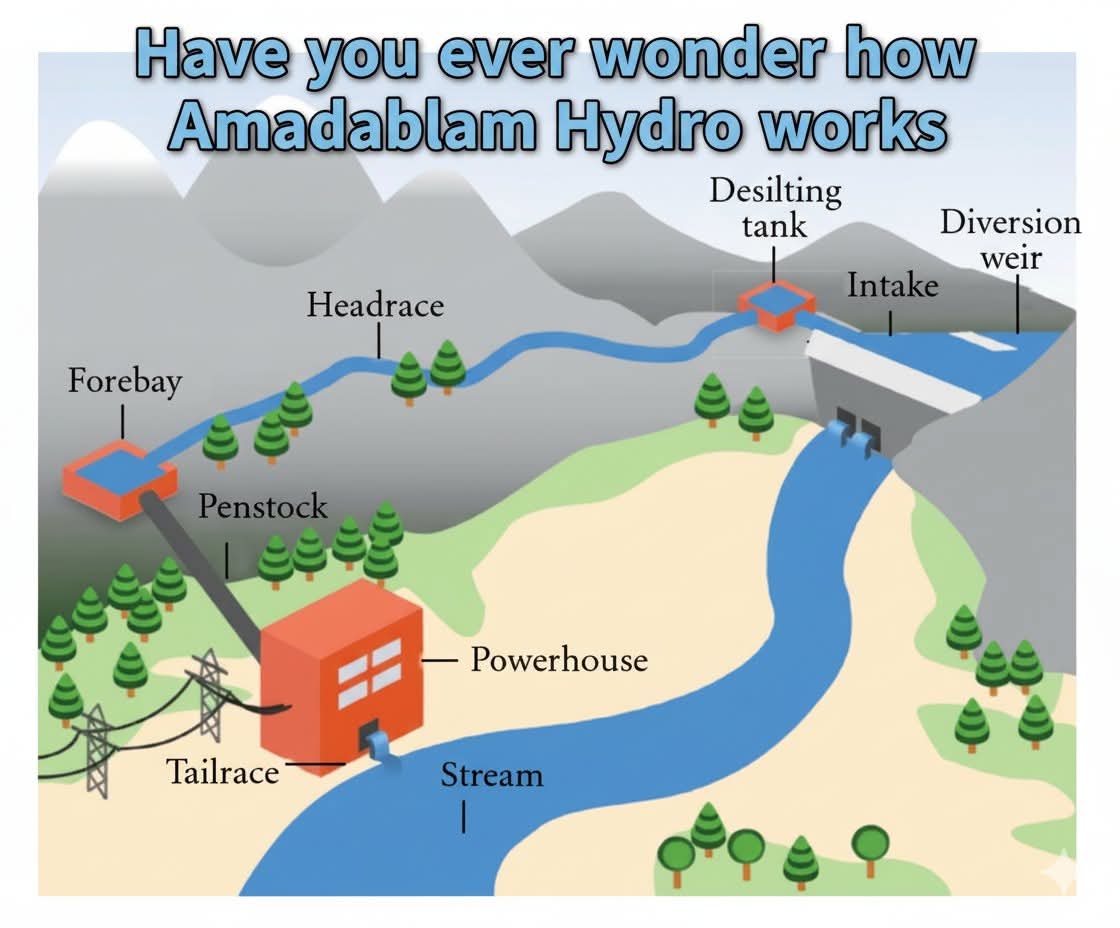
As climate change continues to threaten glaciers and water systems across the Himalayas, initiatives like the Amadablam Mini Hydropower Project stand as practical examples of how clean energy can contribute to climate resilience, energy security, and sustainable development in Nepal’s most vulnerable regions.