Kathmandu - Nepal has made gradual progress in improving food and nutrition security over the years, yet serious challenges persist, particularly in child nutrition, according to discussions held at the 2025 Global Hunger Index (GHI) national launch event in Kathmandu.
The event, jointly associated with Welthungerhilfe and LI-BIRD’s “Chautari” platform, brought together government officials, policy-makers, academicians, civil society representatives, development partners, and market actors. Their collective presence underscored the urgency of addressing hunger not merely as a humanitarian issue, but as a structural development challenge linked with climate change, inequality, and governance.
Mixed Picture for Nepal in GHI 2025
Analyses presented during the event highlighted that while improvements in food availability, health services, and poverty reduction have contributed to better overall food security indicators, child stunting and nutritional inequality remain alarmingly high. Vulnerable groups-including rural communities, women, children, and climate-affected households-continue to face disproportionate risks.
Despite economic and agricultural advancements, recurring climate shocks, rising food prices, limited market access, and unequal distribution systems are eroding gains, causing hunger indicators in Nepal to show renewed stress in 2025.
Key Policy Recommendations
The event concluded with a set of critical, forward-looking recommendations aimed at ensuring sustainable food and nutrition security in Nepal:
Strengthening multi-sector coordination among agriculture, health, education, climate, and social protection sectors
Investing in climate-resilient and indigenous food systems to protect livelihoods under increasing climate risks
Enhancing data-driven planning and improving farmers’ access to fair and inclusive markets
Promoting nutrition-sensitive agriculture rather than focusing solely on production growth
Ensuring gender equality, recognizing the central role of women in food systems
Advancing the Right to Food as a fundamental human right through stronger policy and legal frameworks
Beyond Numbers: A Call for Structural Change
Speakers emphasized that hunger in Nepal cannot be solved through short-term interventions alone. Long-term solutions require inclusive governance, climate adaptation, evidence-based policymaking, and accountability mechanisms that place nutrition and human dignity at the center of development planning.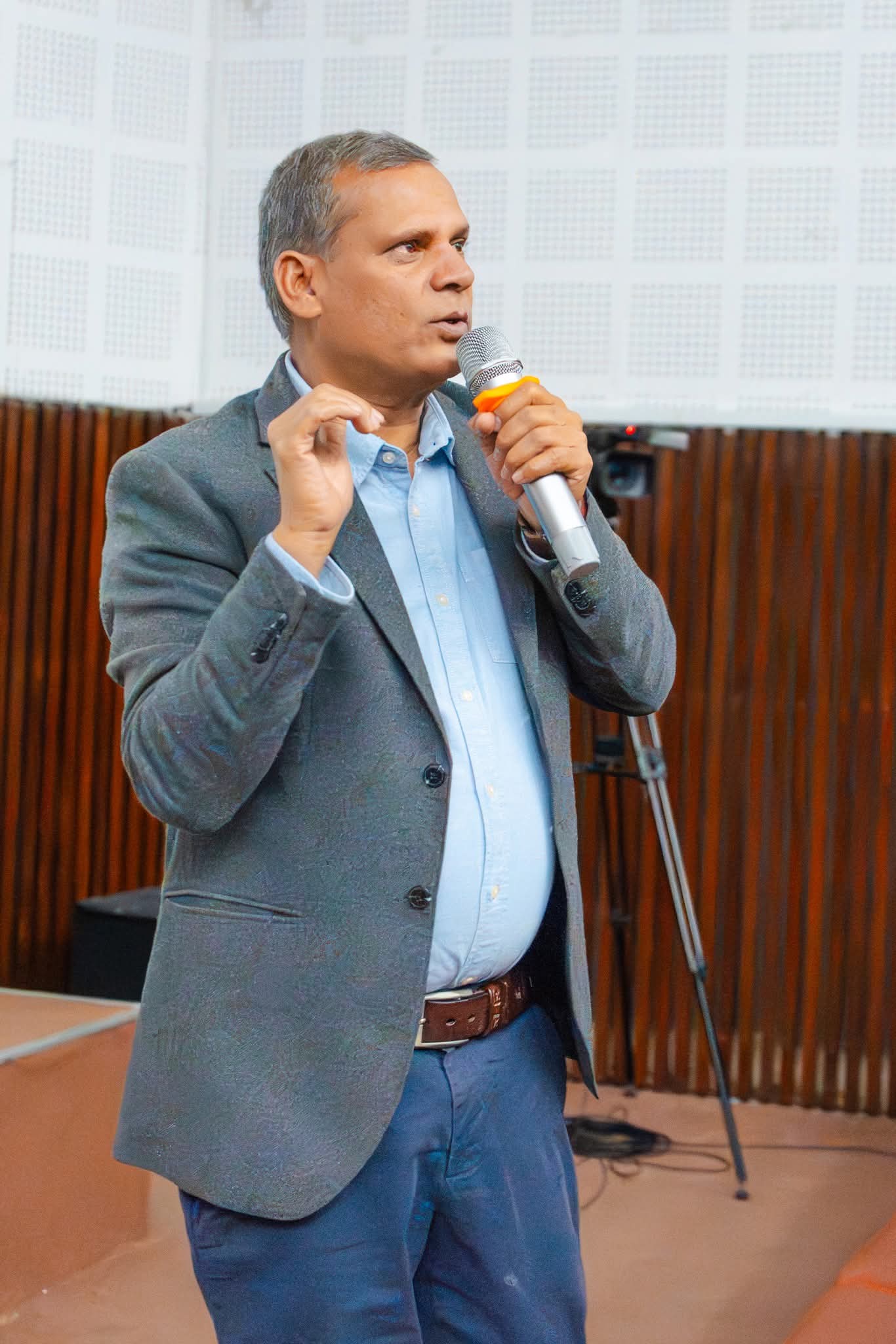
The GHI 2025 launch served as a reminder that progress must be protected and accelerated. Without coordinated action and sustained political commitment, existing inequalities risk deepening, threatening Nepal’s pathway toward achieving national nutrition goals and the Sustainable Development Goals.