Kathmandu, December 9, 2025
As the global community accelerates efforts to achieve the Sustainable Development Goals (SDGs) by 2030, corruption continues to stand out as one of the most serious obstacles undermining progress, according to development stakeholders including the United Nations Development Programme (UNDP).
Corruption directly diverts public resources away from critical sectors such as health, education, climate action, and poverty reduction. Funds meant to improve lives are often misused, delaying development outcomes and widening inequalities—particularly in developing and vulnerable countries.
Beyond financial losses, corruption weakens governance systems and public institutions. When accountability mechanisms fail and decision-making lacks transparency, institutions struggle to function effectively. This erosion of institutional capacity directly affects service delivery, environmental protection, and inclusive growth, making it significantly harder to advance SDG targets.
Perhaps most damaging is the loss of public trust. Corruption undermines citizens’ confidence in governments, development partners, and public institutions. Without trust, community participation declines, policy implementation becomes difficult, and collective action for sustainable development weakens.
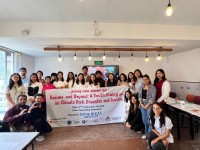
Recognizing these challenges, UNDP has reaffirmed its commitment to standing #UnitedAgainstCorruption. The agency emphasizes the importance of engaging youth, embracing innovation, and strengthening systems to prevent corruption from blocking opportunities and undermining development progress.
Youth participation is being highlighted as a critical force for change, bringing new ideas, energy, and technological solutions to promote transparency and accountability. At the same time, innovation—especially digital tools and data-driven governance—is seen as a key enabler in detecting corruption risks and improving public service delivery.
Strengthening institutions through legal reforms, transparent processes, and inclusive governance remains central to ensuring that anti-corruption efforts translate into tangible development results.
As the 2030 deadline approaches, development experts stress that combating corruption is not a standalone goal, but a cross-cutting necessity. Without effective action against corruption, achieving the SDGs-particularly those related to poverty reduction, climate resilience, and social justice-will remain an uphill battle.
Ecosphere News continues to highlight governance and accountability issues that shape sustainable development pathways in Nepal and beyond.