Kathmandu, June 22, 2026 - A new international study has found that the world’s highest-consuming 10 percent of people are responsible for environmental damage worth between US$1.7 trillion and US$5.7 trillion annually, raising fresh concerns about the unequal impact of global consumption patterns on climate change, biodiversity loss, and natural resources.
The research, conducted by scientists from the University of Oxford and Leiden University and published in the journal Communications Sustainability, estimates that the environmental costs generated by affluent consumers exceed the combined global funding gaps for climate action and biodiversity conservation.
According to the study, biodiversity loss accounts for the largest share of the damage, followed by climate change, freshwater depletion, and nutrient pollution. Researchers identified high levels of energy use, frequent air travel, resource-intensive lifestyles, and diets rich in meat as key contributors to the environmental footprint of the world’s wealthiest consumers.
The findings indicate that the environmental costs associated with the highest-consuming groups are concentrated largely in developed economies, particularly in North America and Europe. However, the study also notes a growing environmental impact among affluent populations in emerging economies as incomes and consumption levels rise.
Researchers argue that the scale of environmental damage highlights the need for stronger policies targeting excessive consumption, including incentives for sustainable lifestyles and measures that ensure those with the largest environmental footprints contribute more toward environmental restoration and climate action.
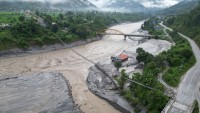
The study has renewed discussions around climate justice, a concept emphasizing that those who contribute least to environmental degradation often bear the greatest consequences. Developing countries, including Nepal, face increasing risks from climate change despite contributing relatively little to global greenhouse gas emissions. These risks include erratic weather patterns, glacial melting, floods, landslides, and threats to food security.
Environmental experts say the findings underscore the importance of sustainable consumption, responsible investment, and equitable climate policies as the international community seeks to address interconnected challenges of environmental degradation, biodiversity loss, and global inequality.
#Environment #ClimateChange #BiodiversityLoss #Sustainability #ClimateJustice #GlobalInequality #EnvironmentalDamage #GreenEconomy #SustainableDevelopment #NatureConservation #EcosphereNews #Nepal #GlobalEnvironment #ClimateAction #EnvironmentalNews