(On image School Nurse Ms. Sharmila Khadka with her students from Tribhuvan Janata Secondary School in Musikot, Khalanga)
Kathmandu, August 6, 2026 - Nepal’s School Health Nurse Program, popularly known as the “One School One Nurse” initiative, is emerging as a significant effort to strengthen preventive health care and student well-being in community and public schools across the country.
Implemented under the Nursing and Social Security Division of the Ministry of Health and Population, and expanded in coordination with provincial and local governments, the program has now reached nearly 1,400 schools nationwide. The initiative aims to ensure that students have access to basic health services within the school environment, helping improve attendance, reduce preventable illnesses, and promote healthier learning conditions.
Key Services Provided by School Nurses
Under the program, certified registered nurses are deployed directly to schools to provide a range of essential services:
Primary care and first aid for minor injuries, headaches, fever, and abdominal pain.
Health screening and nutritional assessments to identify common health problems among students.
Adolescent counseling services, including sexual and reproductive health education.
Menstrual hygiene management support, including the distribution of free sanitary products in many participating schools.
Hygiene and sanitation education focusing on handwashing, safe drinking water, and clean school environments.
Awareness programs on communicable diseases, non-communicable diseases, mental health, and healthy nutrition practices.
Education and health officials say that immediate access to first-aid services within schools has helped reduce unnecessary absenteeism and prevented minor health issues from becoming more serious.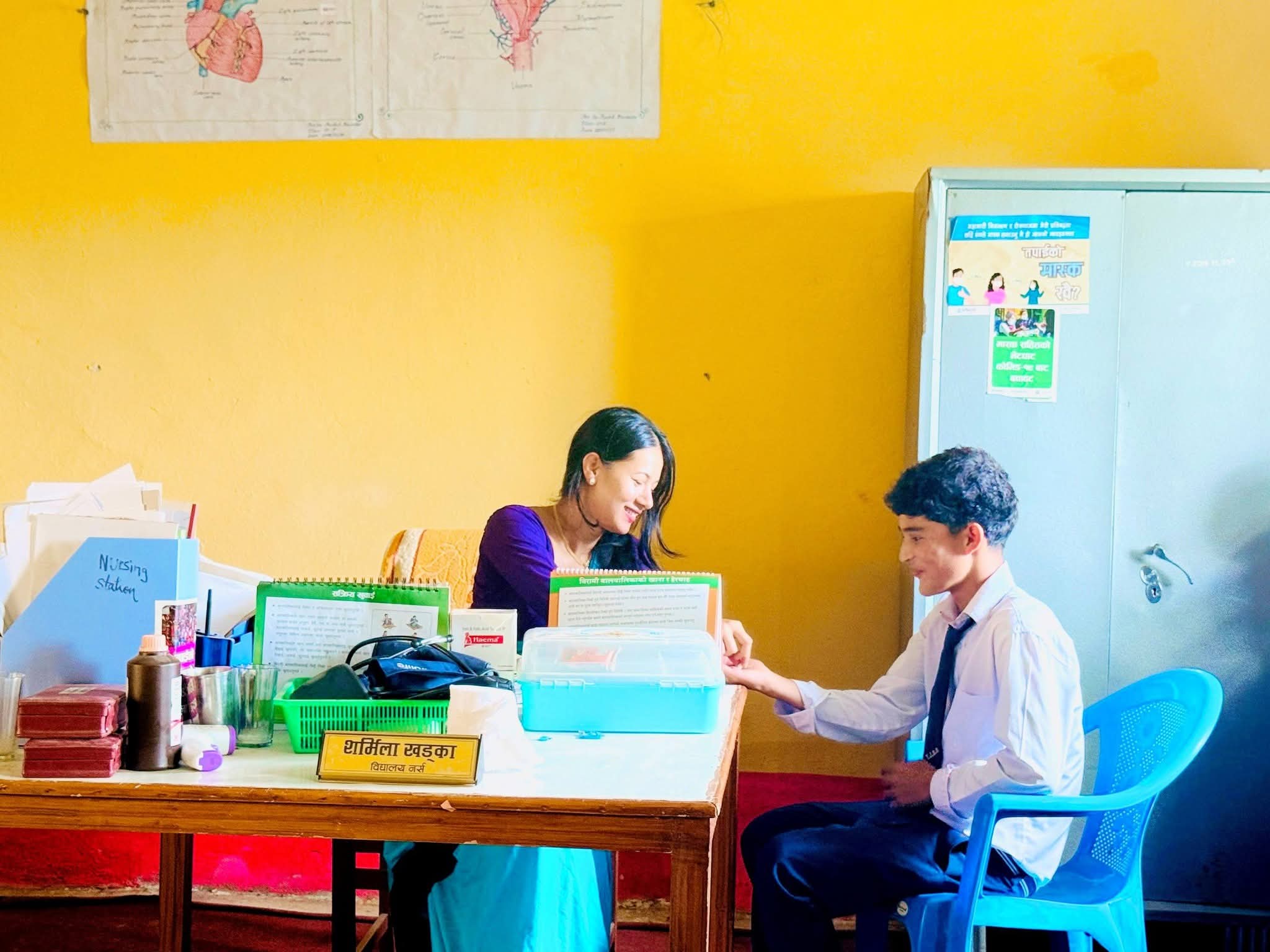
Updated Directives Introduced
The government has recently updated the program through the School Health Nurse Program Directives 2081 (2024/25). The revised guidelines introduce new concepts such as:
Student “Health Ambassadors” to promote peer-to-peer health awareness.
Criteria for designating “Health Promotion-Friendly Schools” that meet standards related to sanitation, nutrition, health education, and student participation.
These measures are intended to make school health promotion more sustainable and community-oriented rather than relying solely on nursing staff.
Staffing Standards
According to the implementation guidelines, the standard arrangement is one dedicated nurse for each participating school. Schools with more than 1,000 students may recruit additional nursing personnel to ensure adequate health service coverage.
Public health experts have welcomed the initiative as an important step toward integrating health and education systems, particularly in rural and underserved areas where access to regular medical services can be limited. They emphasize that school-based nursing services can contribute not only to better physical health outcomes but also to improved learning performance and psychosocial well-being among children and adolescents.
As Nepal continues to strengthen its school health framework, the “One School One Nurse” program is increasingly being viewed as a practical model for promoting preventive health care, early detection of health problems, and healthier school environments for the country’s growing student population.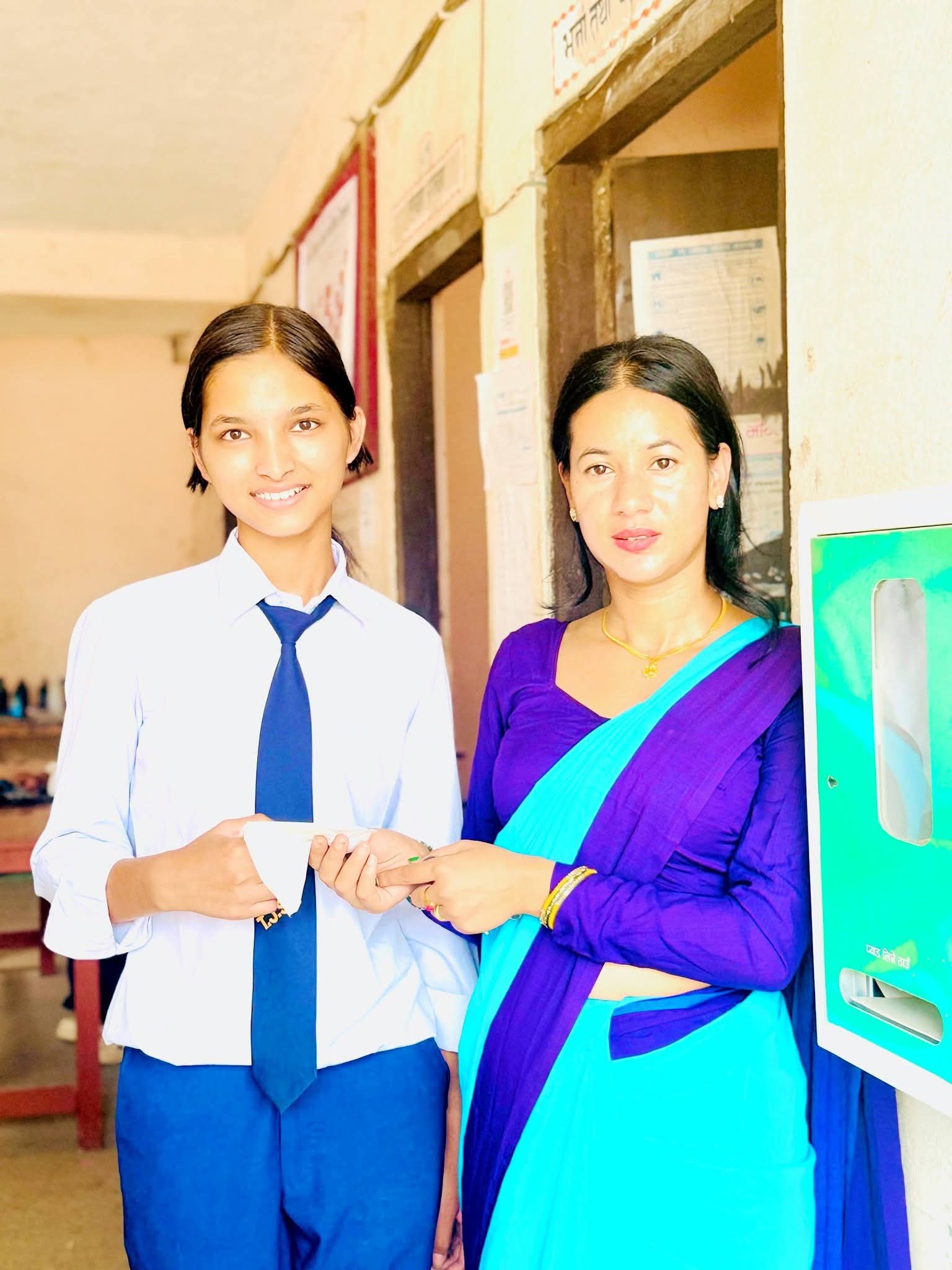
#EcosphereNews #OneSchoolOneNurse #SchoolHealthNepal #PublicHealth #HealthEducation #StudentWellbeing #MenstrualHygiene #SchoolNurse #NepalHealth #HealthySchools #PreventiveHealthcare #AdolescentHealth #MentalHealthAwareness #HealthPromotion #EducationAndHealth #SustainableDevelopment #CommunityHealth #NepalEducation #ChildHealth #SchoolHealthProgram